Key Takeaways
- Before any Florida contractor starts work, verify their license through the state DBPR license search and confirm it is active and matches the company you are hiring.
- Ask for certificates of insurance: general liability, and workers' compensation for any employees. An uninsured worker injured on your property can become your financial problem.
- Get at least three written, itemized bids for the same scope of work, and compare materials, timelines, and payment schedules, not just the bottom-line price.
- Require a signed contract that covers the scope, schedule, payment terms, permits, warranty, and how change orders will be handled before any money changes hands.
- Never pay the full amount up front, avoid cash-only deals, and watch for any contractor who pressures you to skip permits or work without one.
How do you hire a contractor in Florida without getting burned? You verify the license, confirm the insurance, compare written bids, sign a complete contract, and make sure the permits are pulled. This checklist walks through every step in order, so you can hire with confidence whether the project is a new roof, a kitchen update, or an inspection-triggered repair.
I'm Rhonda Townsend, a REALTOR® with United Realty Group serving Wellington, West Palm Beach, Lake Clarke Shores, and surrounding communities. I see the results of contractor choices on both sides of the transaction: great work that adds value, and unpermitted or poorly done work that complicates closings. This guide is the same advice I give sellers preparing a home and buyers planning their first projects.
Why Does Hiring a Contractor in Florida Matter?
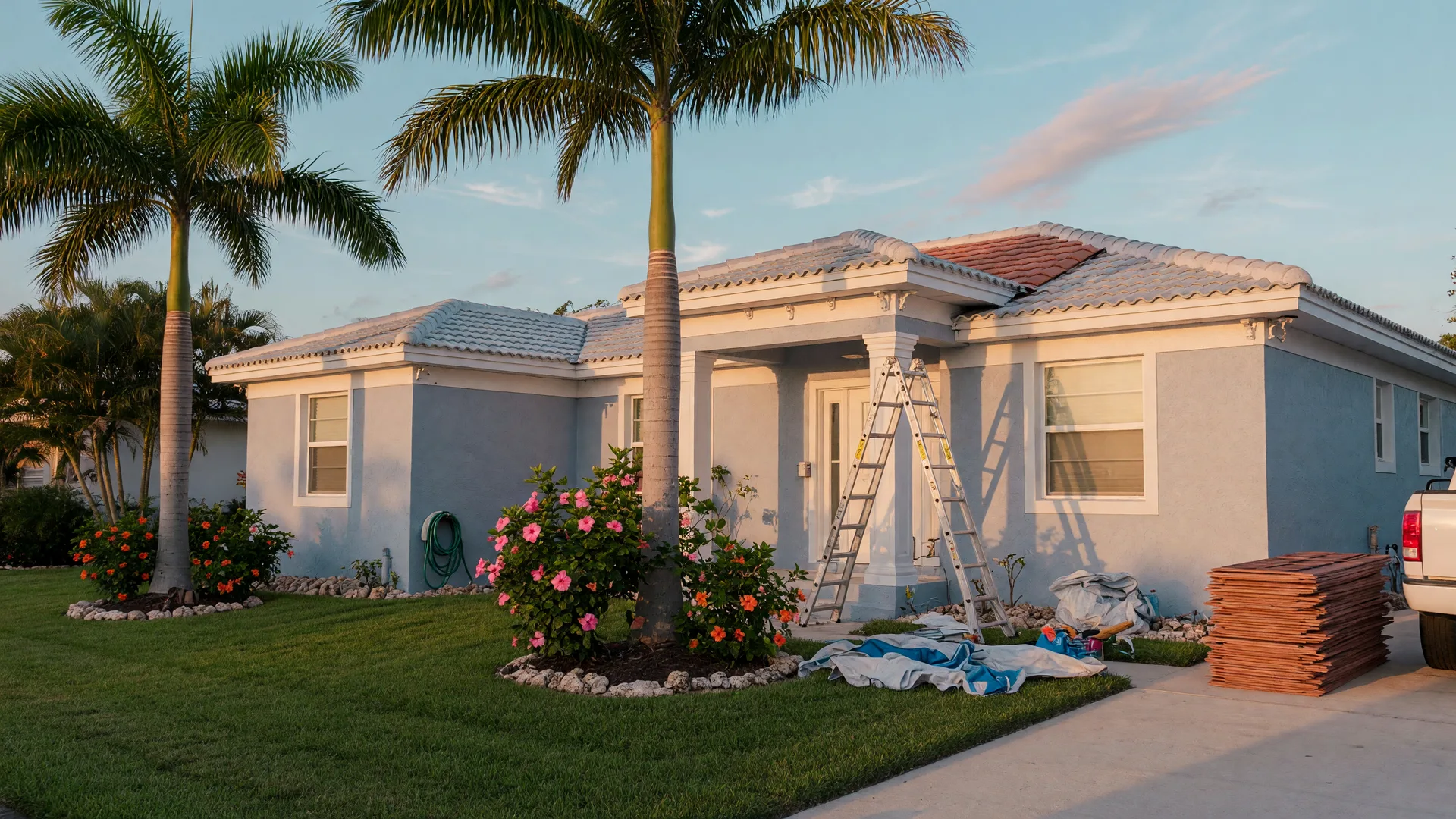
Florida's coastal climate is hard on homes. Roofs, windows, siding, and seawalls all face sun, salt, wind, and rain, which means repairs and replacements are common and expensive. A good contractor is worth every dollar of their fee, and a bad one can cost you far more than the project itself once you factor in rework, unpermitted work, liens, or insurance problems.
The stakes go beyond the job site. When you sell, buyers and their agents review permits, and lenders and appraisers take unpermitted work seriously. A project done right, with permits and inspections, protects your home's value. A project done off the books can surface at the worst possible moment, which is exactly why vetting matters before day one. My article on unpermitted renovations explains what that looks like at sale time.
How Do You Verify a Florida Contractor License?
The single most reliable step is looking the contractor up in the official state license search run by the Florida Department of Business and Professional Regulation at MyFloridaLicense.com. Search by name or license number and check three things: the license is active, the classification matches the work (general contractor, building contractor, residential contractor, and the specialty trades each have their own), and the name on the license matches the company you are speaking with.
The license record also shows enforcement history. Disciplinary actions and unresolved complaints are public information, and a history of them is a clear reason to move on. Keep a record of the license number and the search results; you may want them again if there is a dispute.
Small point that surprises people: a county business tax receipt is not a contractor's license. Local registration proves the business is registered, but it does not qualify a person to do construction. In Florida, the state license is the credential that matters for permitted work.
What Insurance Should a Contractor Carry?
At a minimum, a professional contractor carries general liability insurance and, if they have employees, workers' compensation coverage. Florida requires workers' compensation for many construction employers, but the details depend on the number of employees and business structure, so the practical move is to ask for proof rather than guess.
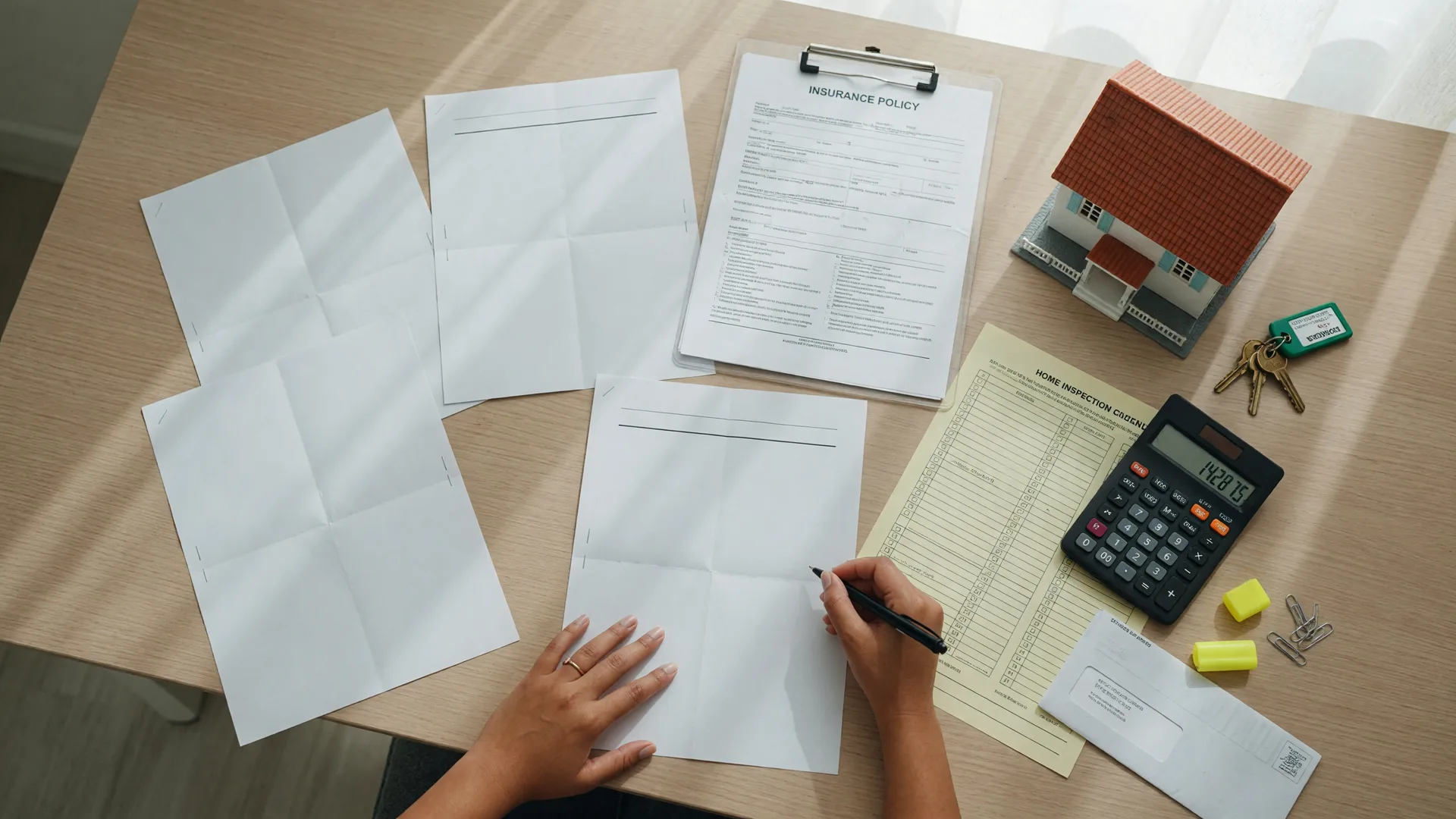
Request a certificate of insurance from the contractor before work starts, verify the policy is current, and confirm the coverage is for the company doing your job. If you can, ask to be listed as an additional insured for the project. This protects you twice: if a worker is injured on your property, and if the contractor's work damages your home or a neighbor's.
How Do You Compare Written Bids Fairly?
Get at least three written bids for the same scope of work. The important word is same: describe the project in writing yourself, down to materials, quantities, finishes, and cleanup, and give every contractor the identical description. That is the only way their numbers are comparable.
When the bids arrive, compare them line by line rather than by the bottom line. One bid may be lower because it assumes cheaper materials, a shorter warranty, or no permit fees. Ask each contractor to explain their price, timeline, and payment schedule, and run the list past someone you trust if the gap between bids is large. The cheapest bid is not automatically the best, and the most expensive is not automatically the safest. It is the substance under each number that matters.
What Should the Written Contract Include?
Never start work without a signed written contract. A complete agreement covers the scope of work in detail, the materials and brands, the start and completion dates, the total price and a payment schedule tied to completed milestones, who is responsible for permits and inspections, a warranty on workmanship, and a process for change orders when the work changes mid-project.
Payment terms deserve special attention. Reasonable projects generally involve a down payment and progress payments tied to milestones, not a large share paid up front. Walk away from anyone who demands a big percentage before work begins or insists on cash-only payment. A change order process matters too: make sure any addition to the scope during the job is agreed in writing before the extra work starts, so there are no surprises in the final bill.
What about warranties and cleanup?
Two contract details get overlooked more than they should. The first is the warranty: what is guaranteed, for how long, and who to call if something fails after the job is done. A typical contractor warranty covers workmanship for a stated period, separate from any manufacturer warranties on materials, and both should be in writing. The second is cleanup: who removes debris, protects your floors and landscaping during the job, and leaves the site safe at the end of each day. Putting cleanup expectations in the contract prevents the awkward conversation that otherwise happens on the last day of the project.
If you are comparing a renovation against selling and moving instead, my article on renovate or move can help you weigh the two paths with real numbers on the table.
What Are the Biggest Red Flags?
Certain patterns should end the conversation immediately. A contractor who cannot produce a license number, pressures you to skip permits, asks for cash only, demands full payment up front, has no website or verifiable address, or suddenly doubles the price once the project starts is showing you exactly how the rest of the job will go.
Door-to-door pitches after a storm deserve particular caution. Some storm-chasing operations appear after hurricanes and other weather events, offer quick repairs, take a deposit, and disappear. Florida has rules designed to limit that kind of behavior, but your best defense is your own checklist: verify the state license, confirm the insurance, get everything in writing, and be slow to hand over money.
Before you sign anything, ask for references from recent projects within the last year or two, ideally ones similar in size and type to yours, and actually call them. Ask what the project was, whether it stayed on schedule and on budget, whether the crew cleaned up, and whether any warranty issues came up later and how they were handled. Then ask to see the contractor's recent work in person if possible; nothing replaces laying eyes on a finished job. A contractor who is proud of their record will happily connect you with past clients. One who cannot or will not is telling you something useful.
Who Pulls the Permits, and What About Liens?
For structural, electrical, plumbing, roofing, and other significant work, the contractor should pull the required permits from the local building department and schedule the inspections. Palm Beach County and the cities within it each have their own permitting processes, and the county's website is the starting point for understanding what applies to your address. Insist that permit status is explicit in the contract. You can verify open permits yourself through the local building department, and many home inspectors and agents check them before closing.
Florida's construction lien law is the other piece to plan for. Contractors, subcontractors, and material suppliers can record a lien against your property if they are not paid, even when you paid the general contractor in full. For larger jobs, contractors commonly record a Notice of Commencement in the public records. As you make progress payments, ask for lien waivers from the contractor and, for larger jobs, from their subcontractors and suppliers, so you can be confident every dollar reached the people who earned it.
Homeowners in fast-growing communities like West Palm Beach deal with contractors constantly, and the same due diligence applies whether you bought last week or are preparing to sell. If you are doing work before selling, my guide to selling your home in Palm Beach County explains how completed, permitted projects can help your listing, and if the work is happening right after a purchase, the buyer's guide covers what new owners tackle first.
Hiring the right contractor is one of those decisions that quietly shapes the next decade of your life in the home. Take the extra week to check the license, read the insurance certificates, compare the bids, and read the contract slowly. If you are making the call as part of a larger real estate decision, selling or buying, I would be glad to help you think through how the work fits your plans. Reach out any time.
Planning a Home Project or a Move?
Whether you are preparing your current home for sale, fixing things after a purchase, or comparing renovation versus moving, I can help you see the real estate side clearly: what work adds value, what permits buyers check, and what your home is worth as it is today. Reach me at (561) 236-9772 or message me through the contact page.
Rhonda Townsend, REALTOR® · A.I. Certified Agent™ · United Realty Group
(561) 236-9772 ·
rtownsendrealestate@gmail.com
Frequently Asked Questions
Sources
Sources referenced in this article:
- • Florida Department of Business and Professional Regulation — Official DBPR license search and licensing information for Florida contractors
- • Florida Legislature — Florida Statutes, including contractor licensing and construction lien law
- • Palm Beach County Government — Official county website with local permitting and building information
Disclaimer: This article is provided for general educational and real estate information only. It is not legal, tax, financial, insurance, environmental, engineering, or property-inspection advice. Real estate requirements, costs, risks, policies, and market conditions vary by property and may change. Consult qualified professionals regarding your individual circumstances.