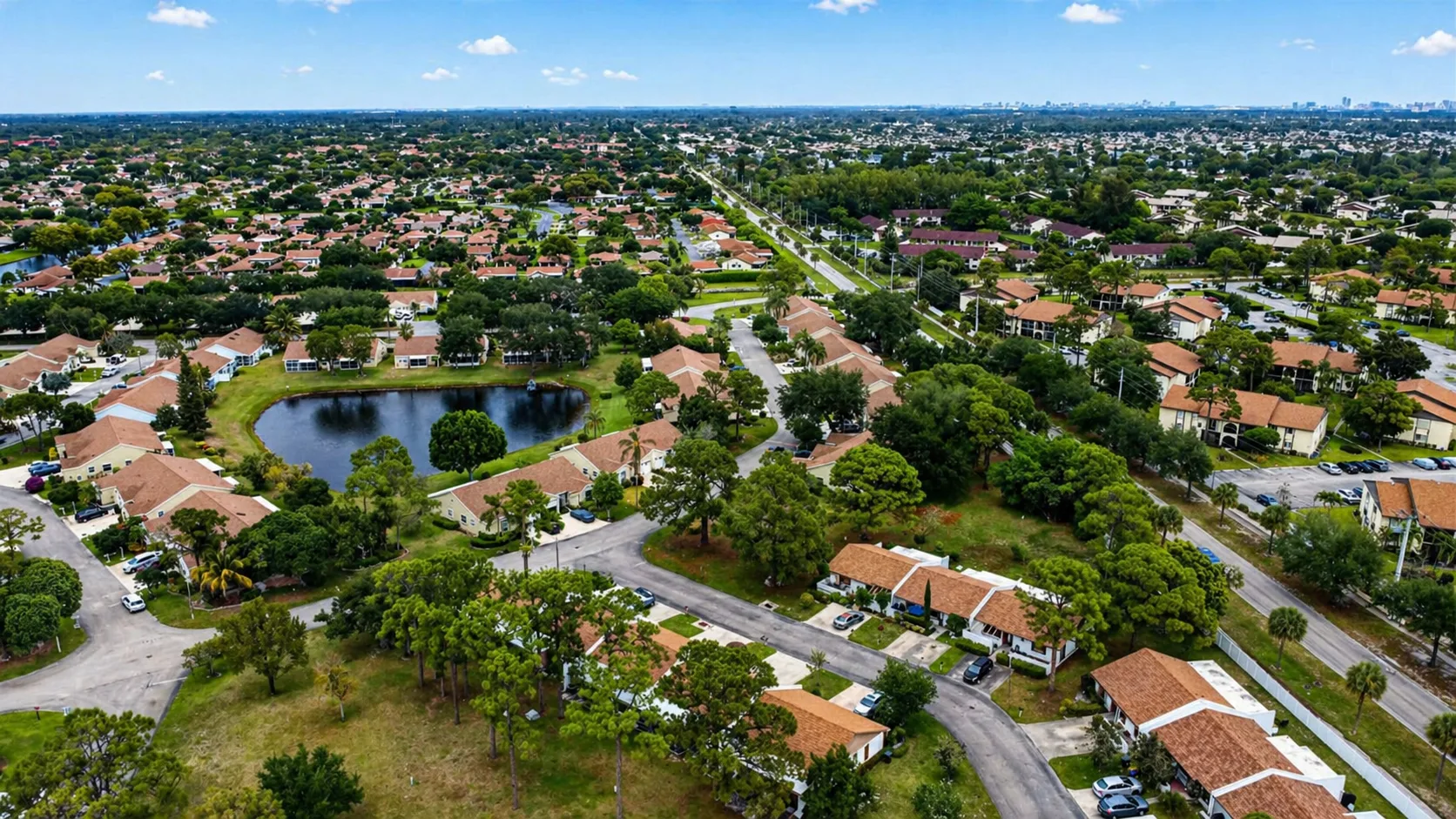
Cost of Living Guide
Cost of Living in Palm Beach County
Planning a move to Palm Beach County? This guide gives you a general, no-nonsense picture of what drives everyday costs here, housing, taxes, insurance, utilities, groceries, and transportation, so you can budget with your eyes open. Questions about a specific community? Call me at (561) 236-9772 or email rtownsendrealestate@gmail.com.
What Drives the Cost of Living Here
Palm Beach County is a large, diverse county, and that means the cost of living depends heavily on where you land and how you live. In general, the county runs above the U.S. average overall, and two costs do most of the work: housing and homeowners insurance. Groceries, utilities, and transportation, by contrast, tend to sit closer to national norms.
There is also a real tradeoff worth understanding: Florida has no state income tax, which helps many households, while property taxes and insurance costs run higher than in much of the country. The sections below break down each piece so you can build a realistic monthly budget for your family, not a one-size-fits-all estimate.
This guide is meant to educate, not to quote prices. Figures move with the market, so treat every number here as a general range and verify current costs with lenders, insurance agents, utility providers, and the county property appraiser before making decisions.
Get the Palm Beach County Cost of Living Guide
Download the full cost of living breakdown for Palm Beach County, including housing, utilities, groceries, transportation, and more. Enter your details below and the printable PDF unlocks instantly.
Your Guide Is Ready
Thanks! Your Palm Beach County Cost of Living Guide is unlocked below. I'll be in touch if you have any questions as you plan your move. Talk to you later.
Download the Cost of Living Guide (PDF)Did the download not start? Tap here to open the PDF directly.
Six Costs to Plan Around
Housing
Housing is the single biggest driver of cost in Palm Beach County. Prices vary widely across the county, from entry-level condos and townhomes to waterfront estates, so where you choose to live matters more than almost any other factor.
Property Taxes
Florida homeowners can lower their tax bill with the homestead exemption and the Save Our Homes assessment cap. Effective tax rates in the county typically run around one percent of assessed value, before exemptions.
Homeowners Insurance
Homeowners insurance in Florida runs well above the national average, and Palm Beach County is among the higher-cost areas in the state, with wind and flood risk driving premiums. Flood insurance is a separate policy.
Utilities
Air conditioning runs nearly year-round in South Florida, which keeps electric bills elevated compared with many parts of the country. Water, sewer, and trash add to the monthly picture.
Groceries
Grocery prices in Palm Beach County run modestly above the national average, with a coastal premium at many supermarkets. Eating fresh and local is easy year-round at the county's many markets.
Transportation
Palm Beach County is car-dependent, so budgeting for car payments, fuel, insurance, and maintenance matters. Overall transportation costs tend to track near the national average.
What Homes Cost in General Terms
Housing is the dominant factor in the county's cost of living. Because Palm Beach County stretches from the ocean to the farmland west of the Turnpike, there is a wide range of price points, and your choice of community does more to set your budget than almost anything else.
Entry-Level Condos & Townhomes
The most accessible price points in the county. Expect smaller footprints, often with HOA fees, in communities from Greenacres and Royal Palm Beach to Lake Worth and Boynton Beach.
Mid-Range Single-Family Homes
The broadest segment of the market, spread across Wellington, Royal Palm Beach, Lake Worth, and Palm Beach Gardens. Great variety in size, age, and lot from the mid-$400s into the $700s in general terms.
Premium & Waterfront
Intracoastal, oceanfront, and estate properties in West Palm Beach, Lake Clarke Shores, Jupiter, and Palm Beach Gardens command the county's highest prices, often from $1 million and up.
Ranges are illustrative of general market segments and change with the market. Look at current listings and talk to a local agent for up-to-date pricing. Central and western communities generally offer more entry points than the coast.
Remember the Full Monthly Cost
- Principal and interest on the mortgage
- Property taxes
- Homeowners insurance, plus flood insurance when required
- HOA or condo association dues
- Utilities: electricity, water, trash, internet
- Maintenance and upkeep, more on older or waterfront homes
Property Taxes, Utilities, and Insurance
Two costs surprise many newcomers: insurance and, for some, property taxes. Florida's structure also gives homeowners real protections, so it is worth understanding how the pieces interact.
- Florida has no state income tax, which can offset higher insurance and other costs for many households.
- The homestead exemption removes part of a primary residence's assessed value from taxation for owners who permanently reside there, and requires filing with the county property appraiser.
- The Save Our Homes amendment caps annual increases in assessed value on homesteaded properties, which can keep tax bills from rising as fast as market values.
- Millage rates are set each year by the county, cities, school districts, and special districts, so effective rates vary by where you live within the county.
Utilities Run Year-Round
Air conditioning keeps South Florida homes comfortable all year, and that shows up in the electric bill, which tends to run above the national average. Water and sewer are billed by local utilities, and internet and cable choices vary by address. It all adds up to a utility line that deserves a real budget line, not an afterthought.
Insurance Is the Wildcard
Homeowners insurance in Florida runs well above the national average, and flood insurance is a separate policy required by lenders in many zones. The good news: quotes are available before you buy, so insurance should never be a surprise, just a line item you plan for early.
Learn more in my property taxes guide and homeowners insurance guide.
Groceries, Transportation, and Daily Life
Transportation: a car is close to essential in most of the county, so budget for fuel, insurance, and maintenance on top of your housing costs.
Sales tax: Florida's statewide sales tax is 6%, with local options bringing the rate to 7% in Palm Beach County.
Groceries and dining: prices run modestly above the national average, with options from warehouse clubs to farmers markets across the county.
Healthcare: costs vary by provider and plan; Florida's large retiree and year-round population keeps a wide range of options available.
How the County Compares, Part by Part
The same dollar buys very different homes depending on which part of Palm Beach County you choose.
Wellington
Family-oriented and planned, with strong schools and equestrian amenities. Home prices skew mid-range and up, with newer communities and HOA living.
West Palm Beach
The urban and coastal center, from downtown condos to waterfront neighborhoods. Prices and rents run high near the water and the city core.
Lake Clarke Shores
A small, exclusive waterfront town on the Intracoastal. Waterfront premiums and boating amenities define the cost profile here.
Royal Palm Beach & Lake Worth
Some of the county's best value, with family neighborhoods, older bungalows, and condos at more accessible price points west and south of downtown.
Jupiter & Palm Beach Gardens
Upscale coastal and golf communities with premium homes, high-end shopping, and strong demand from relocating professionals.
Tips for Budgeting Your Move
Set a Total Housing Budget
Include mortgage or rent, HOA dues, property taxes, homeowners insurance, flood insurance if needed, utilities, and maintenance, not just the monthly payment.
Price Insurance Early
Get homeowners insurance quotes before you fall in love with a property. Wind and flood coverage can change an affordable house into a stretch.
Check Property Tax History
Ask about the current tax bill, whether the homestead exemption applies, and how a new purchase price could change the assessment.
Car in the Family Budget
Count fuel, insurance, and registration in your monthly plan, since most of the county is car-dependent.
Save for the Move
Budget for movers, deposits, connection fees, and the first months of higher utilities before closing day arrives.
Get Current Estimates
Costs change with the market. Verify current figures with lenders, insurance agents, utility providers, and the county property appraiser before you decide.
Figures Vary, Get Current Estimates
Every cost in this guide is a general range, and real numbers depend on your specific home, address, coverage, and timing. Before you commit to a budget, get current estimates from a lender for mortgage terms, an insurance agent for homeowners and flood quotes, the Palm Beach County Property Appraiser for tax history, and local utility providers for service costs. I am happy to connect you with the people who can give you exact figures.
Nothing on this page is a quote, guarantee, or promise of specific costs, rates, or outcomes. General ranges are provided for orientation only.
Fair Housing Statement
Rhonda Townsend and 1st Real Estate Solution Inc. are committed to compliance with all federal, state, and local fair housing laws. We do not discriminate against any person because of race, color, religion, sex, national origin, familial status, disability, or any other protected class. All real estate advertised herein is subject to the Federal Fair Housing Act, the Florida Fair Housing Act, and Palm Beach County's fair housing ordinances. We pledge to provide equal professional service to all.
Information Deemed Reliable But Not Guaranteed
Property information, market data, and statistics provided on this site are obtained from sources believed to be reliable but are not guaranteed and should be independently verified. Buyers and sellers should consult with a licensed real estate professional before making decisions based on this information.
Cost of Living Frequently Asked Questions
General answers for buyers and movers researching the cost of living in Palm Beach County.
Let's Talk About Your Budget and Your Move
Whether you are ready to buy now or just starting to compare communities, I can help you understand what your money buys in each part of Palm Beach County, no pressure.
Prefer email? Write to rtownsendrealestate@gmail.com with your questions.
Questions About Cost of Living?
Tell me which communities you are comparing and your budget, and I'll help you understand what to expect.
Thank You!
Your message has been sent. I'll get back to you shortly.
Something went wrong. Please try again or call me directly at (561) 236-9772.