Key Takeaways
- Palm Beach County offers a wide range of housing options from $250K condos to $1.5M+ waterfront homes across communities like Wellington, West Palm Beach, and Jupiter.
- Florida has no state income tax, but homeowners pay property taxes, flood insurance (in designated zones), and windstorm insurance that vary significantly by location.
- The best community for you depends on your lifestyle priorities: equestrian living in Wellington, downtown energy in West Palm Beach, or waterfront access in Lake Clarke Shores.
- Hurricane season runs June through November. Preparation includes understanding evacuation zones, having a plan, and working with an agent who knows flood and windstorm requirements.
- Working with a local real estate agent who understands Palm Beach County neighborhoods, insurance requirements, and the moving process can save you time, money, and stress.
Moving to Palm Beach County means choosing a lifestyle defined by year-round sunshine, waterfront access, diverse communities, and no state income tax. Whether you are relocating for work, retirement, or a fresh start, here is what you should know before making the move.
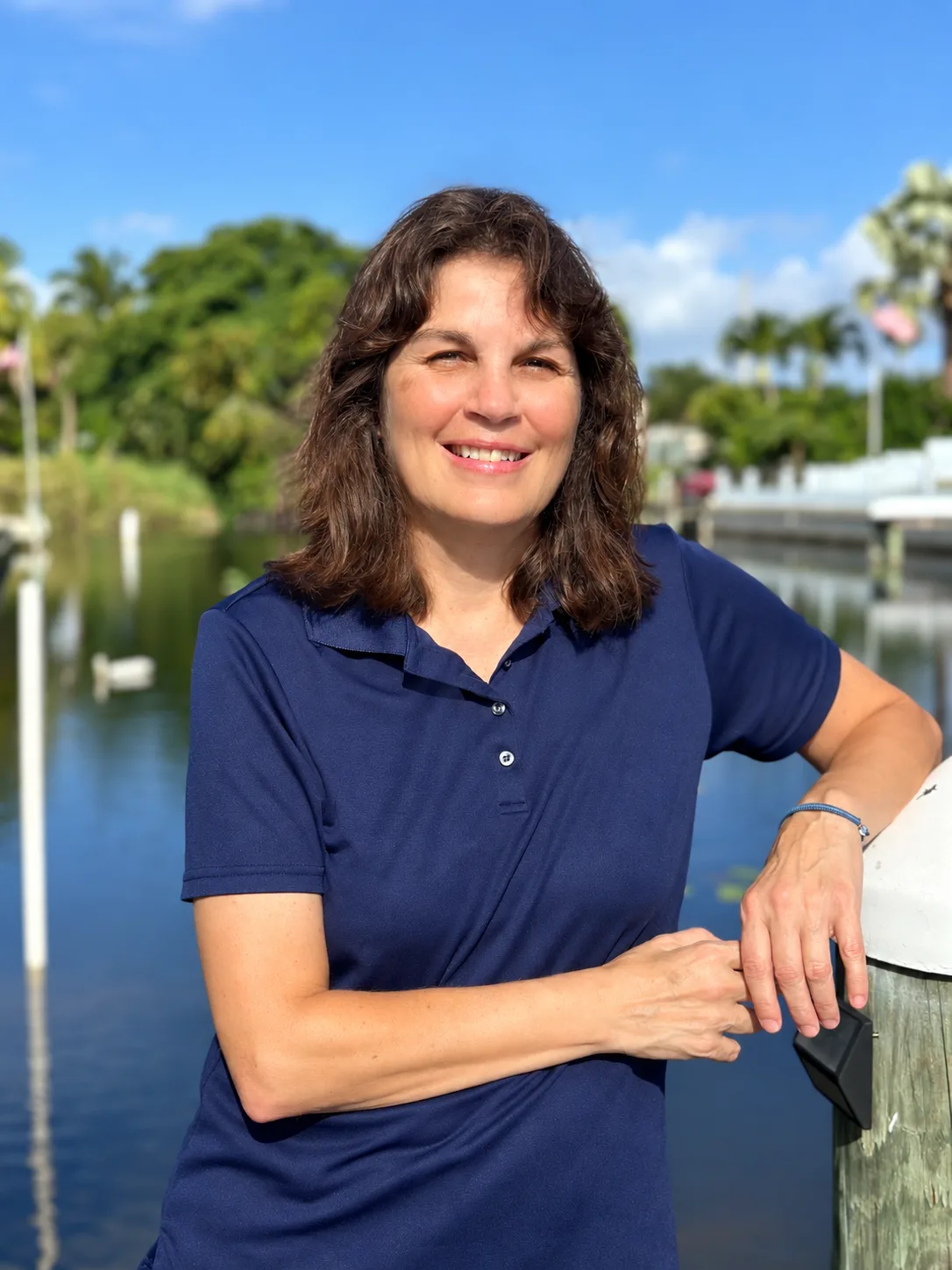
I am Rhonda Townsend with 1st Real Estate Solution Inc., and I help relocating buyers throughout Palm Beach County understand their options. From Wellington's equestrian estates to West Palm Beach's downtown energy and Lake Clarke Shores' waterfront homes, each community offers a different way of life. This guide covers the practical considerations that will help you plan a confident move.
Every relocation is different, but the questions are often the same. Here are answers to the most common things buyers ask me when considering a move to Palm Beach County.
What Are the Cost Considerations for Moving to Palm Beach County?
Florida has no state income tax, which is a significant advantage for many relocating buyers. However, the cost of living in Palm Beach County varies by community and housing type. Here are the main costs to plan for:
- Property taxes: Florida's property tax rate is about 0.83% of assessed value on average. Florida residents can apply for a homestead exemption that reduces the taxable value of their primary residence by up to $50,000.
- Homeowners insurance: Florida insurance rates are higher than the national average due to hurricane risk. Windstorm coverage is typically separate from standard homeowners insurance.
- Flood insurance: Required by most lenders for properties in FEMA-designated flood zones. Even properties outside high-risk zones may benefit from coverage.
- HOA and CDD fees: Many Palm Beach County communities have homeowners association fees and community development district fees. These can range from a few hundred to several thousand dollars annually depending on the community and amenities.
- Utilities: Air conditioning costs are higher during the summer months (May through October). Many homes have energy-efficient systems to help manage these costs.
The overall cost of living in Palm Beach County is above the national average but competitive with other desirable coastal markets in Florida. Your specific costs depend heavily on which community and home type you choose. My relocation guide covers these costs in more detail.
Which Communities Should You Consider?
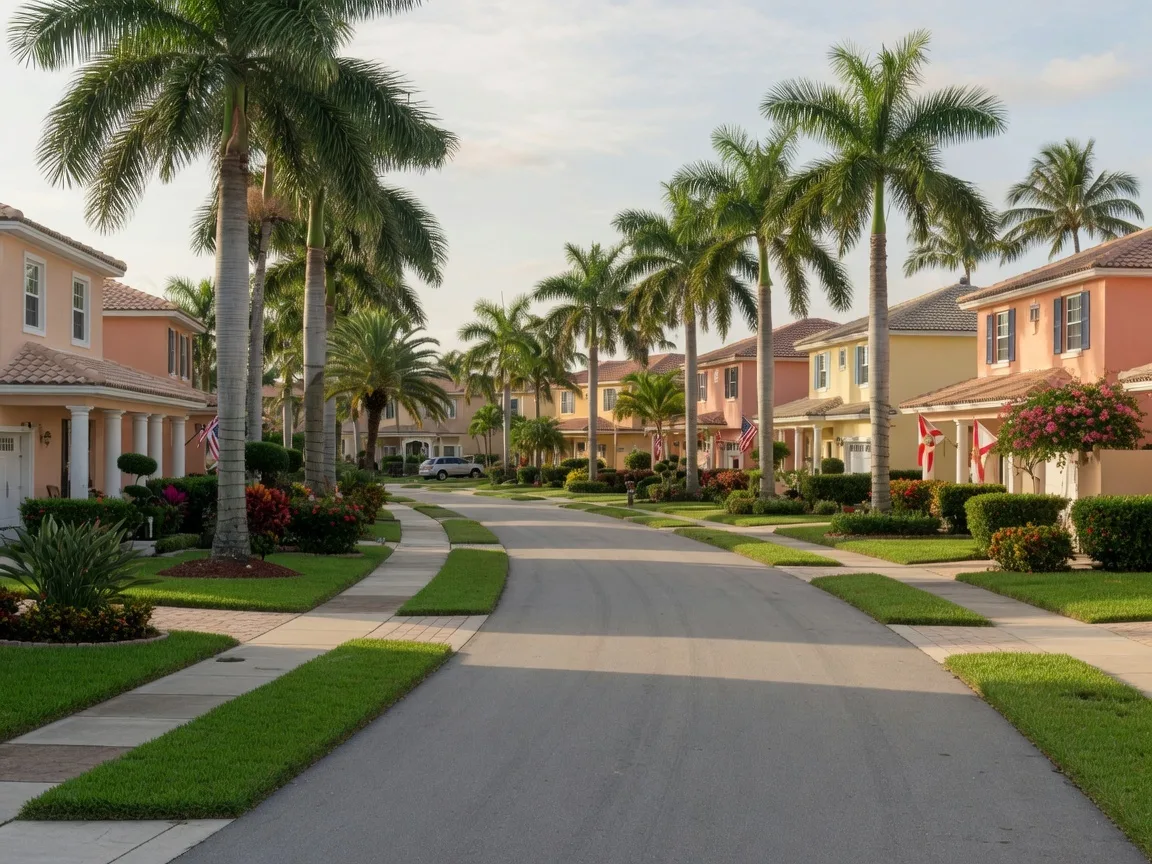
Palm Beach County spans more than 2,000 square miles with communities that each have a distinct personality. Here is a quick overview of the areas I work with most often:
Community Comparison
- Wellington Master-planned communities, equestrian facilities, parks, and family-oriented lifestyle. Explore Wellington
- West Palm Beach Downtown living with waterfront dining, arts, cultural venues, and year-round events. Explore West Palm Beach
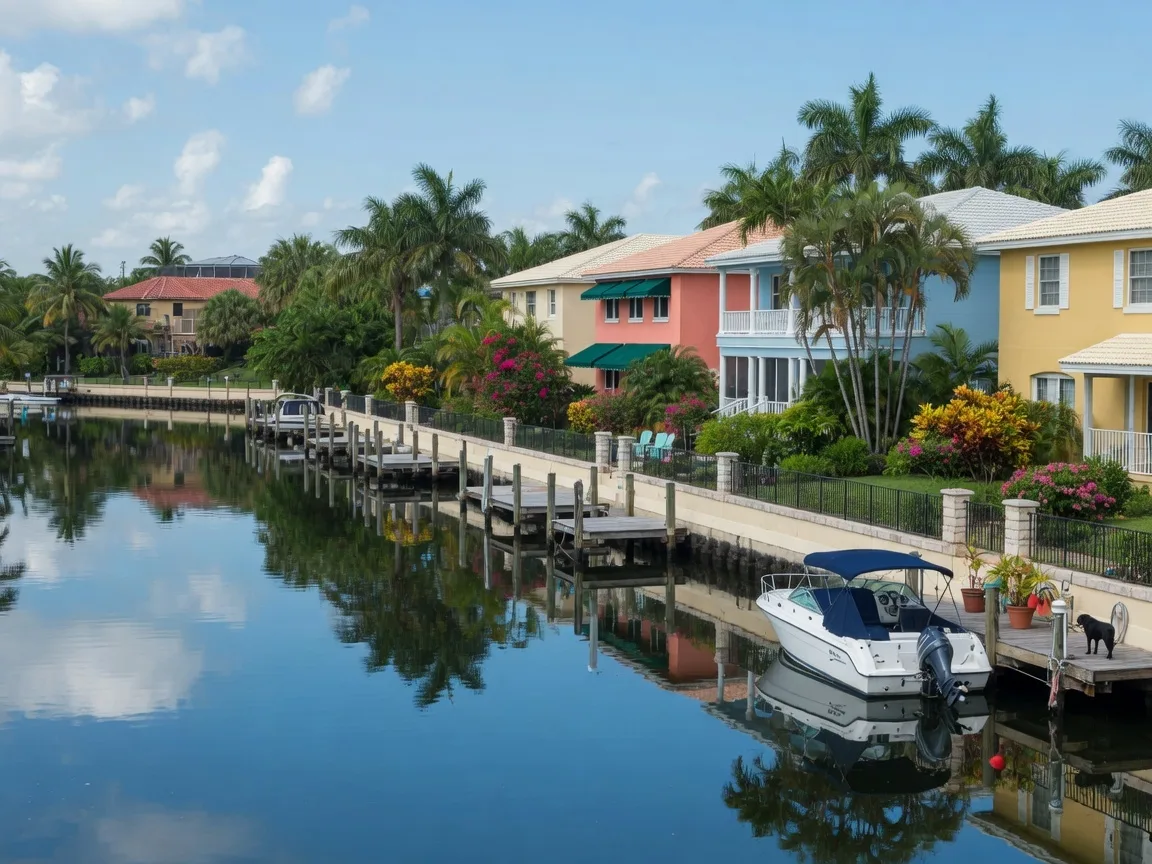
- Lake Clarke Shores Exclusive waterfront community with private canal access to the Intracoastal. Explore Lake Clarke Shores
- Jupiter Beachside community with top-rated golf courses, marinas, and outdoor recreation. Read the Jupiter guide
- Palm Beach Gardens Well-planned communities, golf course neighborhoods, and convenient access to shopping and dining.
I recommend visiting the communities that interest you before making a decision. Spend time in each area, explore the local amenities, and get a feel for the daily rhythm. My community guides provide detailed information about each area.
What Housing Options Are Available?
Palm Beach County offers a wide range of housing options across different price points. Here is what you can typically expect:
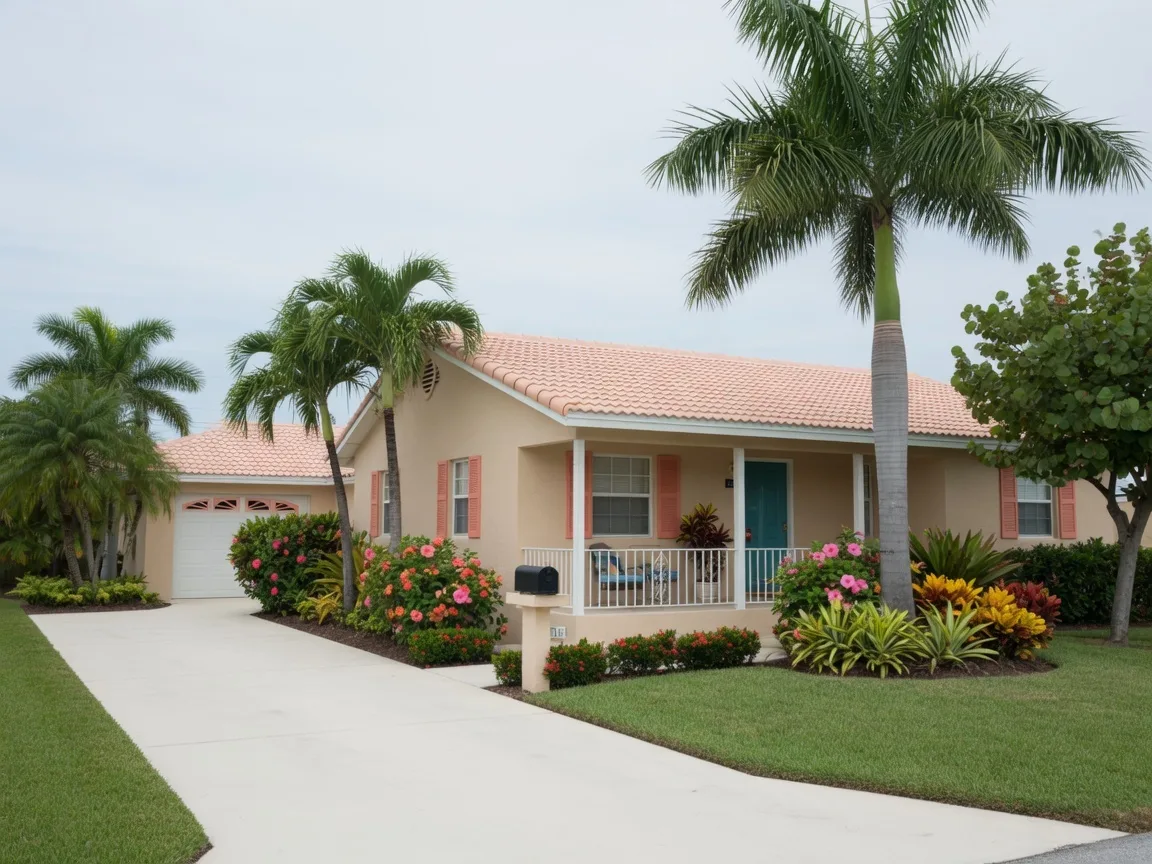
- Single-family homes: The most common option, with prices ranging from the mid-$400,000s to $1 million+ depending on location, size, and waterfront access.
- Condos and townhomes: Low-maintenance options starting around $250,000, often with community amenities like pools, fitness centers, and clubhouses.
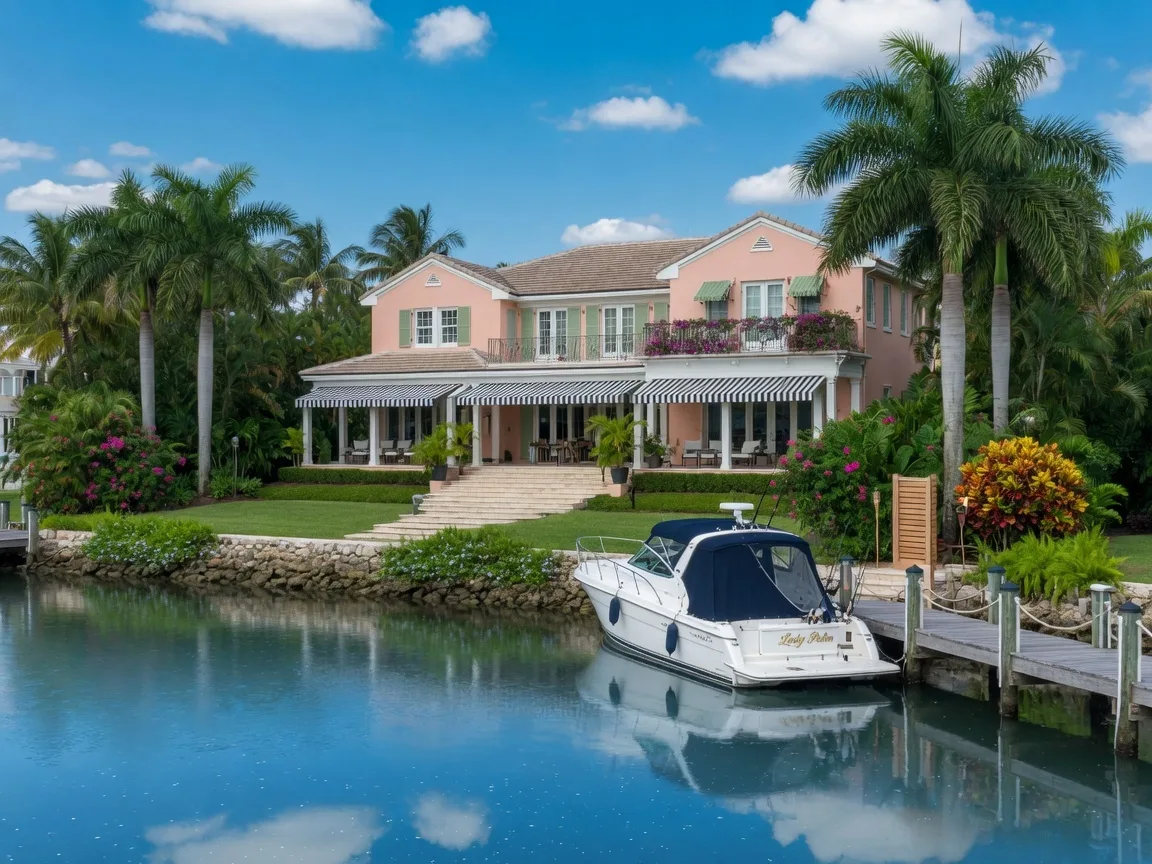
- Waterfront properties: Homes on canals, the Intracoastal, or lakes typically command a premium and require additional due diligence on docks, seawalls, and flood zones.
- Active adult communities: Age-restricted 55+ communities with resort-style amenities are available throughout the county.
- New construction: Several communities throughout the county offer new construction homes with modern floor plans and energy-efficient features.
If you are considering a waterfront property, I recommend reading my waterfront buyer's guide before you start searching. Waterfront homes come with unique considerations around docks, seawalls, flood zones, and insurance that are important to understand upfront.
How Should You Prepare for Florida Weather?
Palm Beach County enjoys warm weather year-round, but it also has a distinct hurricane season from June 1 through November 30. Being prepared is straightforward:
- Know your evacuation zone. Palm Beach County Emergency Management provides zone maps and preparedness resources.
- Review your insurance coverage before storm season. Understand what windstorm and flood insurance cover.
- Create an emergency supply kit with enough provisions for at least three days.
- Most homes built after 2002 follow Florida's modern building codes, which include impact-resistant windows or shutters and reinforced roof structures.
Homes built within the past 10\u201315 years typically meet current code requirements and offer better hurricane protection than older homes. If you are considering an older property, I can help you understand what improvements may be needed.
What Insurance Do You Need in Palm Beach County?
Insurance is one of the most important cost considerations for anyone moving to Florida. Here is what you should plan for:
- Homeowners insurance: Covers your home and personal property. Florida rates are higher than the national average due to weather risks.
- Windstorm insurance: Often a separate policy or endorsement in Florida. Required by most lenders for homes in coastal areas.
- Flood insurance: Required by lenders for homes in FEMA high-risk flood zones. Even homes outside these zones can benefit from flood coverage. Check the FEMA Flood Map Service Center for any property you are considering.
- Automobile insurance: Florida is a no-fault state, which affects coverage requirements and costs.
I always recommend getting insurance quotes for any property you are considering before making an offer. Understanding your full annual insurance cost is essential to making a sound financial decision and avoiding surprises at closing.
How Do You Get Settled After Moving?
Once you have chosen your community and found your home, here are the practical steps to getting settled in Palm Beach County. For the full sequence with official deadlines, my first-month relocation checklist walks through each step in order.
- Apply for a Florida driver's license within 30 days of establishing residency.
- Register to vote through the Palm Beach County Supervisor of Elections office.
- File for homestead exemption by March 1 of the year after you purchase to receive the property tax benefit.
- Update your vehicle registration and obtain Florida license plates.
- Find local healthcare providers including primary care physicians and specialists.
- Explore your new community through local events, farmers markets, and neighborhood activities.
If you are considering downsizing as part of your move or need to coordinate selling and buying simultaneously, I can help you create a plan that keeps everything on track. If you are handling an inherited property in Palm Beach County, I can also help you understand your options and the local market value.
Palm Beach County Relocation Checklist
- Research communities \u2014 Explore Wellington, West Palm Beach, Lake Clarke Shores, Jupiter, and Palm Beach Gardens to find the best fit for your lifestyle.
- Get pre-approved \u2014 Talk to a local lender about mortgage options and get pre-approved before you start house hunting.
- Visit in person \u2014 Spend time in the communities you are considering. Visit at different times of day and on weekends.
- Request insurance quotes \u2014 Get estimates for homeowners, windstorm, and flood insurance for any property you are considering.
- Plan your move \u2014 Research moving companies serving Florida, plan for vehicle transport if needed, and schedule utility connections.
- Connect with a local agent \u2014 Work with someone who knows the communities, understands relocating buyers, and can guide you through the entire process.
This article provides general relocation information for educational purposes. Insurance requirements, tax laws, school assignments, and community details vary and may change. Verify all information with the relevant agencies and consult qualified professionals regarding your individual circumstances.
Moving to Palm Beach County?
You do not need to have every detail figured out before reaching out. Tell me what you are considering, and we can discuss your goals, timeline, and possible next steps.
Rhonda Townsend, REALTOR® · A.I. Certified Agent™ · 1st Real Estate Solution Inc.
(561) 236-9772 ·
rtownsendrealestate@gmail.com
Frequently Asked Questions
Sources
Sources referenced in this article:
- • Palm Beach County Property Appraiser — Property Records and Tax Information
- • FEMA Flood Map Service Center — Flood Zone Lookup
- • Florida Office of Insurance Regulation — Insurance Information
- • Palm Beach County Division of Emergency Management — Hurricane Preparedness
- • U.S. Census Bureau — Palm Beach County Quick Facts
- • Florida Department of Revenue — Homestead Exemption Information
Disclaimer: This article is provided for general educational and real estate information only. It is not legal, tax, financial, insurance, environmental, engineering, or property-inspection advice. Real estate requirements, costs, risks, policies, and market conditions vary by property and may change. Consult qualified professionals regarding your individual circumstances.