Key Takeaways
- Most waterfront properties in Palm Beach County fall within FEMA flood zones, which directly affects your insurance costs and financing options.
- Docks and seawalls are among the most expensive components — always verify permits, condition, and maintenance history before making an offer.
- Bridge clearance and canal depth vary widely by waterway. Match your property to your boat before you commit.
- Waterfront properties typically carry higher insurance costs: flood insurance, windstorm coverage, and marine structure coverage may all be required.
- An agent with boating experience can help you evaluate waterfront features that most buyers overlook.
Waterfront living in Palm Beach County is a dream for many buyers — but it comes with unique considerations that go far beyond what you would encounter with an inland property. Whether you are looking at a canal home in Lake Clarke Shores or an Intracoastal property in West Palm Beach, here is what you need to know before making an offer.
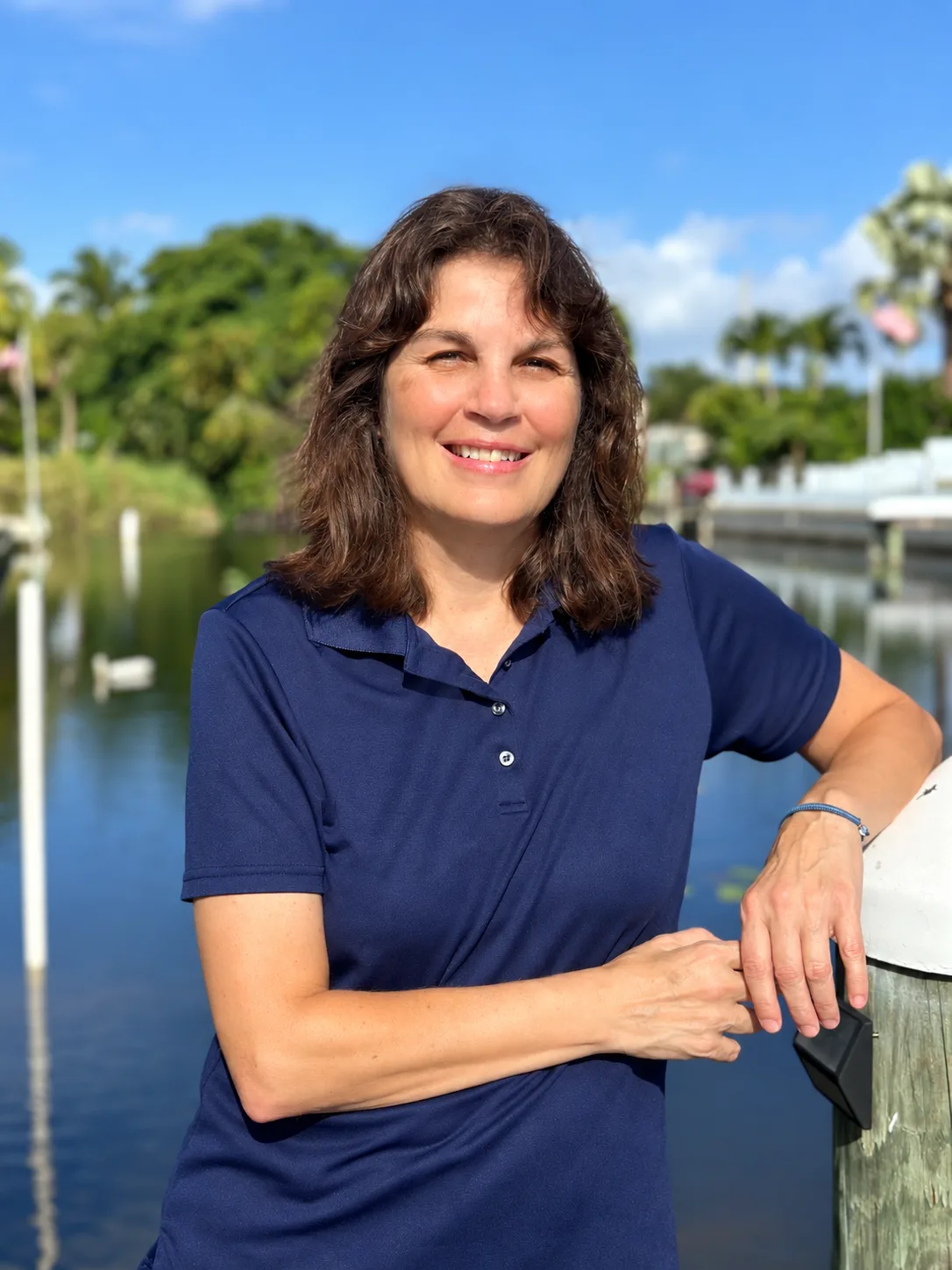
I'm Rhonda Townsend with 1st Real Estate Solution Inc., and I help waterfront buyers throughout Palm Beach County understand the full picture — from flood zones and insurance costs to dock permits and bridge clearances — before they commit. My boating experience gives me a practical understanding of waterfront living that goes beyond the listing photos.
Waterfront properties carry unique financial, legal, and lifestyle considerations. Understanding them before you make an offer protects your investment and helps you find the right property for the way you want to live on the water.
Understanding Flood Zones
Most waterfront properties in Palm Beach County fall within FEMA-designated flood zones. This affects your insurance costs and, in some cases, your financing options. As your agent, I help you:
- Determine the exact flood zone designation for any property
- Obtain flood elevation certificates when available
- Estimate annual flood insurance premiums before you commit
- Understand the difference between FEMA-mapped zones and actual risk
Flood insurance can range from a few hundred dollars per year in lower-risk zones to several thousand dollars annually in high-risk AE or VE zones. Getting quotes early in the process prevents surprises during financing and helps you budget accurately for the true cost of waterfront ownership.
For a complete guide to FEMA flood zones, insurance requirements, and recent map updates affecting Palm Beach County properties, see my flood zones and flood insurance guide.
Docks, Seawalls, and Permits
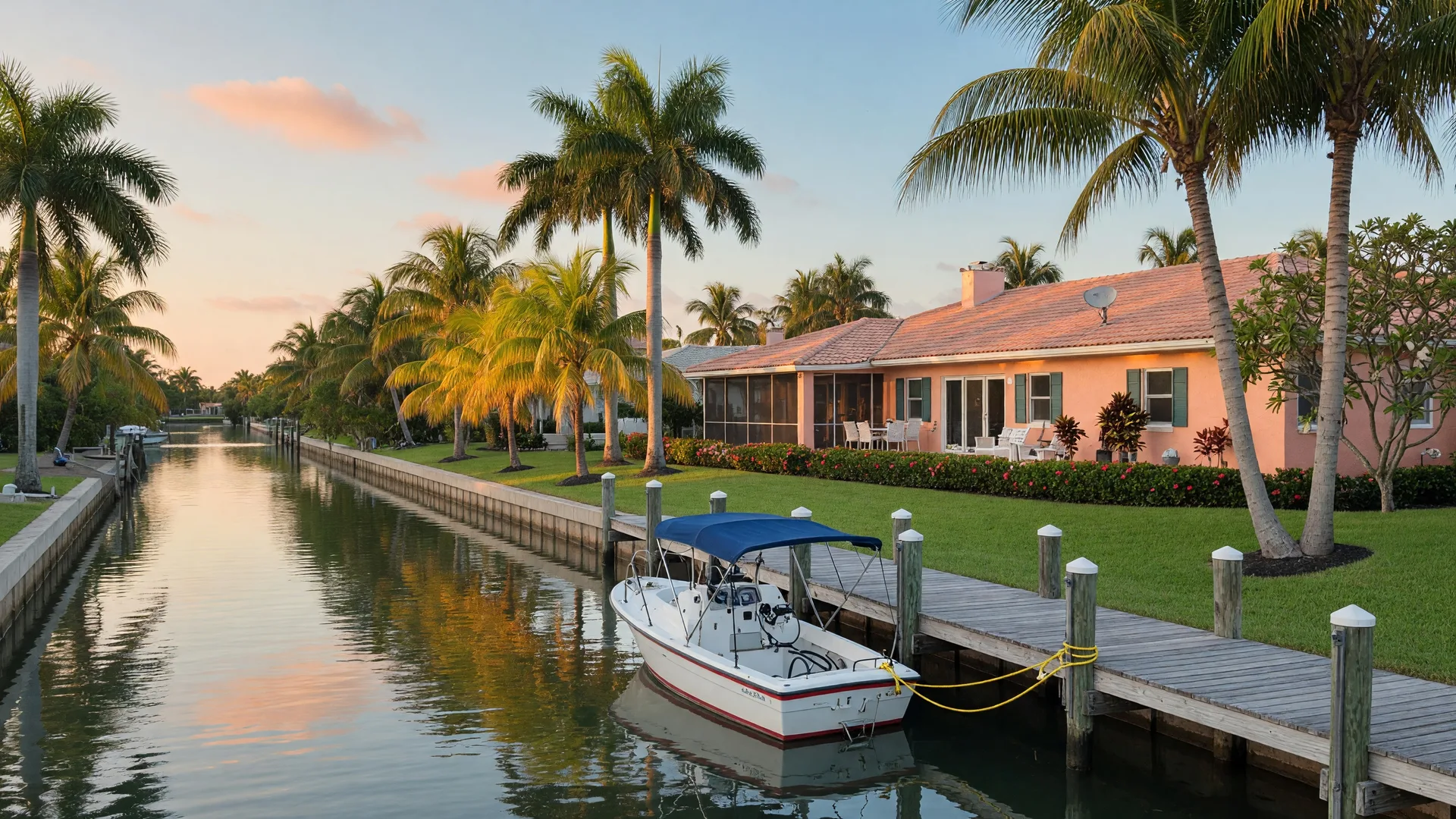
Your dock and seawall are among the most expensive components of a waterfront property — and they are often the most overlooked during an inspection. Here is what I look for:
- Seawall condition: Cracks, erosion, and cap integrity can signal expensive repairs. I coordinate marine inspections when needed.
- Dock permits: Unpermitted dock modifications can create legal and insurance complications. I verify permit history with the county.
- Dock size and condition: Is the dock in good shape? Can it accommodate your boat? Are pilings sound?
- Seawall replacement costs: A new seawall can cost $500–$1,000+ per linear foot, making this one of the most significant financial considerations in a waterfront purchase.
For a deeper look at what a marine inspection covers, how to verify that a dock or seawall is properly permitted, and how water access really works, see my guide to seawalls, docks, and water access in Palm Beach County.
Bridge Clearances and Canal Depths
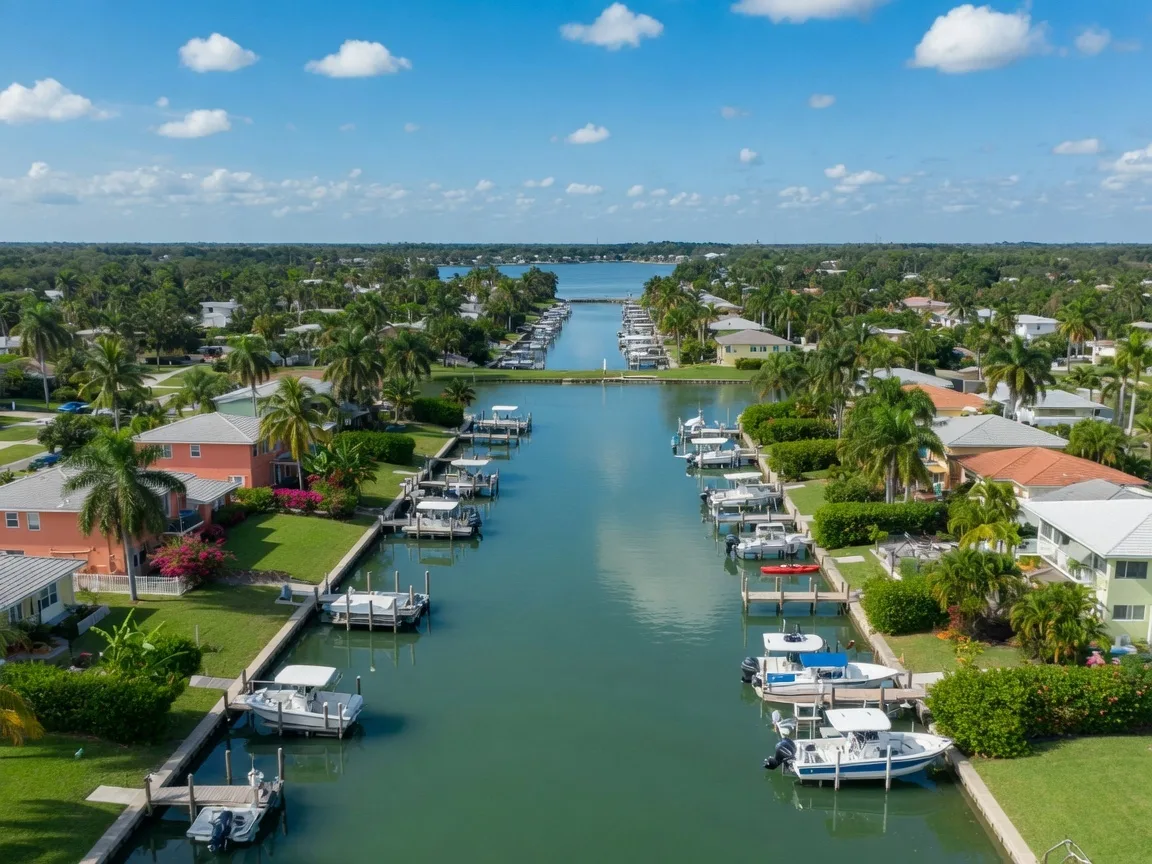
If you own a boat, bridge clearance and water depth are critical. Palm Beach County's canals vary widely — some accommodate sailboats with tall masts, while others are limited to smaller powerboats. I know which waterways have which limitations, and I can help you find a property that matches your vessel.
Key questions to ask about any waterfront property include: What is the vertical clearance at the nearest fixed bridge? What is the mean low-water depth in the canal and at the dock? Are there any wake zones or no-wake restrictions on the waterway? How far is the property from Intracoastal or open-water access?
Insurance Considerations
Waterfront properties typically carry higher insurance costs than inland homes. In addition to standard homeowners insurance, you may need:
- Flood insurance (required by most lenders in high-risk zones)
- Windstorm insurance (separate policy in many Florida counties)
- Additional coverage for docks, seawalls, and marine structures
- Citizens Property Insurance or private flood coverage options
I always recommend getting insurance quotes before making an offer so there are no surprises during the financing process. Understanding your full annual insurance cost is essential to making a sound financial decision.
The Waterfront Lifestyle
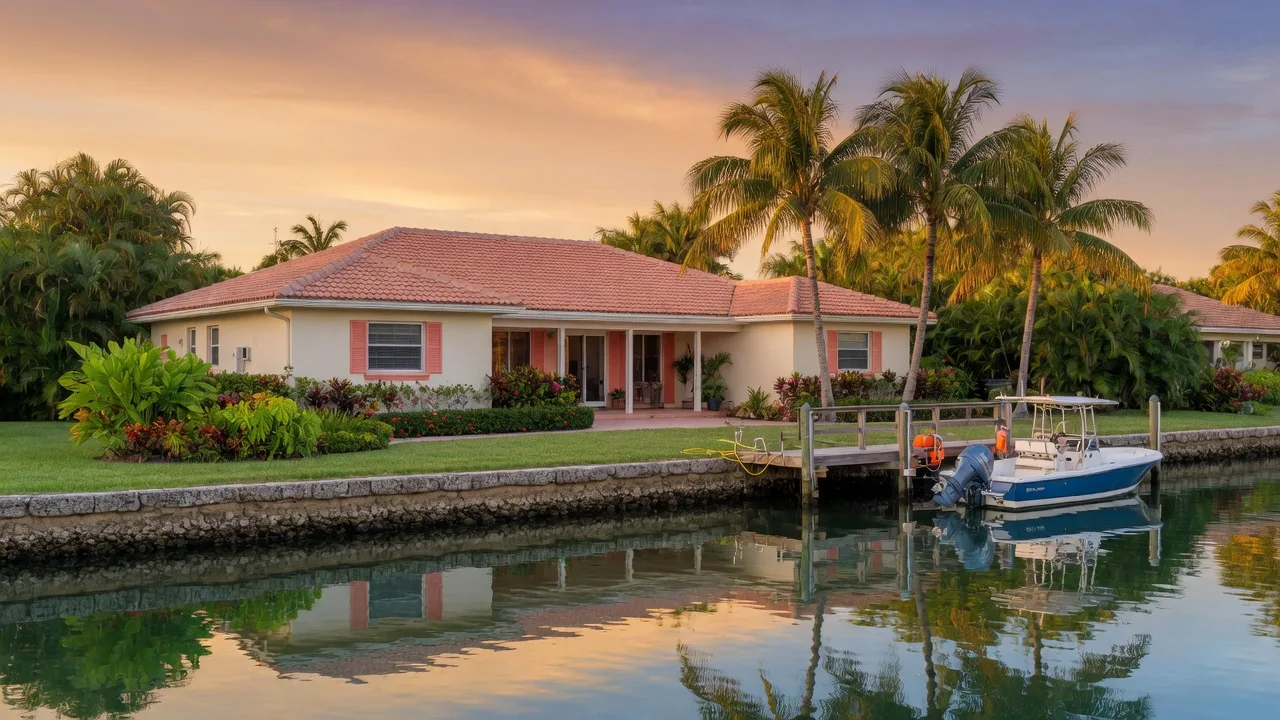
Living on the water is different from visiting it. There is maintenance — seawalls need periodic attention, docks need upkeep, and the salt air affects everything a little faster. But for many of my clients, the trade-off is absolutely worth it: sunset views, quick boat access, and the peace that comes from living on the water every day.
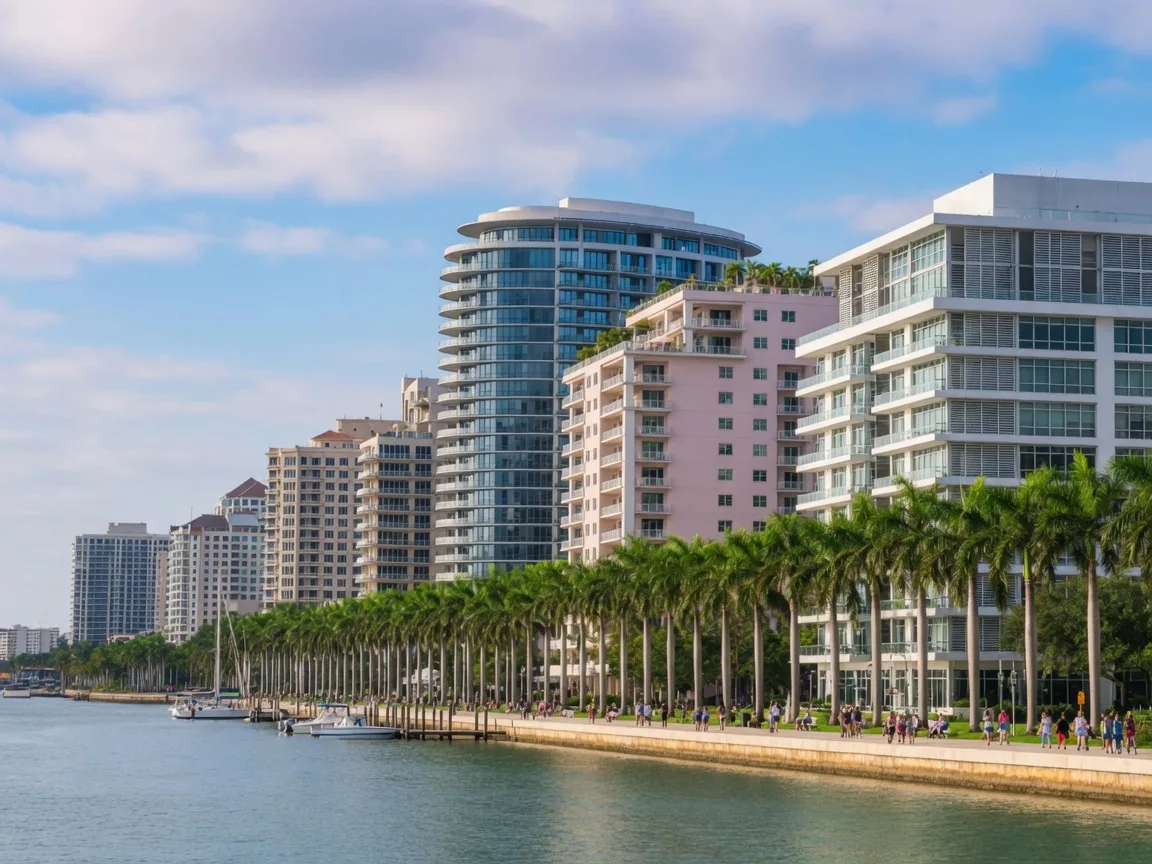
Lake Clarke Shores, for example, offers private canal access with Intracoastal connectivity — a combination that is increasingly rare and valuable in Palm Beach County. West Palm Beach waterfront properties along the Intracoastal provide quick ocean access and proximity to downtown dining and culture. North Palm Beach also offers strong Intracoastal options with marinas and coastal living.
My boating experience gives me a practical understanding of waterfront living that goes beyond the listing photos. If you are weighing whether to upsize into a waterfront property or downsize within the waterfront market, I can help you ask the right questions and make a confident, informed decision.
What to Inspect Before You Buy
Beyond the standard home inspection, waterfront properties require additional scrutiny. Here are the key areas to evaluate:
- Seawall: Cap condition, panel alignment, tiebacks, soil behind the wall, signs of erosion
- Dock: Pilings, decking, cleats, electrical connections, lighting, boat lift condition
- Water access: Canal depth at dock, bridge clearance, distance to Intracoastal, wake conditions
- Flood history: Past flood events, elevation relative to flood stage, sump pump condition
- Exterior: Salt air corrosion on metal fixtures, paint condition, roof and gutter condition
I coordinate with qualified marine inspectors and home inspectors who understand waterfront-specific issues to give you a complete picture before you commit.
"Buying waterfront is about more than the house — it is about understanding the water, the infrastructure, and the lifestyle. I help you see the full picture before you commit."
Your Waterfront Buying Checklist
Before You Make an Offer on a Waterfront Property
- Verify the flood zone designation and obtain flood insurance quotes for the specific property.
- Request dock and seawall permits from Palm Beach County and verify they match the current structures.
- Check bridge clearance and canal depth to ensure your boat can navigate from the dock to open water.
- Inspect the seawall and dock with a qualified marine professional — not just a visual walkthrough.
- Ask about HOA or deed restrictions related to dock use, boat size, and waterfront modifications.
- Evaluate insurance costs including flood, windstorm, and marine structure coverage.
- Understand wake zones and boating rules for the specific waterway and canal system.
- Review the property's flood history and elevation relative to nearby flood stages.
Water access, depth, bridge clearance, dockage, flood information, insurance requirements, and boating suitability vary by property and should be independently verified.
Looking for Waterfront?
I specialize in waterfront properties across Palm Beach County. Let's find the right one for you — with a clear understanding of docks, seawalls, flood zones, and the boating lifestyle.
Rhonda Townsend, REALTOR® · A.I. Certified Agent™ · 1st Real Estate Solution Inc.
(561) 236-9772 ·
rtownsendrealestate@gmail.com
Frequently Asked Questions
Sources
Sources referenced in this article:
- • FEMA Flood Map Service Center — Flood Zone Lookup
- • Florida Department of Environmental Protection — Coastal Management
- • U.S. Coast Guard — Boating Safety
- • National Association of Realtors — Waterfront Property Guide
- • NOAA Tides and Currents — Tide and Current Data
- • Florida Fish and Wildlife Conservation Commission — Wildlife and Boating Regulations
Disclaimer: This article is provided for general educational and real estate information only. Water access, depth, bridge clearance, dockage, flood information, insurance requirements, and boating suitability vary by property and should be independently verified. Consult qualified professionals regarding your individual circumstances.