Key Takeaways
- Inheriting a home in Florida does not automatically make you the owner. The property must go through probate (or another legal process) before title transfers to you.
- You have four main options: keep the home as a personal residence, rent it out, sell it, or transfer ownership to another family member. Each path has different tax and practical implications.
- Florida law provides a stepped-up cost basis for inherited property, which can significantly reduce capital gains tax if you decide to sell.
- Before making any decisions, get a professional opinion on the property condition, check for existing mortgages or liens, and verify insurance coverage immediately.
- Working with local professionals — a Palm Beach County real estate agent, a Florida probate attorney, and a tax advisor — can save you time, money, and stress during this process.
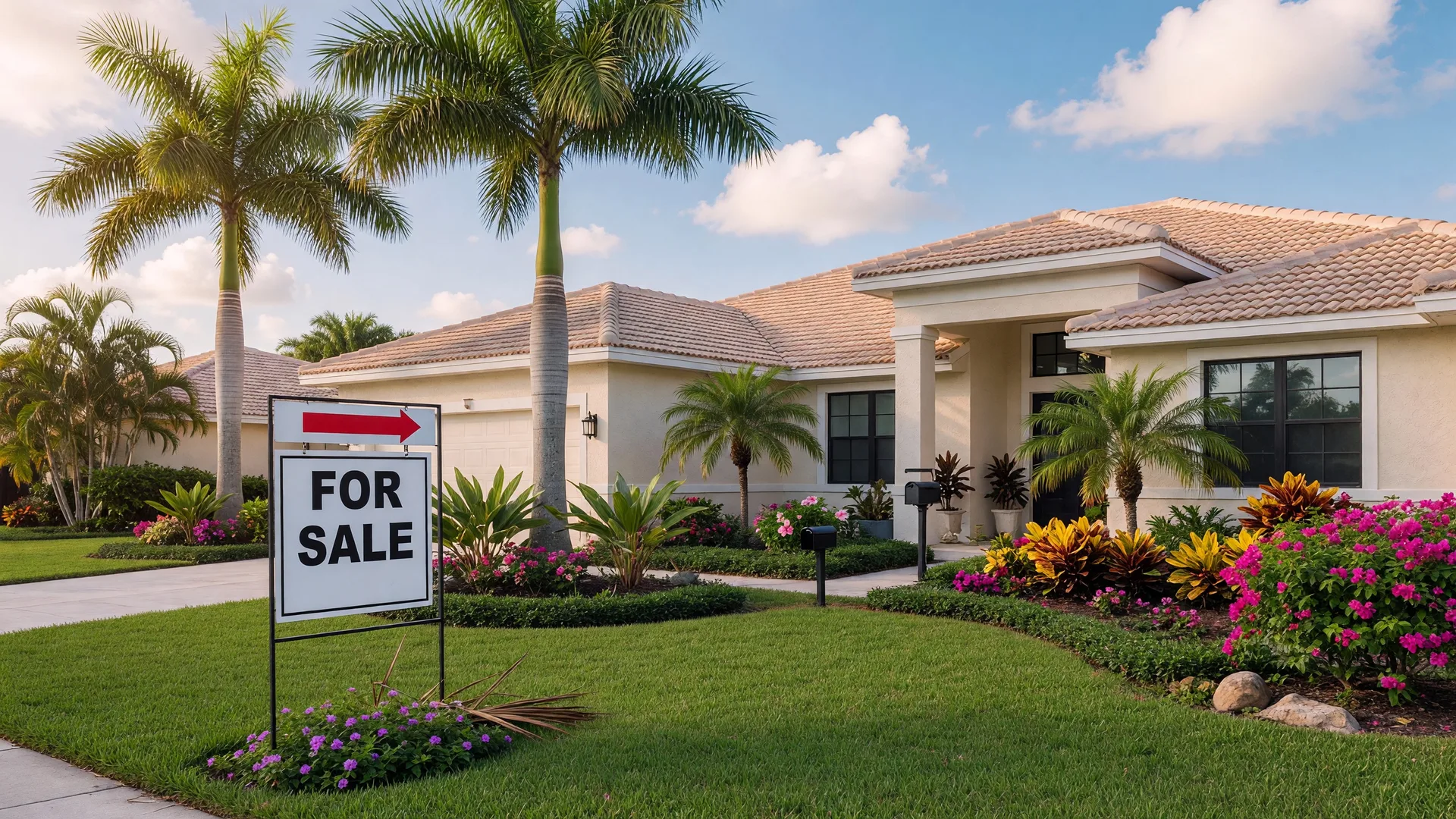
Inheriting a home in Palm Beach County is both an emotional milestone and a practical responsibility. Whether you are deciding whether to keep the property, sell it, or rent it out, knowing the legal and financial steps involved will help you make a confident decision. This guide covers what you need to know about handling an inherited property in Florida.
I am Rhonda Townsend with 1st Real Estate Solution Inc., and I have helped families throughout Palm Beach County navigate inherited property situations. While I am not an attorney or tax professional, I can share the practical real estate knowledge that will help you understand your options and take the right first steps. Every situation is different, so this guide focuses on the general process and the questions you will want to ask the professionals who guide you.
If the inherited property is located in Wellington, West Palm Beach, Lake Clarke Shores, or another Palm Beach County community, local market knowledge will be important when evaluating your options. Let us start with what happens first.
What Happens First After You Inherit a Property in Florida?
The first few weeks after inheriting a home are about securing the property and gathering information. Regardless of whether you plan to keep or sell the home, here are the immediate steps:
- Secure the property — Change the locks, ensure windows and doors are secure, and arrange for someone to check on the home regularly if it is unoccupied. Vacant homes are more vulnerable to weather damage and vandalism.
- Notify the insurance company — The existing homeowners insurance policy may not cover an unoccupied home. Contact the insurer immediately to discuss coverage options for a property that is not currently occupied by the owner.
- Locate the will and estate documents — Find the original will, trust documents, death certificate, and any other estate planning paperwork. These documents determine who has legal authority to make decisions about the property.
- Notify the mortgage servicer — If the property has an existing mortgage, notify the lender of the owner's death. Federal law protects heirs from immediate foreclosure, but the servicer needs to be informed.
- Check for liens and unpaid debts — Search public records through the Palm Beach County Property Appraiser's website to identify any outstanding mortgages, tax liens, HOA liens, or judgments against the property.
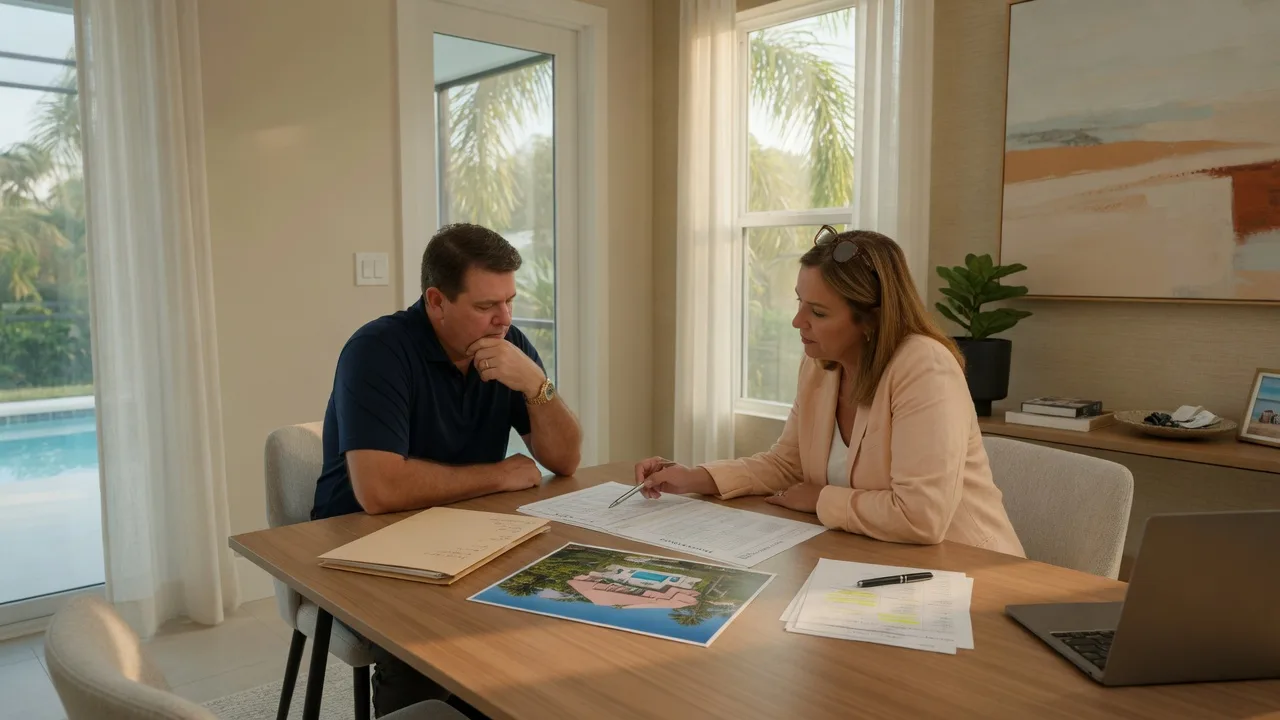
- Contact a Florida probate attorney — Probate is the legal process that transfers ownership from the deceased person to the heirs. An attorney will guide you through this process based on the specific circumstances.
The Palm Beach County Property Appraiser website is a useful resource for researching property ownership history, tax records, and any recorded documents on the property.
Do You Have to Go Through Probate in Florida?
In most cases, yes. Florida probate is the court-supervised process of administering a deceased person's estate and transferring assets to the rightful heirs. The process varies depending on how the property was owned:
- Sole ownership: If the deceased person owned the home in their name only, probate is almost always required to transfer title to the heirs.
- Joint tenancy with rights of survivorship: If the property was owned jointly, ownership typically passes directly to the surviving owner without probate.
- Tenancy by the entirety: For married couples who owned the home together, ownership passes to the surviving spouse without probate.
- Living trust: If the property was held in a revocable living trust, it passes to the beneficiaries outside of probate according to the trust terms.
- Beneficiary deed (Lady Bird deed): Florida allows transfer-on-death deeds that name a beneficiary and avoid probate for real estate.
The Palm Beach County Clerk and Comptroller's office handles probate filings for the local court system. A Florida probate attorney can help you understand which type of probate administration applies in your situation.
What Are Your Options for an Inherited Property in Palm Beach County?
Once the legal process is underway, you will need to decide what to do with the property. Here are the four most common options in Palm Beach County:
Option 1: Keep the Home as a Personal Residence
If the home is in a location that works for your lifestyle and fits your needs, keeping it as your primary residence can be a good choice. You may qualify for Florida's homestead exemption if you make it your permanent home. This reduces your property tax burden and provides certain legal protections.
Before choosing this option, consider the ongoing costs: property taxes, homeowners insurance (including windstorm and possibly flood coverage), HOA or CDD fees, maintenance, and utilities. A home that was affordable for its previous owner may have different cost implications for you.
Option 2: Sell the Property
Selling an inherited property is the most common choice, especially if the home does not fit your lifestyle or if the proceeds need to be divided among multiple heirs. Selling also eliminates ongoing carrying costs and provides liquidity.
If you decide to sell, the property can be listed on the Palm Beach County market once the personal representative has legal authority to sell. Working with a local real estate agent who understands probate sales and the specific market conditions in your property's community is important. Wellington, West Palm Beach, Lake Clarke Shores, and other Palm Beach County communities each have distinct buyer preferences and pricing dynamics.
One advantage of selling an inherited property is the stepped-up cost basis, which can minimize capital gains tax. More on that below.
Option 3: Rent the Property
If you are not ready to sell but do not want to live in the home, renting it out can generate ongoing income while preserving the asset. Palm Beach County's year-round rental demand, especially in desirable areas near beaches, equestrian facilities, and downtown amenities, can provide steady rental income.
However, being a landlord comes with responsibilities: property management, tenant screening, maintenance, insurance for rental properties, and understanding Florida landlord-tenant law. If this feels overwhelming, a professional property management company can handle the day-to-day operations.
Option 4: Transfer to Another Family Member
If another family member wants to live in the home or take over ownership, the property can be transferred to them through the probate process or via a separate transaction. This can be a practical solution when one heir wants to keep the home and others are willing to be bought out of their share.
What Are the Tax Implications of Selling an Inherited Home?
Understanding the tax implications of an inherited property can save you thousands of dollars. Here are the key concepts:
- Stepped-up cost basis: Under federal tax law, inherited property receives a stepped-up basis equal to its fair market value on the date of the original owner's death. This means if you sell the home shortly after inheriting it, you may owe little or no capital gains tax, even if the original owner bought the home for much less decades ago.
- Capital gains on sale: If you sell the property for more than its stepped-up basis, the difference is a capital gain. The tax rate depends on your income and how long you hold the property. Gains from selling within one year of inheritance are typically short-term; gains after one year are long-term.
- Primary residence exclusion: If you move into the inherited home and make it your primary residence for at least two of the five years before selling, you may qualify for the Section 121 exclusion (up to $250,000 of gain for single filers, $500,000 for married couples filing jointly).
- Florida has no state income tax: Florida does not tax individual income, so you will not pay state capital gains tax. However, property taxes and other local fees will apply.
The IRS Publication 551 on Basis of Assets provides detailed guidance on cost basis rules for inherited property. I recommend consulting a CPA or tax advisor who understands Florida real estate and estate tax considerations.
What Costs Should You Expect as the New Owner?
Even if you plan to sell quickly, there are costs associated with owning an inherited property during the transition period. Here is what to budget for:
Common Costs for Inherited Properties in Palm Beach County
- Property taxes Continue to be due even when the home is unoccupied. Check for any past-due taxes through the Palm Beach County Tax Collector's office.
- Insurance Unoccupied homes may require a vacancy permit or a different insurance policy. Expect higher rates for vacant properties.
- HOA or condo fees Many Palm Beach County communities have mandatory HOA fees that continue regardless of occupancy. Past-due fees may have accumulated.
- Utilities Electricity, water, and other utilities should remain active to maintain the property and prevent issues like mold or pipe damage.
- Maintenance and repairs Deferred maintenance can add up quickly. A pre-listing inspection can identify issues before they become surprises during a sale.
- Probate and legal fees Attorney fees for probate administration vary based on the estate's complexity and the value of the assets involved.
What Inspections and Due Diligence Should You Do?
Before deciding what to do with the property, a thorough inspection helps you understand its true condition. Here are the inspections to consider:
- General home inspection: A licensed home inspector will evaluate the property's major systems: roof, HVAC, plumbing, electrical, foundation, and structure. This gives you a baseline understanding of the home's condition.
- Roof inspection: Florida's sun, rain, and occasional storms take a toll on roofs. Knowing the age and condition of the roof is critical for both insurance purposes and any potential sale.
- Wind mitigation inspection: This Florida-specific inspection identifies features that protect against hurricane-force winds and can qualify the home for insurance discounts.
- 4-point inspection: Required by many Florida insurers, this inspection evaluates the roof, electrical, plumbing, and HVAC systems. It is often needed to obtain homeowners insurance on an older home.
- WDO (wood-destroying organism) inspection: Termites and other wood-destroying organisms are common in Florida. An inspection can reveal active infestations or past damage that needs attention.
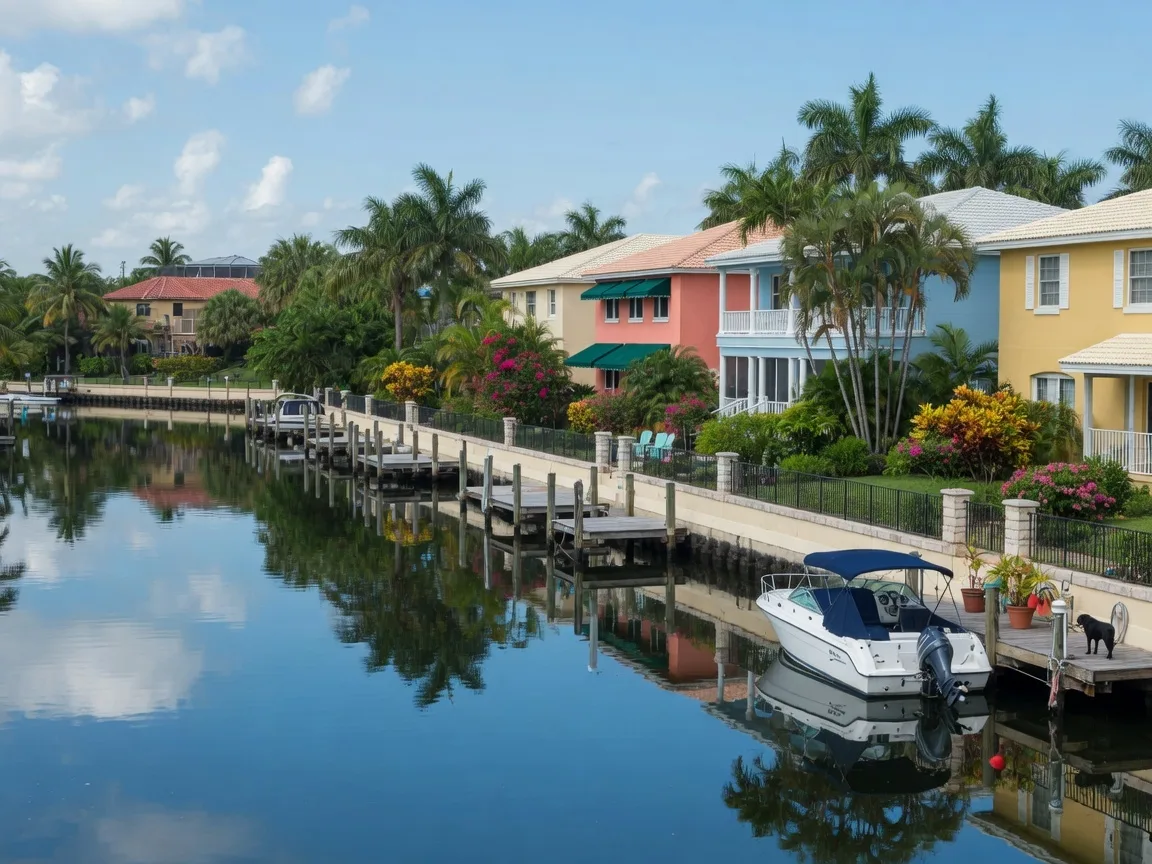
If the inherited property is a waterfront home on a canal, lake, or the Intracoastal, additional due diligence may be needed on seawall condition, dock permits, and flood zone status. For more information, read my waterfront buyers guide.
Inherited Property Checklist for Palm Beach County
Your Palm Beach County Inherited Property Checklist
- Secure the property — Change locks, arrange regular checks, and protect against weather and vandalism.
- Notify insurance immediately — Confirm coverage for an unoccupied home and discuss your options with the insurer.
- Gather estate documents — Find the will, trust, death certificate, and any other legal paperwork.
- Contact a Florida probate attorney — Get professional guidance on the specific legal process for your situation.
- Check for mortgages, liens, and debts — Review public records through the Palm Beach County Property Appraiser and Clerk of Courts.
- Schedule a home inspection — Understand the property condition before making any major decisions.
- Consult a tax advisor — Understand the stepped-up cost basis, capital gains implications, and any filing requirements.
- Get a local market analysis — Work with a Palm Beach County real estate agent to understand the property's current market value.
- Evaluate your options — Compare keeping, selling, renting, or transferring the property based on your financial and personal goals.
- Make your decision and take action — Once you have the information you need, move forward with the option that fits best.
If the inherited property is one you may sell, I can help you understand the local market conditions and what the home could sell for in its current condition. The Palm Beach County market varies by community, and pricing an inherited property correctly starts with understanding buyer expectations in that specific neighborhood.
For more information about the selling process in Palm Beach County, read my complete guide to selling your home. If you need to coordinate selling the inherited property while also buying a home of your own, the guide to selling and buying at the same time covers timing and contingency strategies.
Every inherited property situation is unique. I encourage you to work with qualified professionals who can address your specific circumstances, including a Florida probate attorney, a CPA or tax advisor, a home inspector, and a local Palm Beach County real estate agent who understands the market.
Need Help With an Inherited Property in Palm Beach County?
I can help you understand the local market value of an inherited property, connect you with probate and tax professionals, and guide you through selling or preparing the home. There is no obligation, just practical advice for your situation.
Rhonda Townsend, REALTOR® · A.I. Certified Agent™ · 1st Real Estate Solution Inc.
(561) 236-9772 ·
rtownsendrealestate@gmail.com
Frequently Asked Questions
Sources
Sources referenced in this article:
- • Florida Department of State — Division of Corporations — Florida Business and Estate Information
- • Palm Beach County Clerk & Comptroller — Probate Court Information
- • IRS Publication 551 — Basis of Assets — Cost Basis Information for Inherited Property
- • Palm Beach County Property Appraiser — Property Tax Records and Research
- • Florida Bar — Probate Law — Find a Florida Probate Attorney
Disclaimer: This article is provided for general educational and real estate information only. It is not legal, tax, financial, insurance, environmental, engineering, or property-inspection advice. Real estate requirements, costs, risks, policies, and market conditions vary by property and may change. Consult qualified professionals regarding your individual circumstances.