Key Takeaways
- New Florida residents must get a Florida driver’s license within 30 days of establishing residency and register their vehicles within 10 days.
- Florida is a no-fault state, and you must show proof of Florida-compliant auto insurance (Personal Injury Protection and Property Damage Liability) before you register a vehicle or get a driver’s license.
- Homestead exemption applications are filed with the Palm Beach County Property Appraiser and are generally due by March 1 of the tax year.
- Do the paperwork in order: insurance first, then vehicle registration and driver’s license, then utilities, banking, and voter registration.
- Start researching Palm Beach County communities and home values before you arrive so your housing search can begin the moment you land.
Relocating to Palm Beach County comes with a set of first-month tasks: getting your Florida driver's license, registering your vehicles, setting up auto and homeowners insurance, connecting utilities, and filing for your homestead exemption. This checklist lays out what to do in your first 30 days so nothing slips past a deadline, with the official rules for each step.
I'm Rhonda Townsend, a REALTOR® with 1st Real Estate Solution Inc. who helps buyers and sellers across Wellington, West Palm Beach, Lake Clarke Shores, and communities throughout Palm Beach County. Most of the families I work with who relocate here say the same thing: the physical move was the easy part, and the paperwork was the surprise. This first-month checklist is the guide I share with clients who want a clear, low-stress path from arrival to settled.
What Should You Do in Your First Week in Palm Beach County?
The first week is about the basics that let everything else happen. Start with a change-of-address notice through the U.S. Postal Service so your mail follows you. Notify your banks, credit card companies, employer, and any subscriptions of your new address. If you are renting before you buy, confirm your lease, walk through the unit, and note the move-in condition.
Order matters with vehicle tasks. In Florida you must show proof of a Florida-compliant auto insurance policy before you can register a vehicle or apply for a driver's license, so set up or update your auto insurance policy with your Florida address early in the week. That single step unlocks the rest of the process.
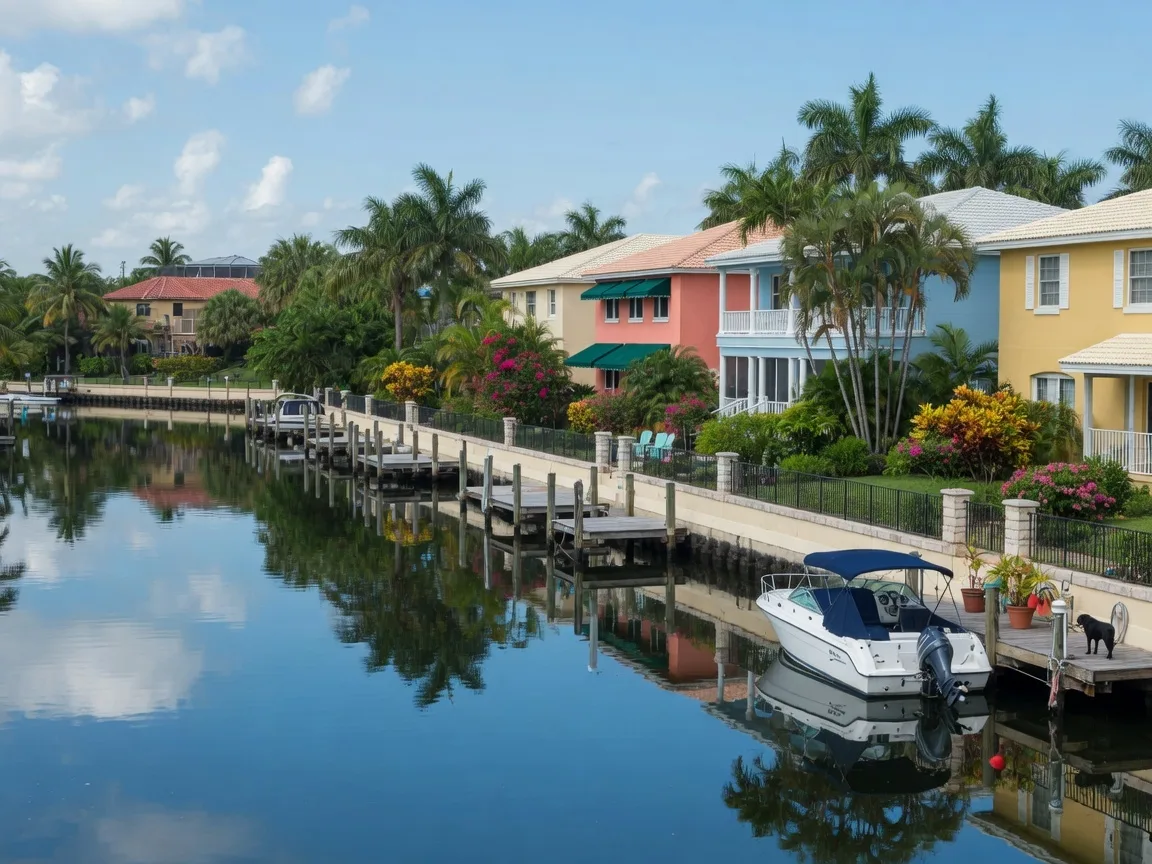
You should also start your housing search right away if you have not already. Communities in West Palm Beach, Wellington, and Lake Clarke Shores each have a different feel and a different price range, and my Palm Beach County relocation guide walks through how to compare them. If you are planning to buy, reach out to a local agent and a lender in your first week so you can be pre-approved while you still finish the licensing and registration steps.
When Do You Need a Florida Driver's License?
Florida gives new residents 30 days from establishing residency to obtain a valid Florida driver's license. Once you have moved to Florida and intend to make it your home, the 30-day clock starts. You will surrender your out-of-state license when you apply at a Florida driver license office and take a vision test and the written knowledge exam, which is available in multiple languages.
According to the Florida Highway Safety and Motor Vehicles new resident page, you will need proof of your identity, your Social Security number, proof of residential address, and proof of Florida insurance. A REAL ID-compliant license is available if you bring the additional documents that federal rules require. If you have a commercial driver's license, medical conditions, or a license from a country without a Florida reciprocity agreement, check FLHSMV's guidance before your visit because the requirements differ.
When Must You Register Your Vehicle in Florida?
Your out-of-state vehicle must be titled and registered in Florida within 10 days of establishing residency, accepting employment or engaging in a trade in Florida, or enrolling a child in a Florida public school. Registration is handled at the county level, so in Palm Beach County you visit the Palm Beach County Tax Collector. Bring your current out-of-state title, proof of Florida insurance, and the identification and residency documents the tax collector lists on its website.
Florida is a no-fault insurance state. Before a vehicle with four or more wheels can be registered, you must show proof of a Florida-compliant policy with at least $10,000 in Personal Injury Protection (PIP) and $10,000 in Property Damage Liability (PDL), as explained on the FLHSMV insurance requirements page. Registration fees are based on the vehicle's weight and type, and Florida also charges a one-time registration fee for new vehicles entering the state. A motor vehicle registration overview from FLHSMV is a useful reference for the full list of fees and documents.
How Do You Set Up Utilities and Local Services?
Start utility connections about a week before you need them. Electricity in most of Palm Beach County is provided by Florida Power & Light, and you can schedule a start date online with your new address. Water and sewer service depends on where you live: some cities and towns in the county operate their own utilities, while unincorporated areas are served by Palm Beach County Water Utilities. If you are buying, your closing agent or your new HOA can tell you which provider serves the address.
Internet and television service, trash collection, and any HOA or condo association transfer paperwork are the remaining items. If you are moving into a community with a homeowners association, ask about gate passes, parking stickers, and amenity registration during your first week so you are not locked out of the pool, gym, or clubhouse later.
What About Homestead Exemption and Voter Registration?
If you own the home you will live in, file for the Florida homestead exemption with the Palm Beach County Property Appraiser. The exemption lowers your assessed property value for tax purposes and also starts the Save Our Homes cap on future assessment increases, which protects your taxable value from rising as fast as market values. Applications are generally due by March 1 of the tax year, you must own the home and occupy it as your permanent residence as of January 1 of that year, and you file online, by mail, or in person with the property appraiser's office.
To qualify, you will typically need a copy of your recorded deed, a valid Florida driver's license or ID showing the home's address, a Florida vehicle registration, and your voter registration or voter ID. The exact list varies, so confirm it with the property appraiser's office before you apply. If you missed a purchase date and are not sure you qualify for the current year, ask about the pre-filing and late-filing options that Florida law provides.
Register to vote through the Palm Beach County Supervisor of Elections. You can register online, by mail, or in person, and Florida has a registration deadline of 29 days before an election. If you register when you get your driver's license, the driver license office can submit your voter registration at the same time.
What Insurance and Healthcare Should You Update?
Beyond auto insurance, review your homeowners or renters insurance with your new Florida address. Coastal counties like Palm Beach County have their own windstorm and flood considerations, and if your home is in a flood zone, flood insurance may be required by your lender. Ask your insurance agent for quotes on the actual property before you make an offer so the premium is part of your budget, and read my flood zones and flood insurance guide for what to check on any Florida property.
Update your health insurance and prescriptions with your new address and find a primary care provider near your new home. If you are on Medicare or a marketplace plan, notify the carrier of your move so your coverage and network are correct. Florida does not have a state income tax, which is one of the reasons many people choose the state, but your federal filing address changes too, so update it with the IRS and any financial institutions.
Your First-Month Checklist at a Glance
First-Month Checklist
- Week one: File a change of address, notify your bank and employer, and set up or update your Florida auto insurance policy.
- First 10 days: Title and register your vehicle with the Palm Beach County Tax Collector.
- First 30 days: Get your Florida driver's license at a Florida driver license office.
- Week two: Connect electricity, water, internet, and trash service, and handle any HOA or condo transfer paperwork.
- When you own: File for the homestead exemption with the Palm Beach County Property Appraiser before March 1.
- Early on: Register to vote, find a healthcare provider, and update your insurance and financial accounts.
- Ongoing: Keep exploring Palm Beach County communities so your next home fits your budget and lifestyle.
The first month in Palm Beach County is busy, but the deadlines are clear and the county's offices make the process straightforward. If you are relocating and would like help planning your housing search, whether you plan to rent first or buy right away, call me at (561) 236-9772 or email rtownsendrealestate@gmail.com. I can help you compare communities, understand what your budget will buy, and build a plan for your move.
Moving to Palm Beach County?
The first month sets the tone for a smooth move. I help relocating buyers and sellers plan their Palm Beach County move from the first call through closing, and I can connect you with the local steps above along the way.
Rhonda Townsend, REALTOR® · A.I. Certified Agent™ · 1st Real Estate Solution Inc.
(561) 236-9772 ·
rtownsendrealestate@gmail.com
Frequently Asked Questions
Sources
Sources referenced in this article:
- • Florida Highway Safety and Motor Vehicles — New Resident (Welcome to Florida)
- • Florida Highway Safety and Motor Vehicles — Motor Vehicle Registrations
- • Florida Highway Safety and Motor Vehicles — Florida Insurance Requirements
- • Palm Beach County Property Appraiser — The Homestead Exemption
- • Discover The Palm Beaches — Official Tourism Marketing Corporation for Palm Beach County
Disclaimer: This article is provided for general educational and real estate information only. It is not legal, tax, financial, insurance, environmental, engineering, or property-inspection advice. Real estate requirements, costs, risks, policies, and market conditions vary by property and may change. Consult qualified professionals regarding your individual circumstances.