Key Takeaways
- FEMA designates flood zones across Palm Beach County, ranging from high-risk coastal areas (Zone VE) and inland floodplains (Zone AE) to moderate-risk (Zone X shaded) and minimal-risk (Zone X unshaded) areas.
- Homes in high-risk flood zones (Special Flood Hazard Areas) with federally-backed mortgages are required to carry flood insurance. In moderate- and low-risk zones, insurance is not required but is strongly recommended.
- Updated FEMA flood maps released in late 2024 added thousands of Palm Beach County properties to high-risk zones, which may affect insurance requirements for buyers and sellers.
- Flood insurance costs vary based on the zone, elevation, age of the home, and coverage amount. Elevation certificates can help lower premiums in some cases.
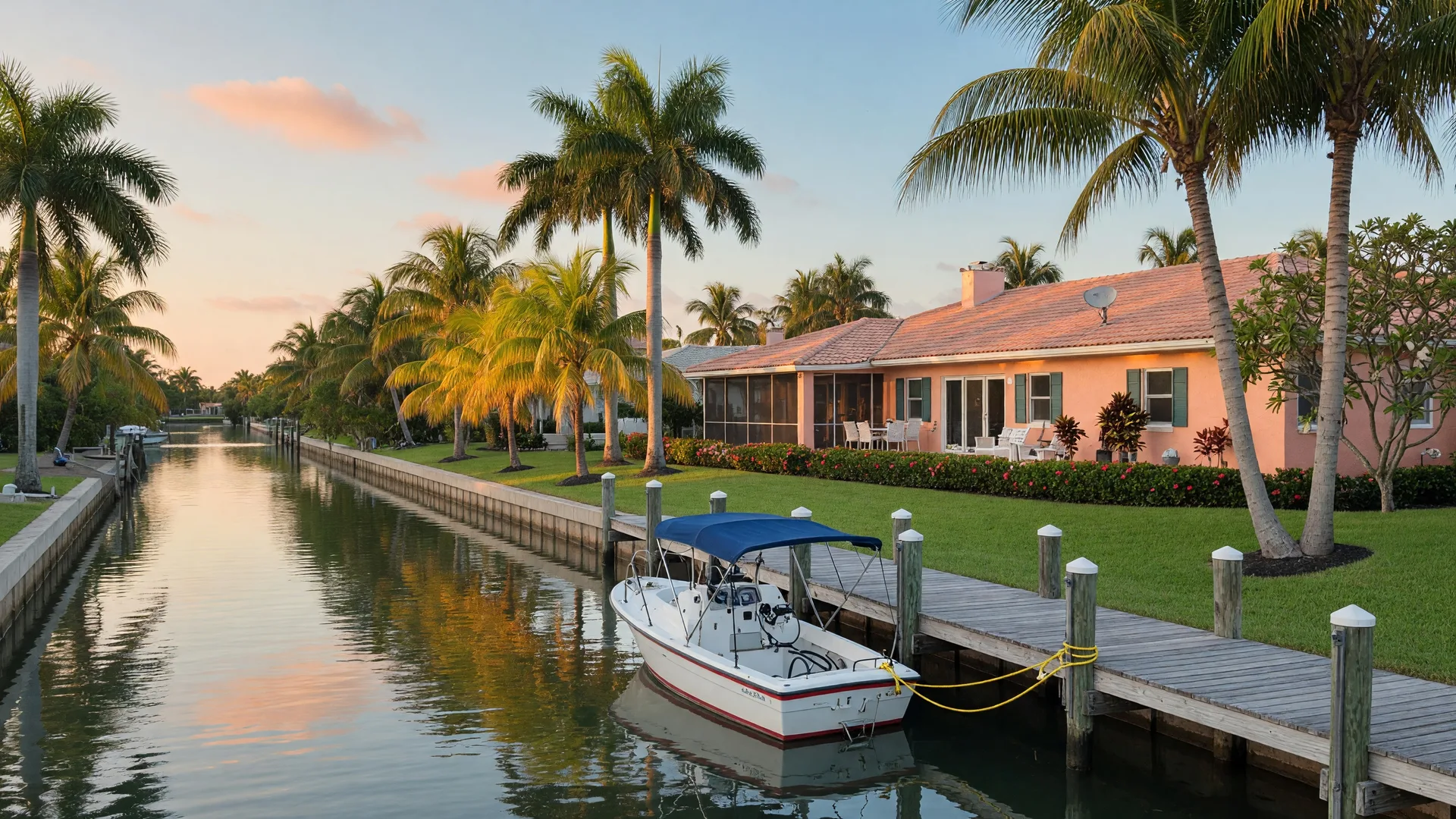
- Waterfront buyers should research seawall condition, dock permits, and flood history in addition to the flood zone designation.
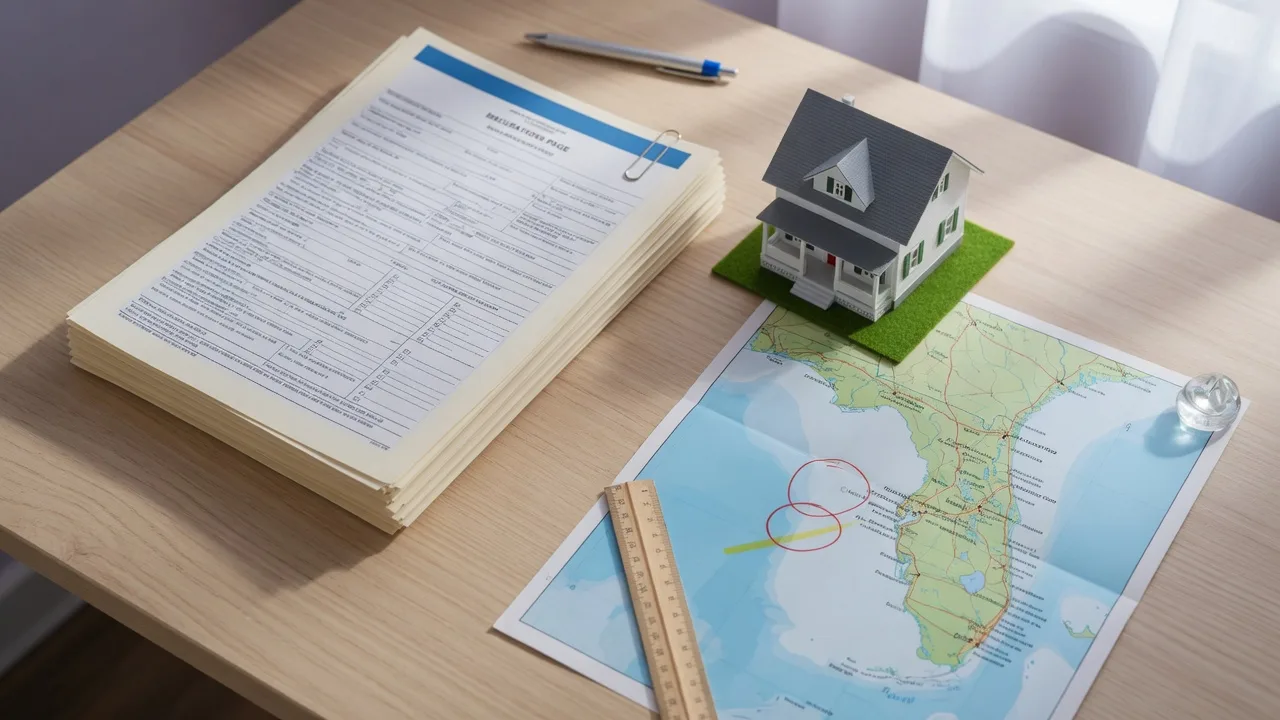
Flood zones in Palm Beach County are designated by FEMA to indicate the level of flood risk for a specific property. The most common designations are Zone AE (high-risk floodplain with determined base flood elevation), Zone VE (coastal high-risk with wave action), Zone X shaded (moderate-risk, 0.2% annual chance), and Zone X unshaded (minimal-risk). Homes in high-risk zones with federally-backed mortgages are required to have flood insurance, while properties in moderate- and low-risk zones are not required but may still benefit from coverage. Updated FEMA maps released in late 2024 added thousands of Palm Beach County properties to high-risk zones, making it more important than ever to understand flood zone designations when buying or selling a home.
I'm Rhonda Townsend with 1st Real Estate Solution Inc., and I have helped buyers throughout Palm Beach County navigate waterfront purchases, flood zone concerns, and the practical realities of living in coastal and canal-side communities. Whether you are looking at a waterfront home in Lake Clarke Shores, a canal property in West Palm Beach, or a home on higher ground in Wellington, understanding flood risk is an essential part of making an informed decision.
For a complete overview of the waterfront home buying process, see my waterfront buyers guide, which covers docks, seawalls, and the full scope of what to consider before making an offer.
What Are Flood Zones and Why Do They Matter?
Flood zones are geographic areas defined by FEMA based on the level of flood risk. These zones are used to determine flood insurance requirements, building codes, and development regulations. For home buyers and sellers in Palm Beach County, flood zones matter because they affect:
- Insurance requirements: Lenders require flood insurance for homes in high-risk zones with federally-backed mortgages.
- Insurance costs: Flood insurance premiums vary significantly by zone, elevation, and property characteristics.
- Building requirements: Homes in high-risk zones must meet specific elevation and construction standards.
- Resale value: Flood zone designation can affect buyer demand and the overall marketability of a property.
The good news is that flood zones are well-documented and publicly available. You can look up any property's flood zone designation on the FEMA Flood Map Service Center or through the Palm Beach County Property Appraiser's website.
FEMA Flood Zone Designations in Palm Beach County
Here are the most common flood zone designations you will encounter in Palm Beach County:
Flood Zone Quick Reference
| Zone | Risk Level | Insurance Required |
|---|---|---|
| Zone VE / V1-V30 | Coastal high-risk (wave action) | Yes |
| Zone AE / A1-A30 | High-risk (100-year floodplain) | Yes |
| Zone A | High-risk (no BFE determined) | Yes |
| Zone X shaded (B) | Moderate-risk (0.2% annual chance) | Not required |
| Zone X unshaded | Minimal-risk | Not required |
High-Risk Zones: Special Flood Hazard Areas (SFHAs)
Zones A, AE, and VE are all considered Special Flood Hazard Areas. These are areas with a 1% or greater annual chance of flooding, which is the 100-year floodplain. Within these zones:
- Zone VE: Coastal areas subject to wave action from storms and hurricanes. These are typically found along the Atlantic Ocean and the Intracoastal Waterway. Building codes require elevated structures on pilings.
- Zone AE: Inland areas subject to flooding from rivers, canals, and drainage basins. This is the most common high-risk zone in Palm Beach County, encompassing many waterfront and canal-side neighborhoods.
- Zone A: Areas where the base flood elevation has not been determined. These are less common but still require flood insurance.
Moderate- and Low-Risk Zones
Zone X shaded (formerly Zone B) represents areas with a 0.2% annual chance of flooding, also known as the 500-year floodplain. Flood insurance is not required in these areas, but FEMA notes that a significant percentage of flood insurance claims come from properties outside high-risk zones.
Zone X unshaded represents areas with minimal flood risk. These are generally the safest zones from a flood perspective, but no area is entirely flood-free. Heavy rainfall, drainage issues, and localized flooding can affect any property.
Flood Map Updates and How They Affect Homeowners
FEMA periodically updates flood maps to reflect changes in topography, development, and flood risk data. In late 2024, updated FEMA maps added thousands of Palm Beach County properties to high-risk flood zones. This had several effects on homeowners:
- New insurance requirements: Some homeowners who previously did not need flood insurance now have a lender requirement to carry it.
- Higher premiums: Properties that moved into higher-risk zones may see increased flood insurance premiums.
- Disclosure obligations: Sellers must disclose known flood zone information to prospective buyers.
If you are buying a home in Palm Beach County, it is important to check the current flood map designation, not just the historical one. A property that was in Zone X five years ago may now be in Zone AE. Your lender and insurance agent can help you determine the current designation and the associated insurance requirements.
Flood Insurance Requirements for Home Buyers
Here is what you need to know about flood insurance when buying a home in Palm Beach County:
When Flood Insurance Is Required
Flood insurance is required when:
- The property is in a high-risk flood zone (Zone A, AE, AH, AO, VE)
- The buyer uses a federally-backed mortgage (FHA, VA, Fannie Mae, Freddie Mac)
- The loan is from a federally-regulated lender (most banks and credit unions)
If any of these conditions apply, the lender will require proof of flood insurance before closing, and the policy must remain in effect for the life of the loan.
When Flood Insurance Is Optional
Flood insurance is not required when:
- The property is in a moderate- or low-risk zone (Zone X shaded or unshaded)
- The buyer pays cash without a mortgage
- The lender is not federally regulated
Even when flood insurance is not required, it is worth considering. A standard homeowners insurance policy does not cover flood damage. A separate flood policy through the National Flood Insurance Program (NFIP) or a private insurer provides protection that can save you significant financial loss in the event of a flood.
The Cost of Flood Insurance in Palm Beach County
Flood insurance costs vary based on several factors:
- Flood zone designation: High-risk zones have higher premiums.
- Elevation of the home: Homes built above the base flood elevation qualify for lower rates.
- Age and construction type: Newer homes built to current flood standards may have lower premiums.
- Coverage amount: NFIP policies cap building coverage at $250,000 and contents at $100,000. Higher coverage is available through private insurers.
- Deductible: Higher deductibles lower the premium, but mean more out-of-pocket cost in a claim.
As a general guideline, annual flood insurance premiums in Palm Beach County range from approximately $200 to $600 for preferred-risk policies in moderate- and low-risk zones, and $700 to $4,000 or more for standard policies in high-risk zones. An elevation certificate can help you get the most accurate rate for a specific property. For a deeper look at exactly how FEMA sets those premiums under Risk Rating 2.0, see my guide to how flood insurance premiums are calculated.
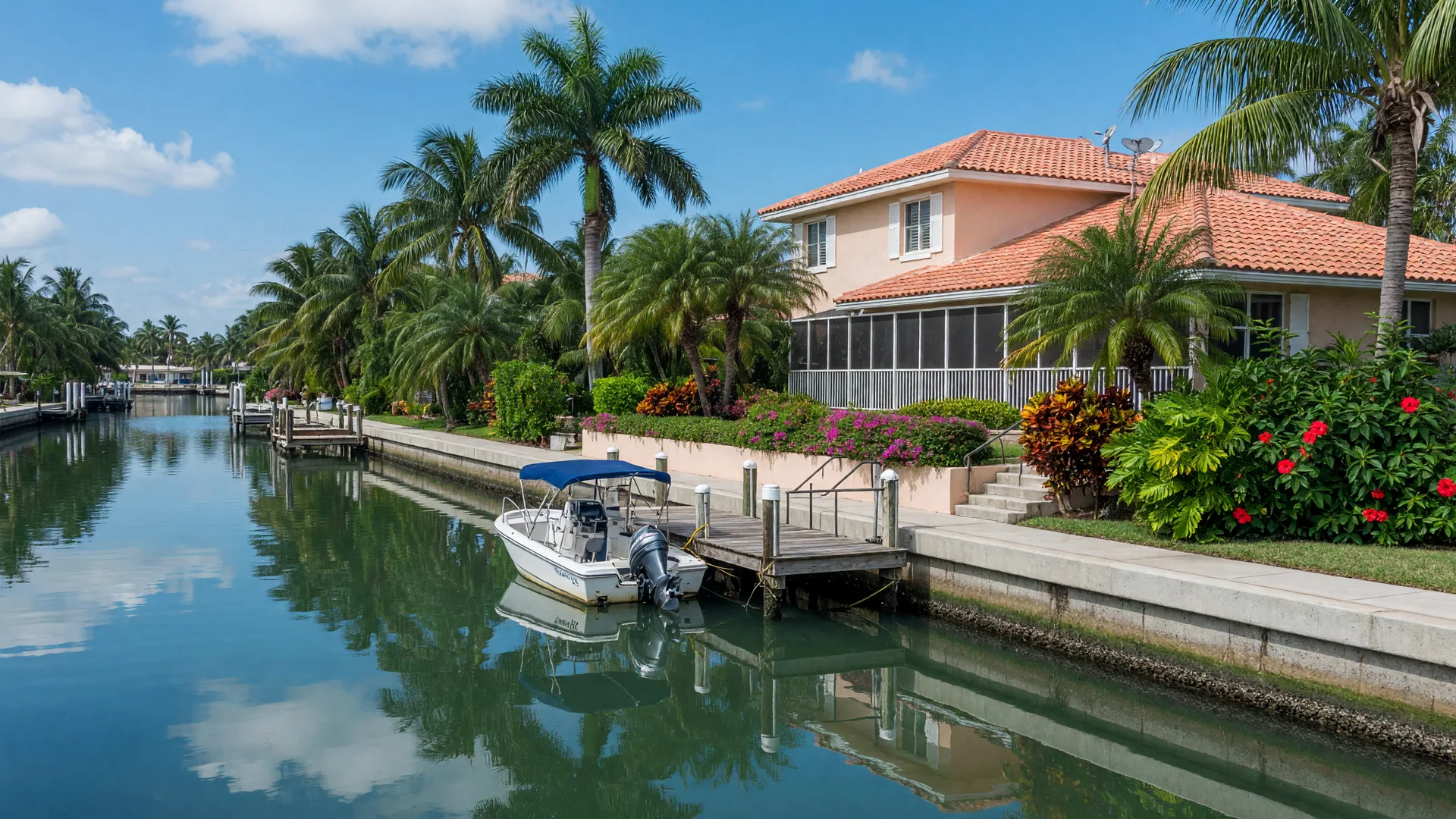
Special Considerations for Waterfront Buyers
If you are considering a waterfront home in Palm Beach County, there are additional factors to research beyond the flood zone designation:
- Seawall condition: The seawall protects your property from erosion and flooding. A seawall inspection by a marine contractor is a good investment before closing.
- Dock and boat access: If you plan to dock a boat, verify that the dock is properly permitted and in good condition. Check canal depth, bridge clearance, and any restrictions on boat size.
- Flood history: Ask the seller about past flooding, water intrusion, or drainage issues. A CLUE report can show past insurance claims on the property.
- Elevation certificate: Ask the seller if they have an elevation certificate. This document can save you money on flood insurance and should be transferred to you at closing.
For a detailed guide on docks, seawalls, and waterfront property considerations, see my dock and seawall guide and my flood zones and insurance page for Lake Clarke Shores.
What to Do When Buying a Home in a Flood Zone
If you are considering a home in a flood zone, here is a practical checklist:
- Look up the flood zone on the FEMA Flood Map Service Center or the Palm Beach County Property Appraiser's website before making an offer.
- Request an elevation certificate from the seller. If one does not exist, consider ordering one during the inspection period.
- Get a flood insurance quote before closing so you know the annual cost and can budget accordingly.
- Factor insurance into your monthly payment calculation. Your lender may require escrow for flood insurance, which adds to your monthly payment.
- Research flood history in the neighborhood. Talk to neighbors, check local drainage maps, and review any flood claims on the property.
- Work with an agent who understands flood zones. I can help you research flood zone designations, connect you with insurance professionals, and ensure you have a complete picture before making an offer.
Flood zones are a fact of life for many Palm Beach County properties, especially the waterfront homes that make this area so desirable. With the right information and preparation, buying in a flood zone is a manageable part of the home buying process. For a step-by-step look at how flood zones and insurance affect the purchase itself, from lender requirements to closing, see my guide to how insurance and flood zones affect a waterfront home purchase. I am happy to walk through the flood zone details for any property you are considering.
For more information on the costs of homeownership in Palm Beach County, see my guides on property taxes and homeowners insurance.
Thinking About a Home in a Flood Zone?
I can help you research flood zone designations, estimate insurance costs, and find waterfront or canal-side homes that fit your budget and risk tolerance.
Rhonda Townsend, REALTOR® · A.I. Certified Agent™ · 1st Real Estate Solution Inc.
(561) 236-9772 ·
rtownsendrealestate@gmail.com
Frequently Asked Questions
Sources
Sources referenced in this article:
- • FEMA Flood Map Service Center — Official Flood Maps
- • Palm Beach County Emergency Management — Flood Risk Assessment
- • National Flood Insurance Program (NFIP) — Flood Insurance Information
- • Palm Beach County Planning, Zoning and Building — Flood Zone Updates
- • Florida Department of Environmental Protection — Waterfront Construction Permitting
Disclaimer: This article is provided for general educational and real estate information only. Water access, depth, bridge clearance, dockage, flood information, insurance requirements, and boating suitability vary by property and should be independently verified. Consult qualified professionals regarding your individual circumstances.