Key Takeaways
- Since April 2022, every NFIP flood insurance policy has been priced under FEMA Risk Rating 2.0, which rates each home on its actual flood risk rather than the flood zone on the map alone.
- The biggest premium drivers are the first finished floor height relative to the Base Flood Elevation, the foundation and construction type, distance to the water, past flood claims, and your chosen deductible.
- Homes in a Special Flood Hazard Area with a federally backed mortgage are required to carry flood insurance; an NFIP policy covers a building up to $250,000 and contents up to $100,000.
- A new NFIP policy carries a standard 30 day waiting period before coverage begins, so plan your flood insurance well before closing on a Palm Beach County home.
- An elevation certificate is one of the most useful documents for getting an accurate premium, and it can be requested from the seller before you make an offer.
Most flood insurance premiums in Palm Beach County are now set by FEMA Risk Rating 2.0, which prices each home on its actual flood risk: how often flooding is likely, how close the property sits to water, how high the first finished floor sits relative to the Base Flood Elevation, the age and type of construction, the replacement cost, and the deductible you choose. For homes in a Special Flood Hazard Area, flood insurance is required when there is a federally backed mortgage, and the premium reflects that higher risk.
I'm Rhonda Townsend with 1st Real Estate Solution Inc., and I help buyers and sellers across West Palm Beach, Wellington, Lake Clarke Shores, and surrounding communities navigate waterfront purchases every week. My waterfront buyers routinely ask how flood insurance is priced, so this guide walks through the mechanics clearly: how premiums are set, what drives them up or down, and what paperwork gives you the most accurate quote.
If you are just getting oriented, my guide to flood zones and flood insurance covers the zone designations and requirements. This article goes one level deeper into exactly how the premium is calculated.
How Are Flood Insurance Premiums Set in Palm Beach County?
The National Flood Insurance Program (NFIP) used to price policies largely from the flood zone on the map. That changed with Risk Rating 2.0, which took effect for new policies in October 2021 and for all renewals in April 2022. Today each policy is rated on the property's individual flood risk, using data about the home, the neighborhood, and the surrounding watershed.
The practical effect for buyers is simple: two waterfront homes a street apart can have very different premiums, because their exact elevations, distances to the water, and construction details differ. A quote for your specific address is the only number that matters, which is why the steps below focus on getting the most accurate quote possible.
What Exactly Is a Special Flood Hazard Area?
A Special Flood Hazard Area (SFHA) is land that FEMA maps as high flood risk, shown on flood insurance rate maps as Zone A, AE, or AH in most of Palm Beach County, with Zone VE in coastal strips where waves add force to the flood. It is the area with a 1 percent annual chance of flooding, the "100 year floodplain" you may have heard described.
Whether your address falls in one of these zones depends on the current flood insurance rate map, and maps do change. The Palm Beach County Property Appraiser is a good place to start when you want to check the zone and the elevation for a specific property; your lender will also order a flood determination during the loan process.
What Factors Drive Your Flood Insurance Premium?
Under Risk Rating 2.0, FEMA looks at the whole risk picture for the property. The main factors:
- First floor height relative to the Base Flood Elevation: The single biggest lever. A home built well above the base flood elevation can qualify for a meaningfully lower premium than one built at or below it.
- Distance to the water and flood sources: Proximity to the Intracoastal, a canal, a lake, or the ocean increases the risk factors in the rating.
- Foundation and construction type: Whether the home sits on a slab, piers, pilings, or a crawlspace changes how floodwater behaves around it.
- Flood frequency and flood type: The rating accounts for storm surge, heavy rainfall, and riverine flooding, each with its own likelihood for your area.
- Replacement cost of the home: The building coverage amount is part of the rating, so insuring a larger or higher-value home costs more.
- Prior flood claims: A history of claims on the property raises the premium, which is one reason to ask the seller about past flooding.
- Your deductible: Choosing a higher deductible lowers the premium, with more out-of-pocket cost if you ever file a claim.
FEMA caps how fast premiums can rise each year for primary residences, with increases phased in over time. If you buy a home that is already insured, ask what the current premium is and what it could become, so there are no surprises in the second year.
Why Your Elevation Certificate Matters for Your Premium
An elevation certificate is a document prepared by a licensed surveyor or engineer that records how high the home sits relative to the Base Flood Elevation, along with the foundation type and lowest floor details. Insurers use it to price your policy accurately, and without one the quote may be based on less favorable assumptions.
Ask the seller for the elevation certificate before you make an offer. Many waterfront homeowners have one on file from their own purchase or from a recent refinance. If it does not exist, ordering one during the inspection period is a smart investment because it protects you from paying more than necessary for years. For a deeper look at the permit and inspection side of waterfront systems, see my guide to seawalls, docks, and water access.
How Much Flood Insurance Coverage Do You Need?
NFIP residential policies cover a building up to $250,000 and contents up to $100,000. If your home's replacement value is higher, you can add a private flood insurance policy on top of or instead of the NFIP policy for additional capacity, something many higher-value waterfront homes do.
Coverage choices matter beyond the dollar amount. Building coverage protects the structure, while contents coverage protects furniture, appliances, and personal belongings. Many lenders require contents coverage as well, and most waterfront buyers choose it after a hurricane season or two.
One more option is worth knowing: private flood insurers now compete with the NFIP in Florida, and some offer higher coverage limits than the NFIP building cap, sometimes at a competitive rate. Rates and terms vary by carrier and by property, so it makes sense to compare an NFIP quote with a private market quote side by side, and to revisit the policy at renewal just as you would your homeowners insurance. Your insurance agent can pull both quotes and walk you through the differences in coverage and claim handling.
When Does Flood Insurance Take Effect?
A new NFIP policy comes with a standard 30 day waiting period before coverage begins. There are exceptions: the wait is waived when you buy coverage in connection with making, increasing, extending, or renewing a mortgage, and it is shortened when a home is newly mapped into a high-risk zone and you buy within 13 months of the map revision.
The practical advice for buyers is the same either way: start your flood insurance conversation early, in parallel with your mortgage application, and confirm the effective date in writing. Do not assume coverage begins at closing, especially if settlement lands near a storm. FEMA's FloodSmart page on buying a policy spells out the waiting period rules, and the FEMA flood insurance page covers coverage limits and requirements.
What Does This Mean for Waterfront Buyers in Lake Clarke Shores and Beyond?
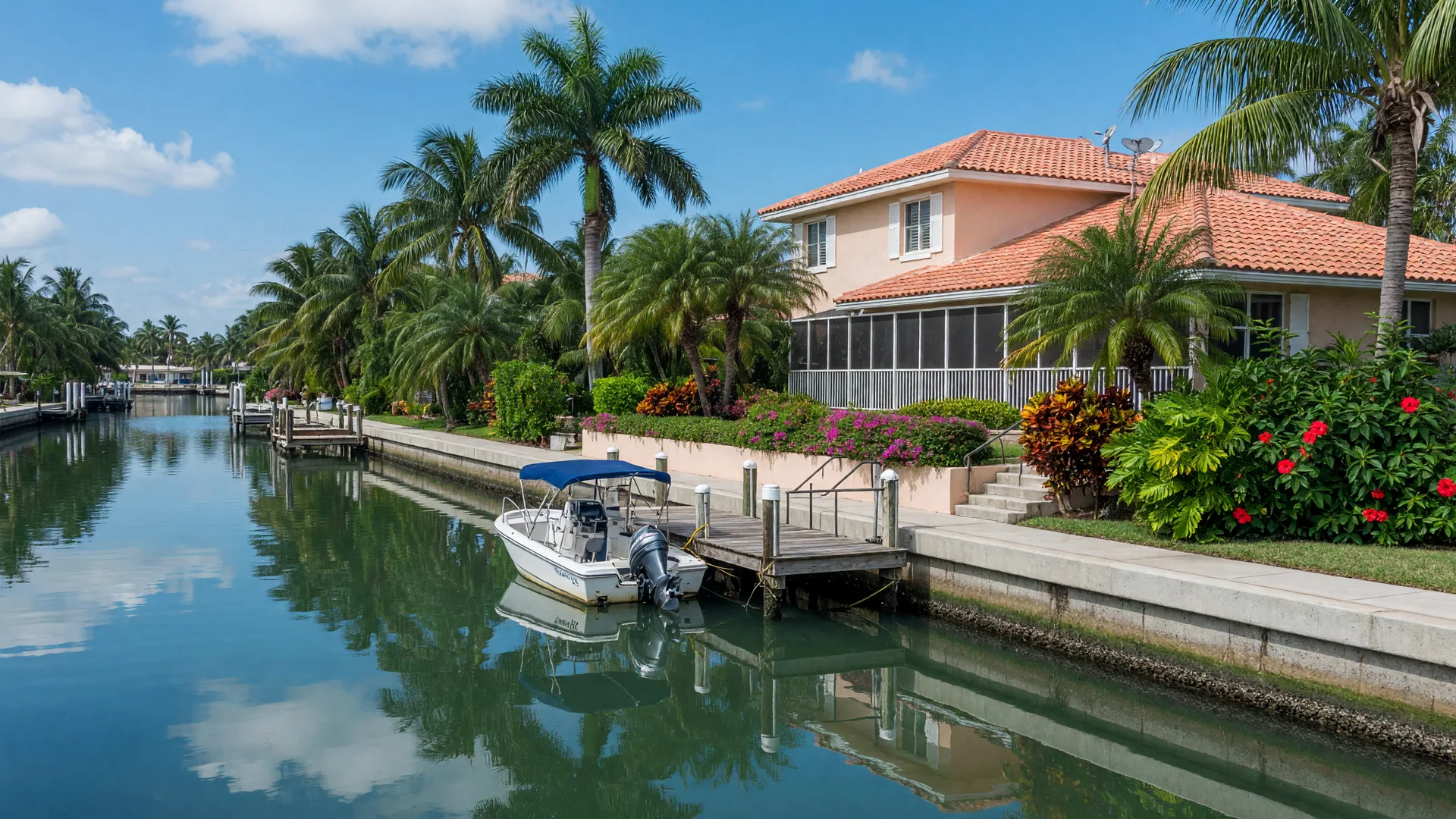
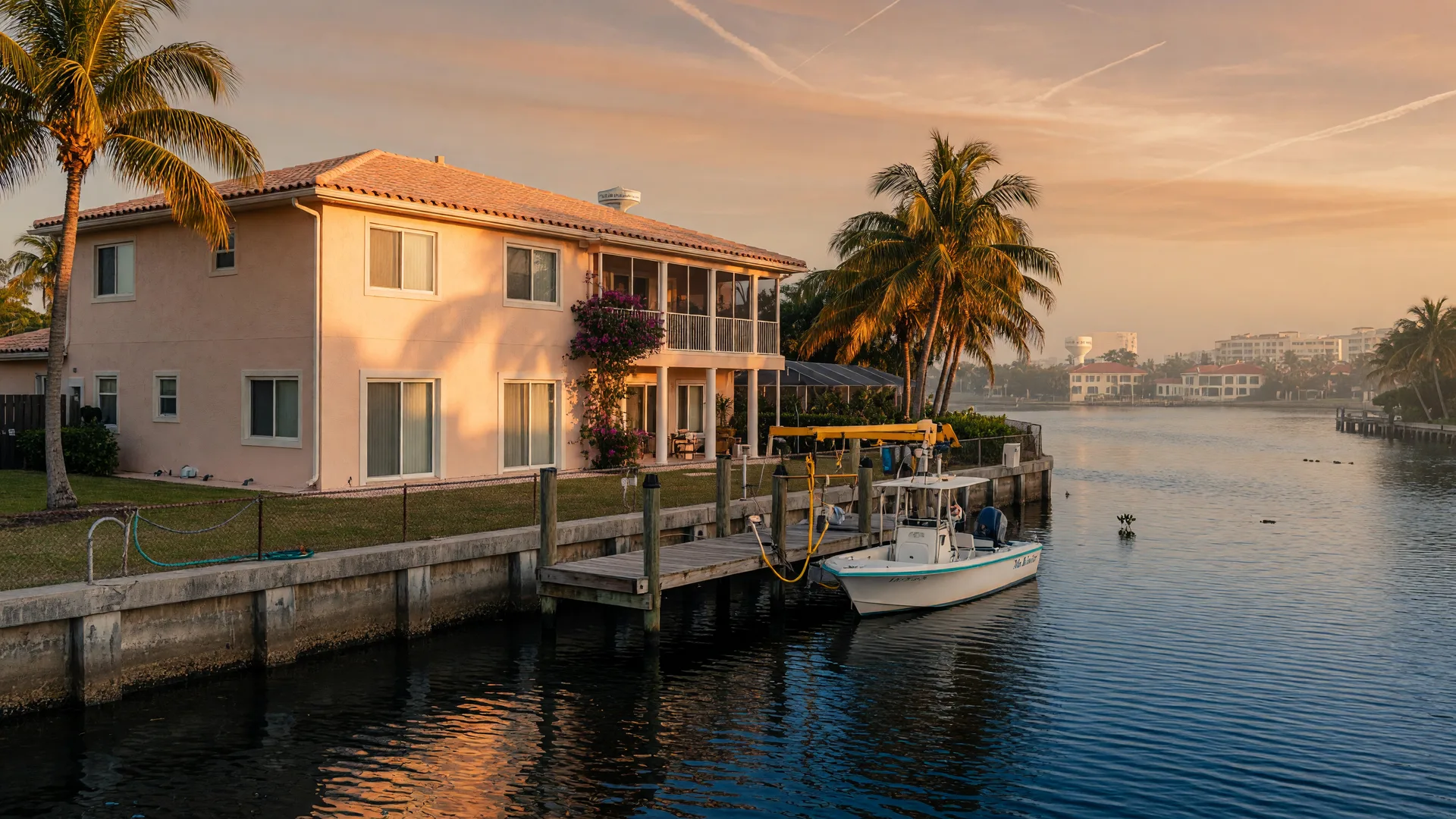
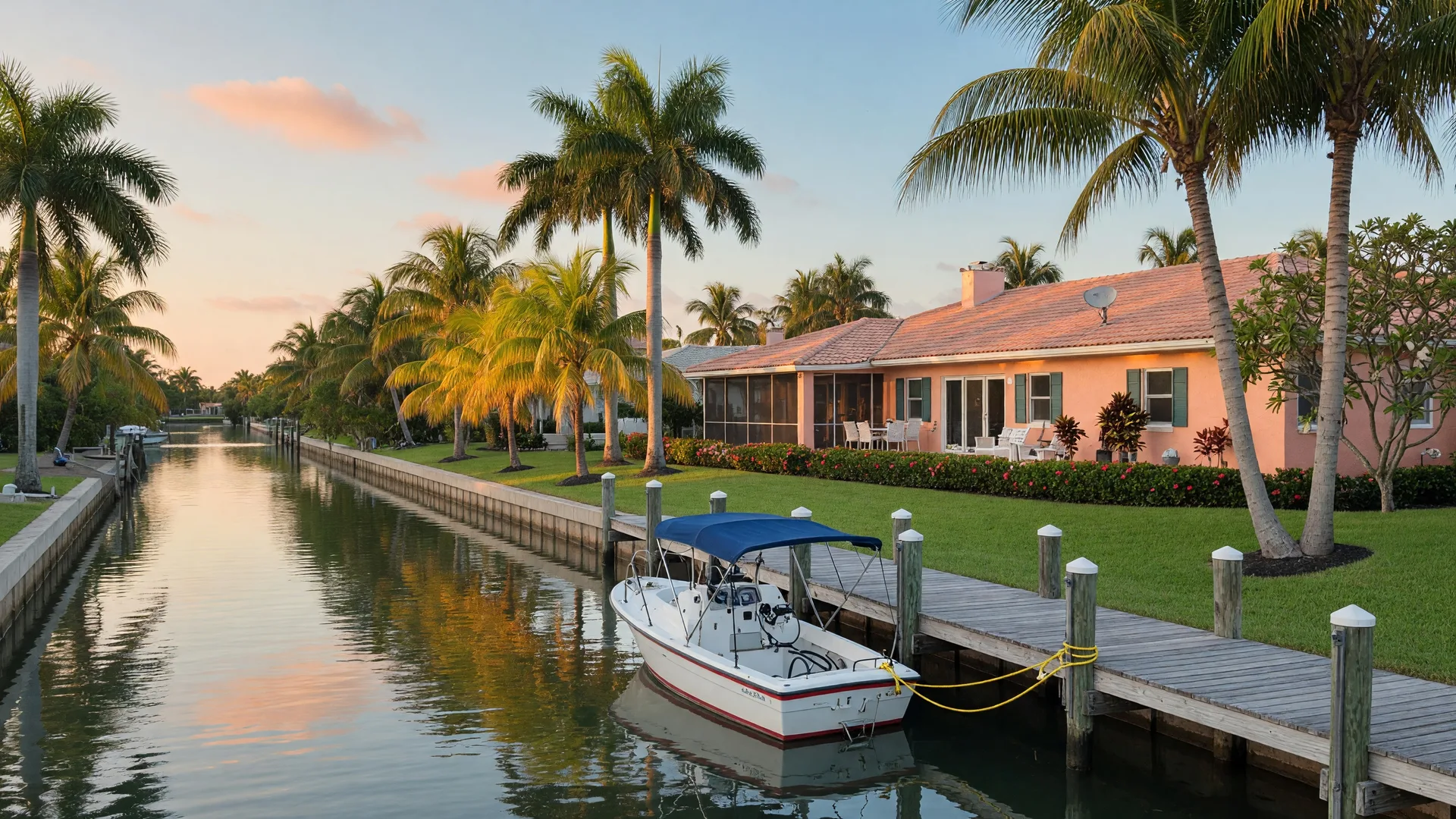
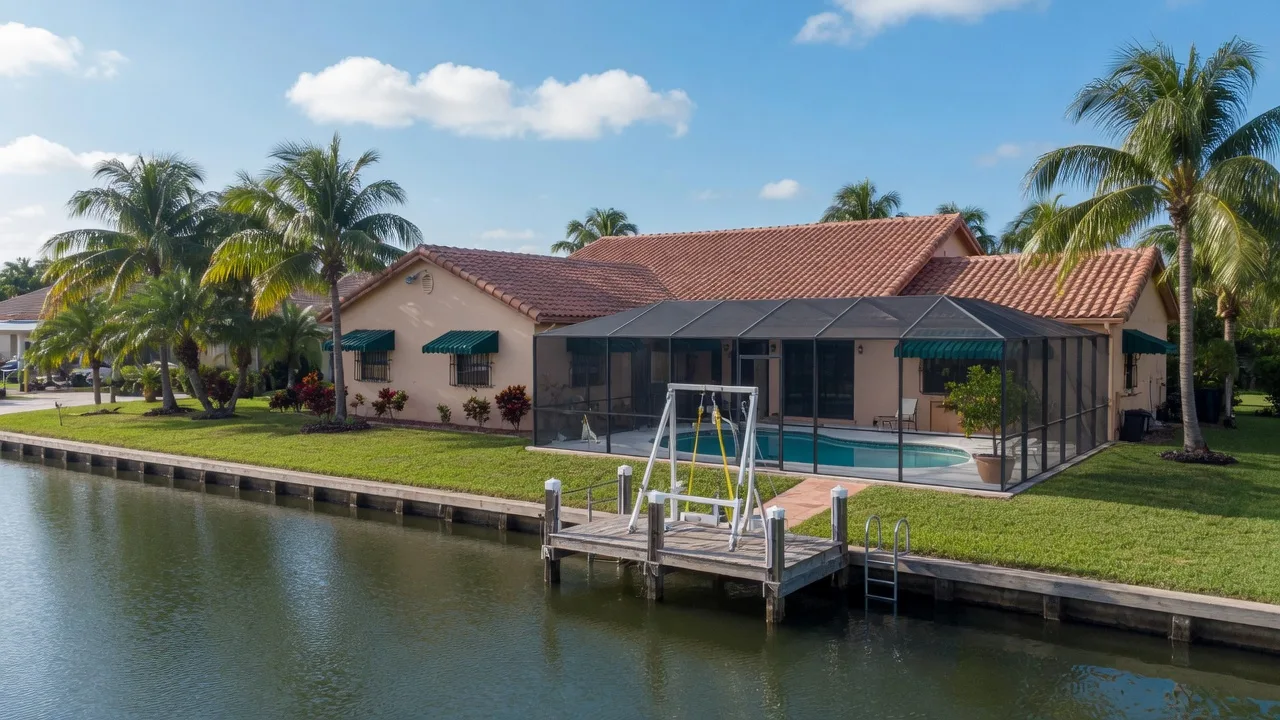
Lake Clarke Shores is one of Palm Beach County's classic waterfront towns, with canal-front homes that put boats and the lake at the back door. Most of those properties sit in mapped flood zones, which is simply part of the waterfront lifestyle there, and buyers who understand the rating system can budget for it confidently. The Lake Clarke Shores community page describes the canal-front neighborhoods, and my Lake Clarke Shores flood zones and insurance page goes area specific.
The same principles apply across West Palm Beach, Wellington, Jupiter, Palm Beach Gardens, and the rest of the county: check the zone, get the elevation certificate, request a quote for the exact address, and plan the waiting period into your closing timeline. My waterfront homes page has more on what to look for when you start touring properties.
If you are comparing waterfront homes and want someone to walk you through the flood zone, elevation, and insurance picture for each property, call me at (561) 236-9772 or email rtownsendrealestate@gmail.com. We can research any address together before you make an offer.
Thinking About a Waterfront Home?
Flood risk is part of the picture for most waterfront properties in Palm Beach County, but it is also very manageable with the right information. I can help you research the flood zone, the elevation, and the insurance picture for any property you are considering.
Rhonda Townsend, REALTOR® · A.I. Certified Agent™ · 1st Real Estate Solution Inc.
(561) 236-9772 ·
rtownsendrealestate@gmail.com
Frequently Asked Questions
Sources
Sources referenced in this article:
- • FEMA National Flood Insurance Program — Coverage and Waiting Period Details
- • FloodSmart.gov (FEMA) — Buy a Flood Insurance Policy
- • Palm Beach County Property Appraiser — Property and Flood Information for Palm Beach County
Disclaimer: This article is provided for general educational and real estate information only. It is not legal, tax, financial, insurance, environmental, engineering, or property-inspection advice. Real estate requirements, costs, risks, policies, and market conditions vary by property and may change. Consult qualified professionals regarding your individual circumstances.