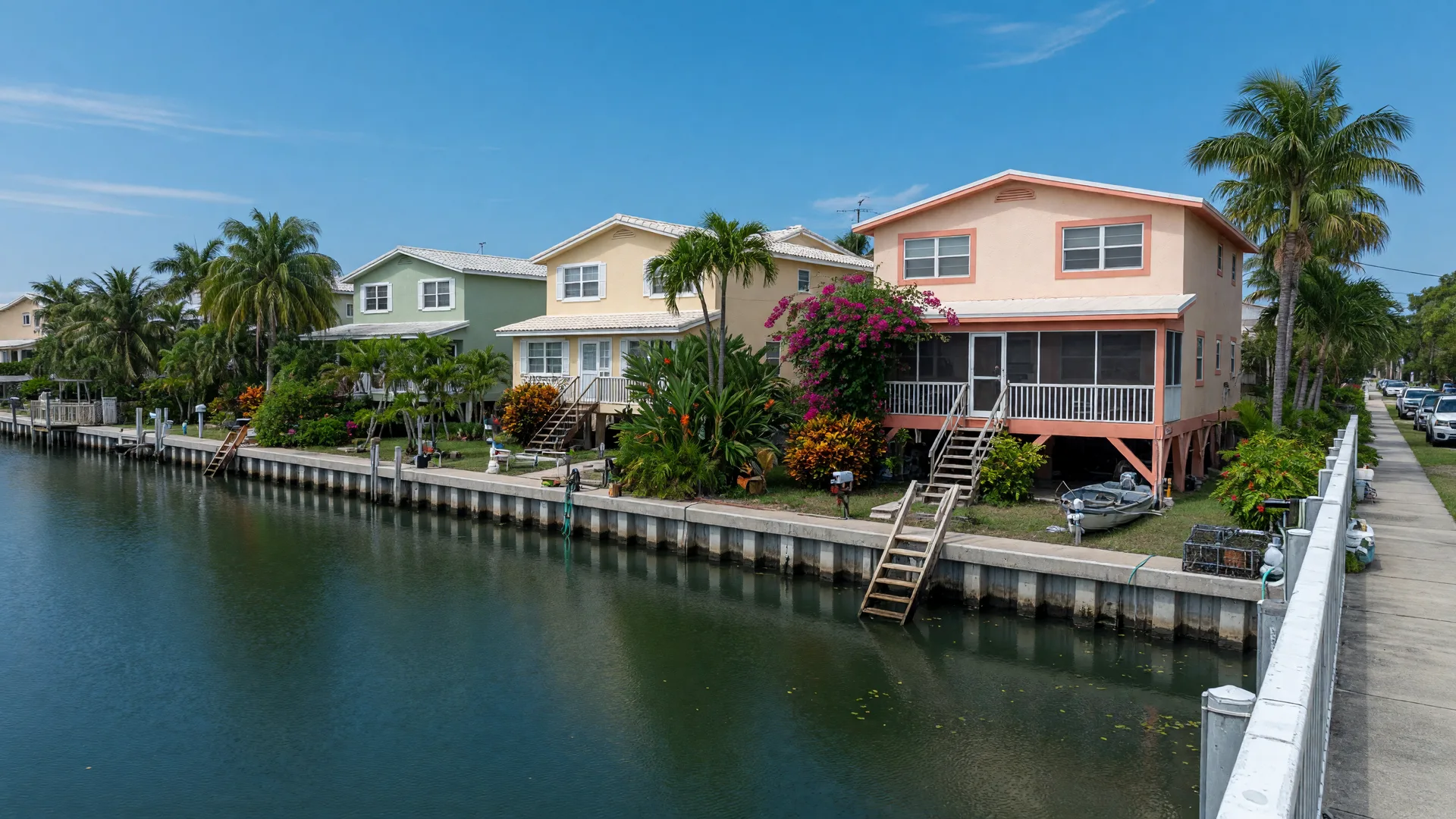
Lake Clarke Shores Guide
Flood Zones and Insurance in Lake Clarke Shores
A comprehensive guide to FEMA flood zones, insurance requirements, and costs for waterfront properties in Lake Clarke Shores.
Understanding flood zones and insurance requirements is one of the most important steps when buying a waterfront home in Lake Clarke Shores. Most properties along the canals and Intracoastal Waterway are in FEMA-designated flood zones, which means flood insurance is required for mortgaged properties — and strongly recommended even for cash buyers. This guide explains the different flood zone designations, how they affect insurance costs, what an elevation certificate is, and how these factors impact property value and the buying process. Rhonda Townsend helps every waterfront buyer understand these considerations before making an offer.
Understanding FEMA Flood Zones
FEMA flood maps designate areas based on flood risk. Your property's zone determines insurance requirements, costs, and some building regulations.
Flood Zones in Lake Clarke Shores
Lake Clarke Shores properties fall into several FEMA flood zone designations, each with different insurance requirements and cost implications.
Zone AE (100-year floodplain)
Zone VE (Coastal high-hazard)
Zone X (Minimal flood risk)
Typical Annual Flood Insurance Premium
$800 – $5,000+
Zone AE is the standard 100-year floodplain designation covering most canal-front properties in Lake Clarke Shores. Zone VE applies to properties along the Intracoastal Waterway with higher wave action risk and typically commands higher insurance premiums. Zone X covers areas with minimal flood risk and may not require insurance but still carries some risk during heavy rainfall events.
Flood Insurance Options
Flood insurance is available through the National Flood Insurance Program (NFIP) and private carriers. Understanding your options helps you make cost-effective choices.
NFIP Coverage
The National Flood Insurance Program offers up to $250,000 in building coverage and $100,000 in contents coverage. Rates are standardized by zone and elevation. There is a 30-day waiting period before coverage takes effect.
Private Insurance
Private flood insurance can offer higher coverage limits, lower rates for low-risk properties, and additional coverage like loss of use. Policies may have shorter waiting periods but can be more selective about which properties they insure.
Elevation Certificates Explained
An elevation certificate is one of the most important documents for a waterfront property. It provides the data insurers use to calculate your flood insurance premium.
What an Elevation Certificate Shows
Prepared by a licensed surveyor, the certificate shows the elevation of the lowest floor relative to the base flood elevation. It also indicates the flood zone, building characteristics, and whether the property is in a floodway.
Why It Matters for Insurance
A property with its lowest floor well above the base flood elevation may qualify for significantly lower insurance rates. Without an elevation certificate, insurers use the lowest available rate, which is usually the most expensive. Getting a new certificate can save hundreds annually.
How to Get One
Ask the seller if they already have an elevation certificate for the property. If not, a licensed surveyor can prepare one for $200 to $600. The cost is well worth it if the certificate reveals favorable elevation that qualifies for lower insurance rates.
Who Should Read This Guide?
Waterfront Buyers
All Lake Clarke Shores waterfront buyers need to understand flood zone designations and insurance costs before making an offer.
Current Owners
Existing waterfront homeowners should review their flood zone status and insurance coverage regularly, especially when FEMA maps are updated.
Sellers
Having an elevation certificate and current flood insurance information ready can streamline the sale process and build buyer confidence.
Tips for Reducing Flood Insurance Costs
Get an Elevation Certificate
This is the single most effective step for reducing flood insurance costs. A favorable elevation can cut your premium significantly. Even if you pay $500 for the certificate, it can pay for itself in the first year of lower premiums.
Compare NFIP vs Private Insurance
Get quotes from both NFIP and private carriers. Private insurers may offer lower rates for well-elevated properties or those in lower-risk zones. An insurance agent who specializes in waterfront properties can help you compare options.
Choose a Higher Deductible
NFIP policies offer deductibles ranging from $1,000 to $10,000. Choosing a higher deductible can reduce your annual premium. Make sure you have sufficient savings to cover the deductible if you need to file a claim.
Consider Flood Mitigation Improvements
Raising utilities above the base flood elevation, installing flood vents, or elevating the structure can reduce insurance costs over time. Some mitigation improvements may qualify for grants or reduced rates through FEMA's Community Rating System.
Frequently Asked Questions
Common questions about flood zones and insurance in Lake Clarke Shores, Florida.
About Rhonda Townsend
Rhonda Townsend is a REALTOR with 1st Real Estate Solution Inc. who has been helping buyers and sellers in Palm Beach County for over 13 years. She helps waterfront buyers understand flood zones, elevation certificates, and insurance costs before making an offer. With personal boating experience and a deep understanding of the Lake Clarke Shores market, Rhonda ensures you know exactly what you are getting into when buying a waterfront property. Learn more about Rhonda →
Let's Find Your Waterfront Home
Thinking about buying in Lake Clarke Shores? Contact Rhonda Townsend at 1st Real Estate Solution Inc. for a personalized market review.
Let's Talk About Your Next Move
Whether you're buying, selling, or just exploring your options — I'm here to help.
Thank You!
Your message has been sent. I'll get back to you shortly.
Something went wrong. Please try again or call me directly at (561) 236-9772.