Key Takeaways
- County-wide Census data shows a homeownership rate near 69% in Palm Beach County, with a median owner-occupied home value around $407,000 and a median gross rent around $1,818 per month.
- Buying typically rewards a longer time horizon,because upfront closing costs take time to offset; renting offers flexibility and lower upfront commitment.
- Compare the complete monthly picture: mortgage principal and interest,property taxes,insurance,association dues,and maintenance versus rent,renters insurance,and utilities.
- Neighborhood-level prices vary widely across Wellington,West Palm Beach,Lake Clarke Shores,and other communities,so county averages are onlya starting point.
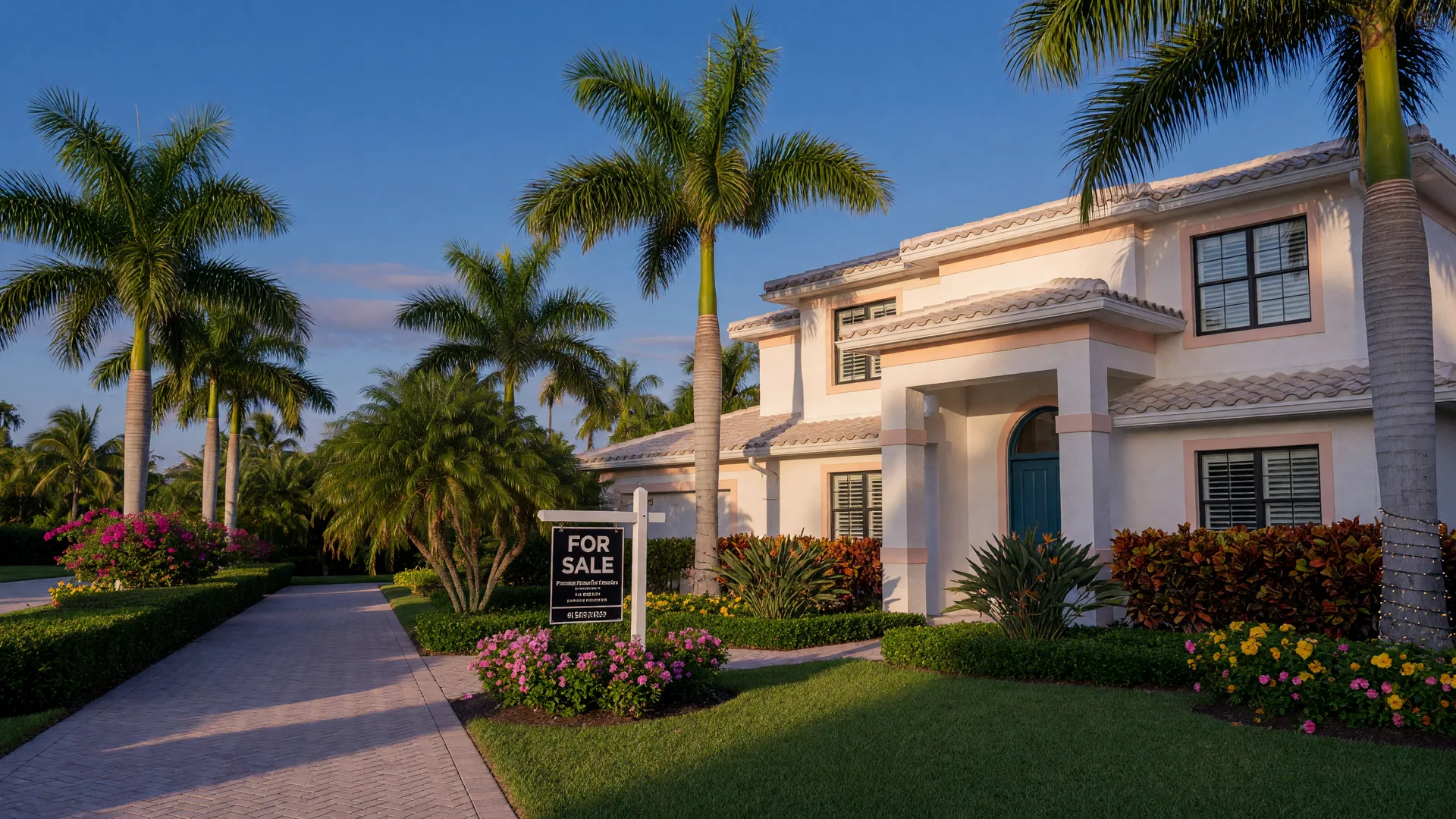
Deciding between renting vs buying in Palm Beach County comes down to your timeline,finances,plans,and the kind of home you want. County-wide Census data shows a homeownership rate around 69%,a median owner-occupied home value around $407,300,and a median gross rent around $1,818 a month,but those averages hide a lot of variation across the county. This guide lays out the numbers to compare,and the questions to ask,to so you can make a decision that fits your life.
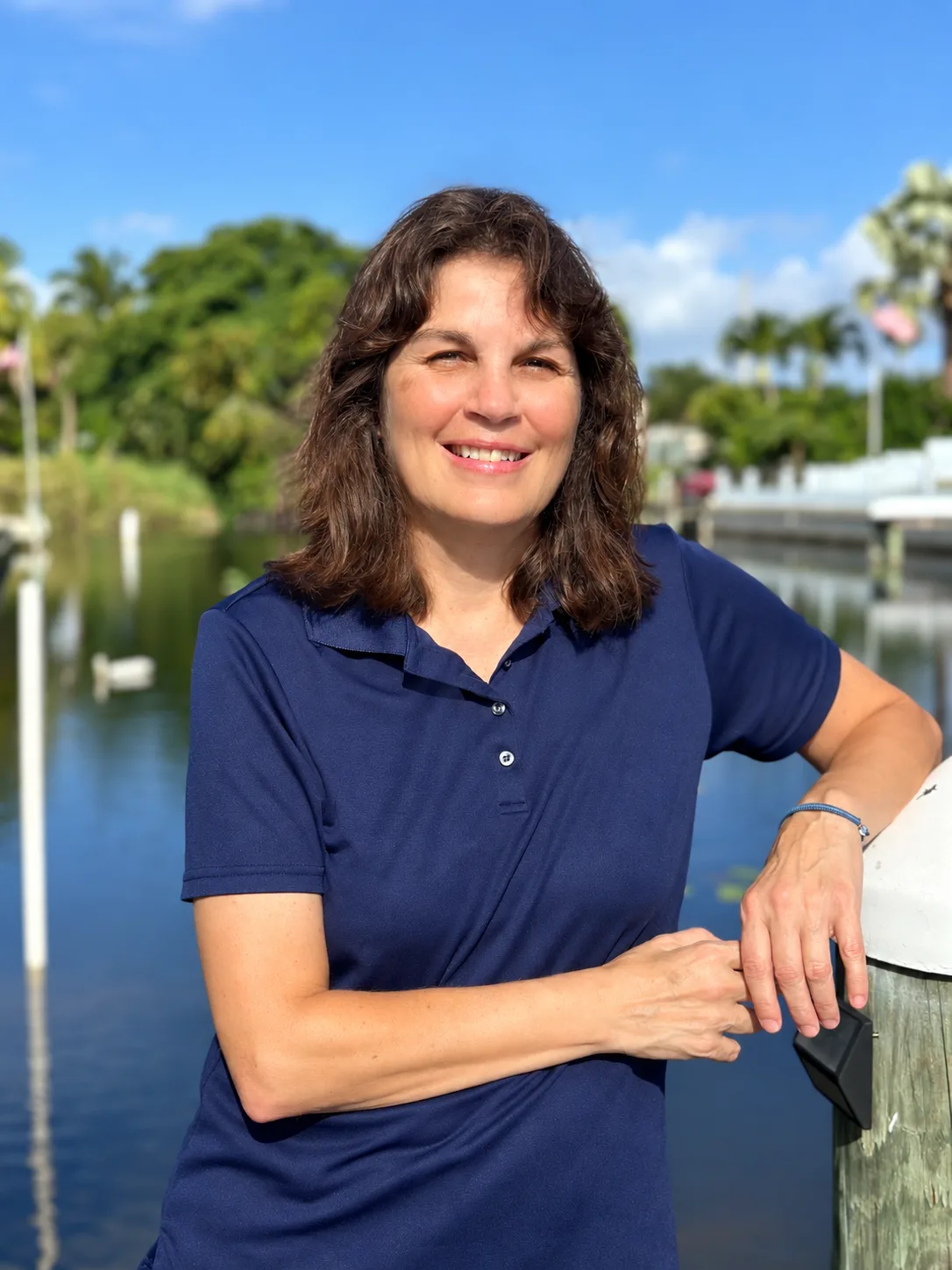
I'm Rhonda Townsend with 1st Real Estate Solution Inc.,and I have helped buyers and sellers across Palm Beach County,from Wellington to West Palm Beach to Lake Clarke Shores,work through moves at every stage of life. Some clients rent for a season,some buy right away,and many are genuinely torn between the two. If you have been going back and forth on this question,this guide is for you.
How Do Rents and Home Values Compare in Palm Beach County?
According to theU.S. Census Bureau QuickFacts,Palm Beach County has a homeownership rate near 69%,a median value for owner-occupied housing units around $407,300,and a median gross rent around $1,818 per month,using recent American Community Survey five-year estimates. These are useful context,but day county-wide averages that blend expensive waterfront communities with more moderate inland areas.
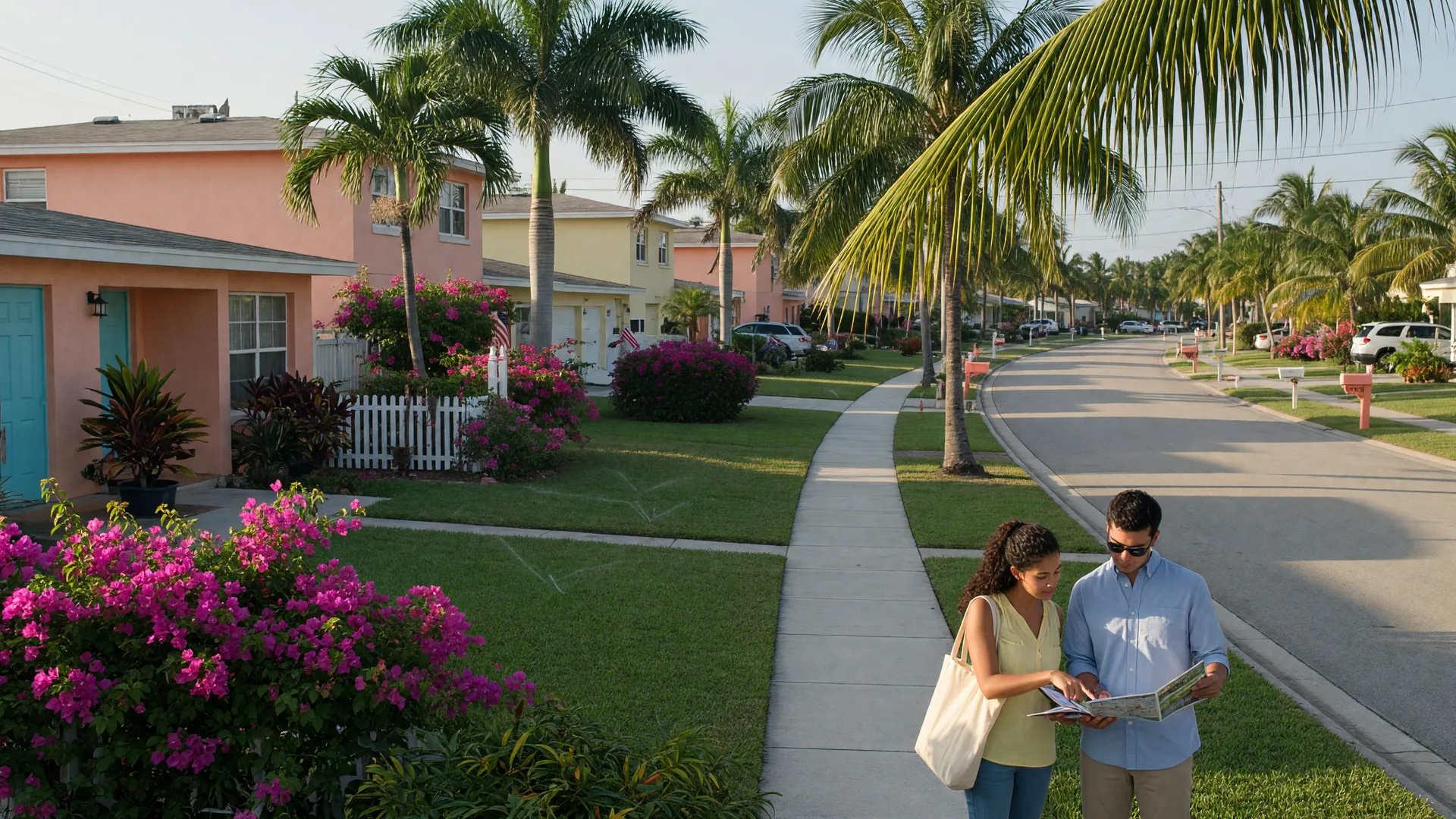
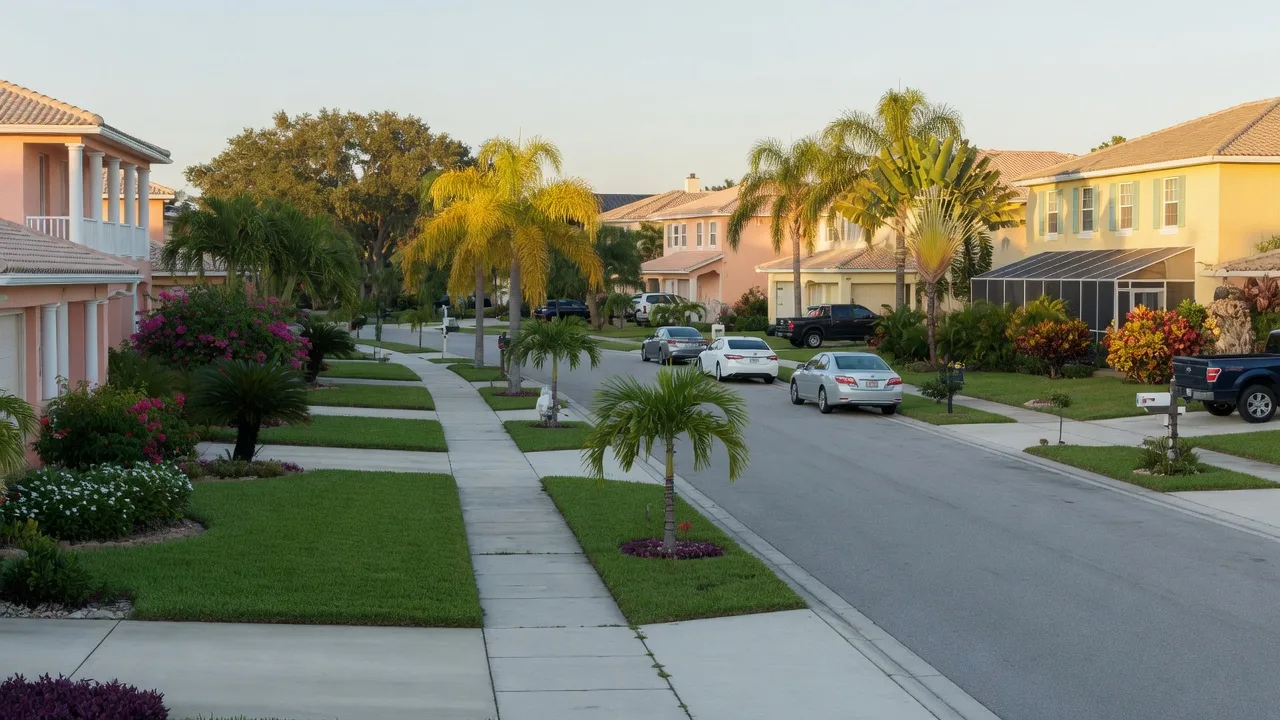
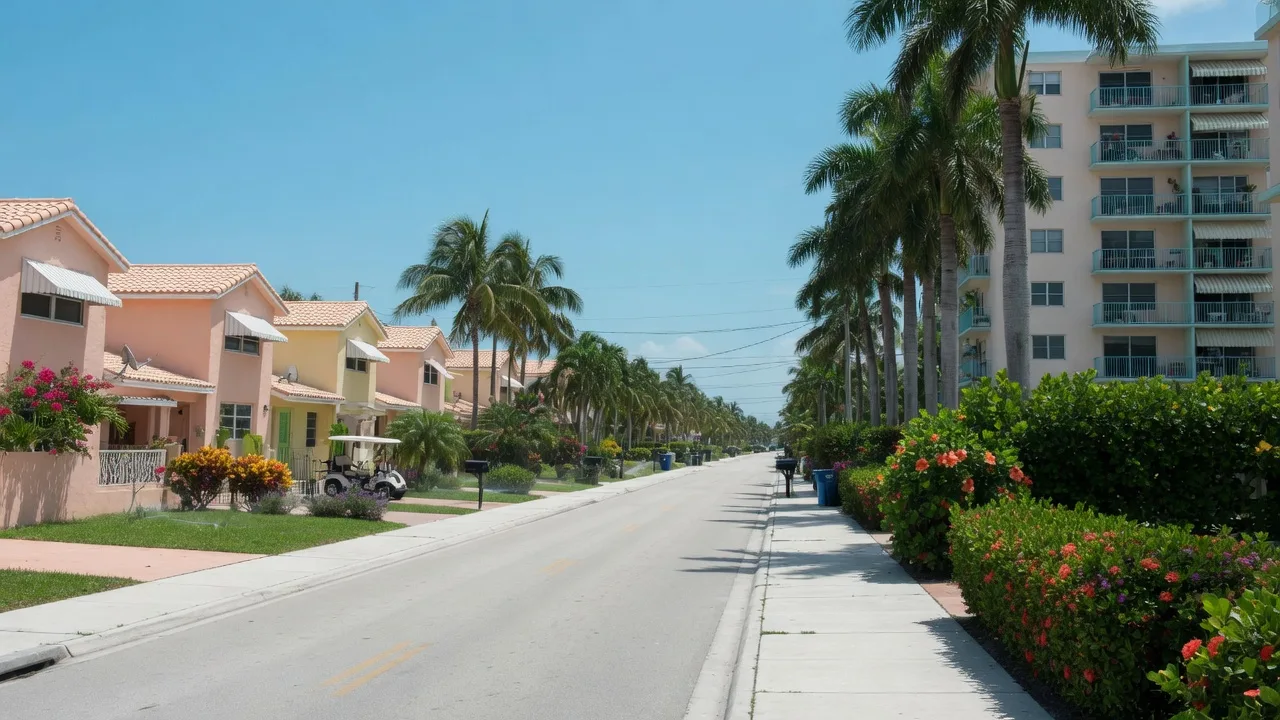
Your actual comparison will depend on neighborhoods you like. A condo or single-family home in West Palm Beach,a waterfront property in Lake Clarke Shores,and a horse-property lifestyle in Wellington,and all carry very different price tags,and rents differ just as much. MyWellington neighborhood guide and the other community pages on this site give you a feel for each area housing mix,and I can always pull recent sales,and rents,for streets you are considering during a real search.
What Are the Financial Benefits of Buying a Home?
The main financial argument for buying is that ownership builds equity over time,instead of paying rent that buys someone else's asset. As you pay down a fixed-rate mortgage,the principal portion grows,and your monthly payment stays more predictable than rent,which tends to rise over the years. Many owners also find the home itself to be a form of savings,though values move with the market,and there are never guarantees about appreciation. HUD offersbuyer-oriented resources for first-time purchasers,including programs that can reduce down payment barriers for eligible households. Checking those with a local lender helps you understand your real options before comparing them with renting.
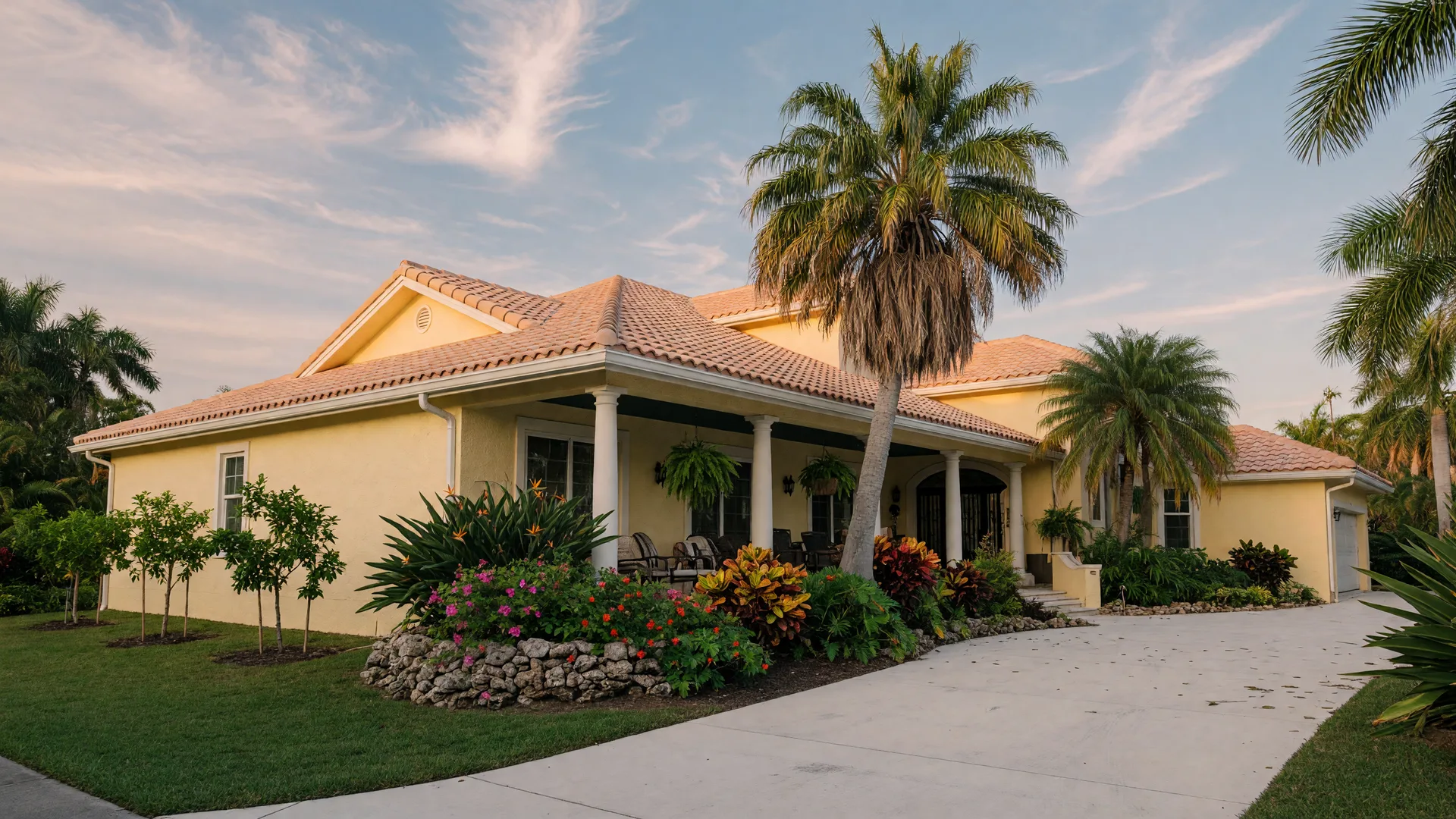
Buying also gives you control: the kitchen,they paint,the floor plan,the yard,and the community itself are yours to shape. For people who want roots,stability,and the freedom to make a place their own,that control has real value beyond the dollars. Pairing that perspective with the numbers,instead of ignoring either,is the honest way to decide.
What Are the Upfront and Monthly Costs of Each Path?
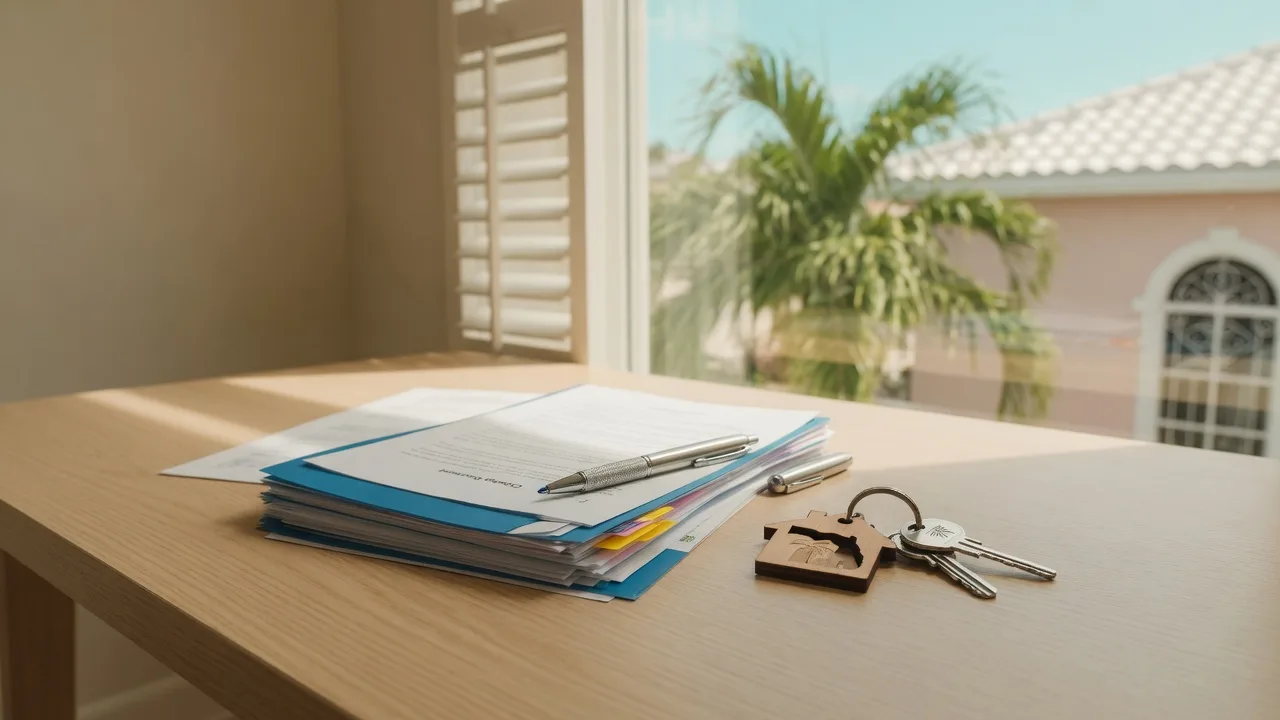
The cleanest way to compare renting and buying isto line up the costson each side. Upfront,a buyer typically saves for a down payment,and pays closing costs,which include lender fees,title insurance,recording fees,taxes,and prepaid items. A renter typically pays a security deposit,and occasionally application or move-in fees,and maybe first months rent in advance. Myclosing costs guide walks through what Palm Beach County buyers should budget for,in more detail.
Monthly,an owner pays mortgage principal and interest,property taxes,homeowners insurance,and possibly flood insurance,association dues,and maintenance that comes due as homes age. A renter pays rent,renters insurance,and utilities,and the landlord carries most repair risk)). The monthly comparison should include every line item,not justthe mortgage payment versus the rent check,which is wherebuyers sometimes underestimate the true cost of ownership. Those association dues deserve extra attention in communities that have them,so if you are looking at condosor planned neighborhoods,read myHOA fees and association documents guide before you commit.
How Long Should You Plan to Stay Before Buying?
Buying involves significant upfront costs,and those costs take time to offset through equity,and appreciation. The longer you expect to stay in a home,the more room ownership has to work in your favor,and the shorter your horizon,the more renting flexibility may win out. Many financial planners suggest thinking in terms of several years when you buy,though individual numbers differ based on price,fees,financing,and how the community appreciates.
Your life plans matter as much as the math. If you expect a job transfer,military orders,family changes,or another shift within a year or two,renting can keep you nimble. If you are settling into a community,planting roots,and planning to stay,ownership often becomes more attractive. First-time buyers can see the full sequence of steps in myfirst-time home buyer guide,which starts at the pre-approval stage,and mybuying guide covers the broad process end to end.
What Should You Consider Beyond the Numbers?
Money is only part of the decision. Renting typically offers more flexibility to move,more predictable monthly costs,no repair responsibility,and fewer strings attached. Buying offers stability,control,and the ability to put down roots in a community you choose,and it comes with maintenance,responsibility,and long-term commitment. Which trade-offs feel right depends on your personality,and stage of life,and goals.
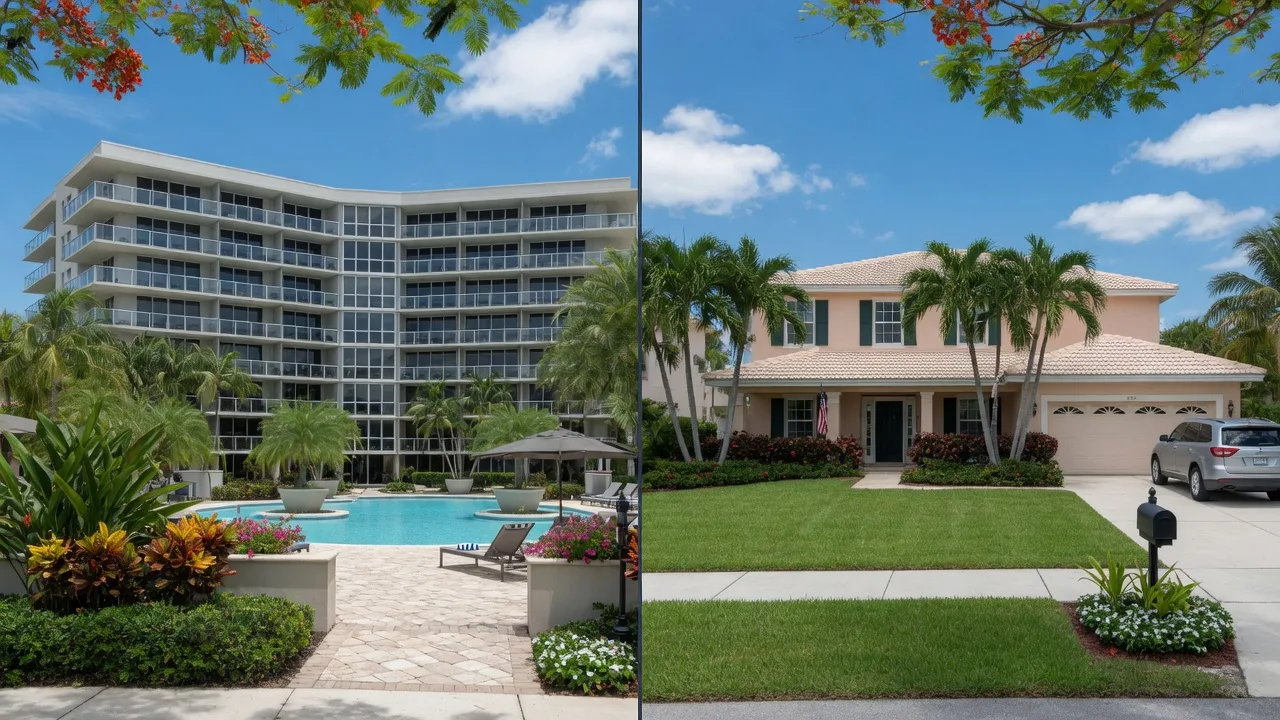
Community matters too. Whether you rent or buy,the neighborhood you choose shapes your daily life:your commute,parks,shopping,waterways,and the people around you. Palm Beach County has a wide range of communities,and the same neighborhood can suit a renter,and an owner,well depending on the building or home type. Talking through how you actually want to live,and what matters most,helps you avoid picking a form of housing that fights your lifestyle.). If you are also thinking about buying eventually,understanding the difference between condo and single-family living is a good next step,and mycondo versus single-family comparison covers those trade-offs.
How Do You Decide What Is Right for You?
You do not need a spreadsheet to start the decision,but asking a few direct questions helps. Work through these,but talk them over with a lender,and with me,and with trusted professionals,before deciding:
- What is your timeline? How long do you realistically expect to stay in the next home,whether rent or buy?
- What can you comfortably afford? Compare your full monthly costs,and your savings,for each path,and leave room for the unexpected.
- What kind of home fits your life? Consider space,maintenance,amenities,location,and whether association living works for you.
- How much does flexibility matter? Weigh your career,and family plans,and how nimble you need to be over the next few years.
- What does the community offer? Picture your week in each neighborhood you like,and whether it supports the life you want.
If you are leaning toward buying,I would love to help you explore the neighborhoods,and homes,that fit your budget,and your plans. If you are still deciding,that is okay too:the conversation alone often clarifies what you are really looking for. You can reach me at(5613) 236-9772 orrtownsendrealestate@gmail.com,or schedulea consultation,whenever you are readyto talk about your next move.
Not Sure Whether to Rent or Buy?
Your timeline,budget,and plans all matter. Tell me where you are in the decision,and I can help you think through the numbers,and the right neighborhoods,and what your next step might look like in Palm Beach County.
Rhonda Townsend, REALTOR® · A.I. Certified Agent™ · 1st Real Estate Solution Inc.
(561) 236-9772 ·
rtownsendrealestate@gmail.com
Frequently Asked Questions
Sources
Sources referenced in this article:
- • U.S. Census Bureau QuickFacts — Palm Beach County housing data
- • U.S. Department of Housing and Urban Development (HUD — Renting resources
- • U.S. Department of Housing and Urban Development (HUD — Buying a home resources
Disclaimer: This article is provided for general educational and real estate information only. It is not legal, tax, financial, insurance, environmental, engineering, or property-inspection advice. Real estate requirements, costs, risks, policies, and market conditions vary by property and may change. Consult qualified professionals regarding your individual circumstances.