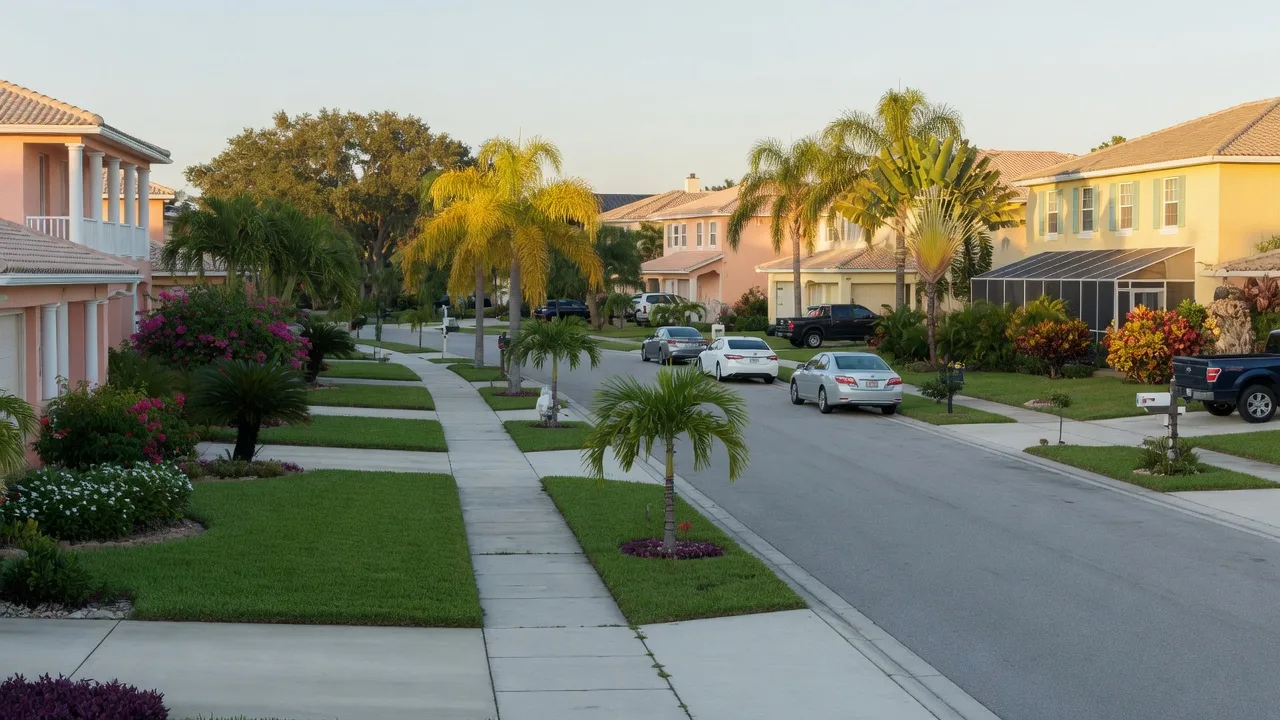

Key Takeaways
- HOA or condo association fees cover shared expenses such as maintenance, insurance, amenities, management, and reserves, and they vary widely by community in Palm Beach County.
- Before buying, review the key documents: the budget, reserves, financial statements, meeting minutes, rules, and the declaration or governing documents.
- Florida condominium associations are regulated by the Department of Business and Professional Regulation under Chapter 718, while homeowners associations follow Chapter 720.
- A reserve study shows whether a community is setting aside enough money for big future repairs, which helps you anticipate special assessments.
- Monthly dues are only part of the picture; a healthy budget and adequate reserves matter as much as the fee amount itself.
HOA fees in Palm Beach County cover shared community expenses such as landscaping, amenities, common-area insurance, management, and reserves for future repairs. Before you buy in a community with an association, the smartest thing you can do is review the dues, budget, reserves, and governing documents, because those numbers directly affect your monthly cost and the health of the community you will be joining.
I'm Rhonda Townsend with 1st Real Estate Solution Inc., and I help buyers throughout Palm Beach County, from West Palm Beach to Wellington to Lake Clarke Shores, sort through the details that make one property a better fit than another. Association fees are one of those details, and this guide walks through what they cover, how to read the documents, and what to ask before you make an offer.
What Are HOA Fees and What Do They Cover?
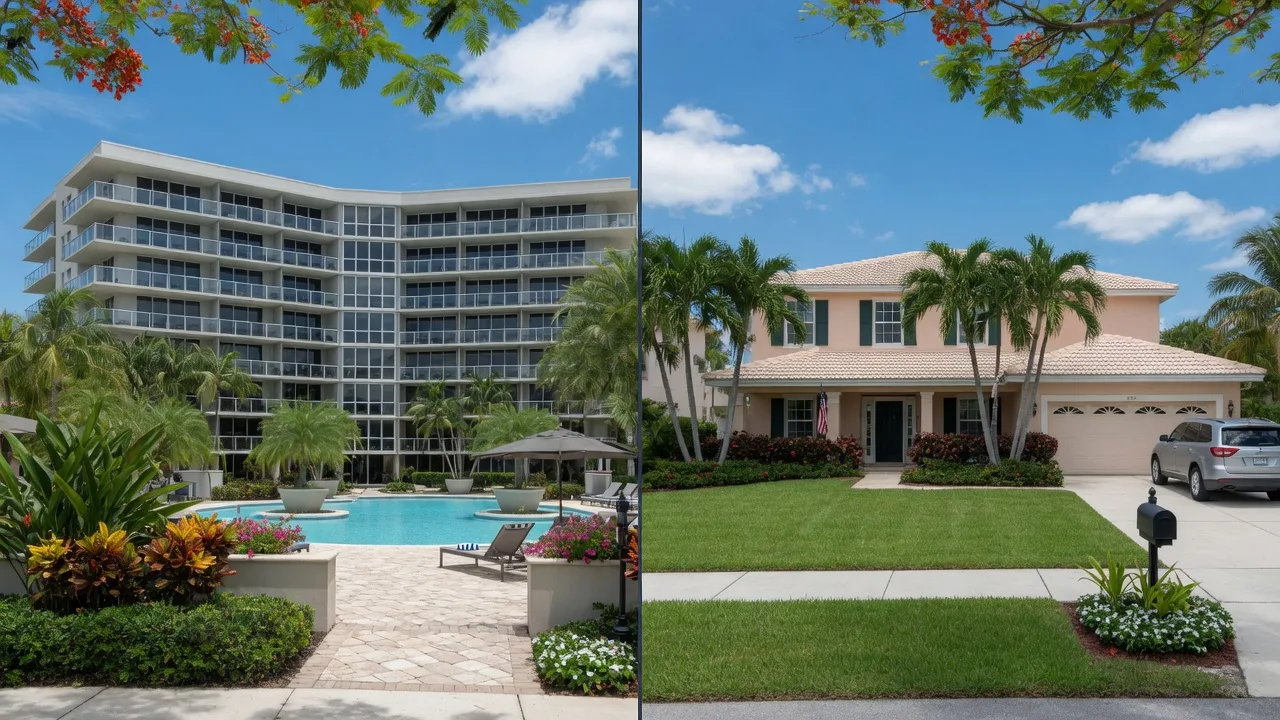
A homeowners association (HOA) uses monthly or annual dues to pay for shared expenses in a community. In a single-family neighborhood, dues might cover entrance landscaping, common greenspace, a community pool, and management. In a condo building, dues typically cover more, including exterior maintenance, building insurance, common-area utilities, amenities, management, and reserves.
The monthly amount depends on what the community actually owns and maintains. Two similar-looking listings can carry very different dues, because one community may maintain large common grounds and amenity buildings while another keeps costs lean. That is why the dues amount alone tells you little; what matters is what you get for it and whether the budget is healthy.
Association fees are also relevant beyond the monthly cost. Lenders typically include HOA dues in your housing payment when they calculate how much you can borrow, so higher dues can reduce the purchase price you qualify for. That makes dues an important factor in how you compare properties, not just a footnote in the paperwork.
How Much Are Association Fees in Palm Beach County?
Fees vary widely across Palm Beach County,so there is no single answer. In many western communities,HOA dues might range from a few hundred dollars a month to several hundred,depending on amenities. Full-service condos,particularly waterfront buildings,and resort towers,tend to sit at the upper end,sometimes well over a thousand dollars a month. The exact number for a specific home appears in the association disclosure documents you receive during the purchase.
Rather than asking what fees cost in general, ask what they are for the specific properties on your list. When I work with buyers, I request the current dues for each community they are considering so they can compare carrying costs accurately, not just sale prices. You can see how this fits with the broader choice between condos and single-family homes in mycondo versus single-family home comparison.
What Association Documents Should You Review Before Buying?
Florida has a formal disclosure process for condominium sales, and good buyers conduct the same kind of due diligence on HOA communities. Ask your agent and title company to assemble the package, and focus on these items:
- The declaration and governing documents: The rules that define what is allowed regarding rentals, pets, leasing, exterior changes, and use of common areas.
- The budget: A full-year view of income and expenses that shows whether dues are realistic for what the community maintains.
- Balance sheet and financial statements: How much cash the association holds, whether owners are current on dues, and whether there are outstanding debts.
- Meeting minutes: A window into recent discussions of repairs, assessments, rule changes, and neighbor disputes.
- Rules and regulations: The specifics of day-to-day living, from parking to rentals to architectural changes.
- Reserve study: The long-term plan for funding major repairs like roofs, elevators, pools, and seawalls.
In condominium sales, Florida law requires the seller to provide a disclosure package covering many of these items, and the contract typically includes statutory review periods. For single-family HOA communities, ask for the same package directly from the association during due diligence. The key is to get the documents early enough that you actually read them before the review deadline passes.
How Are Condo and Homeowner Associations Regulated in Florida?
Florida regulates condominium and cooperative associations through theDepartment of Business and Professional Regulation under Chapter 718 of the Florida Statutes. That division provides oversight of elections, recalls, records, and financial reporting, and it also handles arbitration in certain disputes. Homeowners associations, by contrast, operate underChapter 720, the Florida Homeowners Association Act, which sets rules for operation, meetings, records, and enforcement but does not subject HOAs to the same statewide registration process as condos. You can also readChapter 718 directly to understand condominium law in context
For buyers, the practical takeaway is that condos receive dedicated state oversight, including required financial and structural reporting, while HOAs depend more on what the documents themselves require. Either way, your protection comesfrom reading the package and understanding what you are agreeing to. A good buyer agent helps you do that before you sign, not after.
What Is a Reserve Study and Why Does It Matter?
A reserve study is a long-term funding plan that identifies major components the association is responsible for, when they will need replacement, and how much money should be set aside to pay for them without surprise assessments. Roofs, elevators, pools, seawalls, paving, and siding arecommon reserve items in Florida communities. Newer Florida law has strengthened structural integrity reserve requirements for condominiums, particularly in taller buildings, responding to broader concerns about aging buildings and deferred maintenance.
Why does this matter to a buyer? A community with healthy reserves has a plan for big repairs and is less likely to hit owners with large special assessments. A community with thin reserves may look fine this month but can face a six-figure assessment the day a major repair comes due. Reviewing whether the association follows its own reserve plan, and whether the plan reflects real costs, is one of the most useful checks you can do during the review period.
How Should Association Fees Fit Into Your Home Search?
Treat association dues as part of the true monthly cost of owning, right alongside your mortgage, insurance, taxes, and utilities. When you compare two homes at different price points, run the numbers including dues, then decide which fits your budget comfortably. A home that looks cheaper on paper can cost more per month once dues, insurance, and maintenance are added in. Mybuying guide walks through how to stack these monthly costs when you plan a purchase.
The community itself matters too. In areas like West Palm Beach, you will find a mix of condo buildings, townhomes, and single-family neighborhoods, each with different association structures; myWest Palm Beach community guide summarizes the character of each. Understanding whether you want full-maintenance living, a light-touch HOA, or no association at all helps you target the right communities from the start. And if you are comparing purchase types broadly, think through how association living compares with owning a single-family home outright, which mycondo versus single-family comparison covers in more detail.
Finally, remember that a well-run association can protect property values and quality of life, not just cost you money. The goal is not necessarily the lowest dues; it is dues that match what the community truly needs, backed by a healthy budget and a realistic reserve plan. If you are unsure how to read what an association sends you, reach out. I am happy to walk through the documents with you and help you understand what you would actually be joining before you make an offer.
Have Questions About Association Fees and Documents?
Every community is different, and the documents can be dense. Tell me the kind of home you are considering, and I can help you interpret the dues, budget, and rules before you make an offer.
Rhonda Townsend, REALTOR® · A.I. Certified Agent™ · 1st Real Estate Solution Inc.
(561) 236-9772 ·
rtownsendrealestate@gmail.com
Frequently Asked Questions
Sources
Sources referenced in this article:
- • Florida Department of Business and Professional Regulation (DBPR — Homeowners associations, condominiums, and regulation
- • Florida Legislature — Chapter 718: Florida Condominium Act
- • Florida Legislature — Chapter 720: Florida Homeowners Association Act
Disclaimer: This article is provided for general educational and real estate information only. It is not legal, tax, financial, insurance, environmental, engineering, or property-inspection advice. Real estate requirements, costs, risks, policies, and market conditions vary by property and may change. Consult qualified professionals regarding your individual circumstances.