Key Takeaways
- A comparative market analysis (CMA) uses recently sold, active, pending, and expired listings in your area to estimate a fair listing price, and it is not the same as a formal appraisal.
- The key pricing factors in Palm Beach County include location, heated square footage, age and condition, lot size, upgrades, waterfront access, pool, and flood zone considerations.
- Recent sold comparables carry the most weight because they reflect what buyers actually paid, while active listings show the competing inventory buyers can choose from.
- A realistic list price generally attracts more buyers and can lead to a stronger final result than starting too high and making repeated reductions.
- Pricing is a strategy that should reflect current local conditions, so getting a market-specific CMA is the best place to start when you are considering selling.
A home in Palm Beach County is priced using a comparative market analysis, or CMA, which compares your property to similar homes that recently sold, are currently listed, or did not sell in your neighborhood. The list price is a strategy built on those comparisons plus current market conditions, and it directly affects how many buyers see your home and how quickly it attracts offers.
I'm Rhonda Townsend with 1st Real Estate Solution Inc., and I've spent more than 13 years helping buyers and sellers across Palm Beach County understand how homes get their value. This guide walks through how a home is priced, why price matters so much, and what you can expect when we sit down to value your property.
You do not need to be a numbers person to make a good pricing decision. You just need a clear explanation of what goes into the number and how to interpret it in your own market.
What Determines How Much a Home Is Worth in Palm Beach County?
Market value is not a single fixed number. It is what a willing buyer and a willing seller agree on, influenced by the homes around yours and by what buyers are paying today. In Palm Beach County, several factors come into play for nearly every property:
- Location and community: The neighborhood, the street, and the community amenities all matter. A home in Wellington or Jupiter will compare against different inventory than a home in Lake Worth Beach or Royal Palm Beach.
- Size and layout: Heated square footage, the number of bedrooms and bathrooms, and how usable the floor plan is all influence value.
- Age and condition: The age of the home and the condition of major systems such as the roof and air conditioning are important, as are any recent updates.
- Lot and outdoor space: Lot size, privacy, and outdoor features like a pool, patio, or garage all factor into the comparison.
- Water and flood considerations: Direct water access, dockage, seawall condition, and flood zone can add or subtract meaningful value, especially along the Intracoastal and inland waterways.
- Market conditions: Inventory, how long homes take to sell, and buyer demand in your specific community all help determine whether pricing should lean aggressive or conservative.
If you are curious about what homes in a particular community look like, my current Wellington market report and other area reports show the kinds of data agents review when they value homes.
How Does a Comparative Market Analysis (CMA) Work?
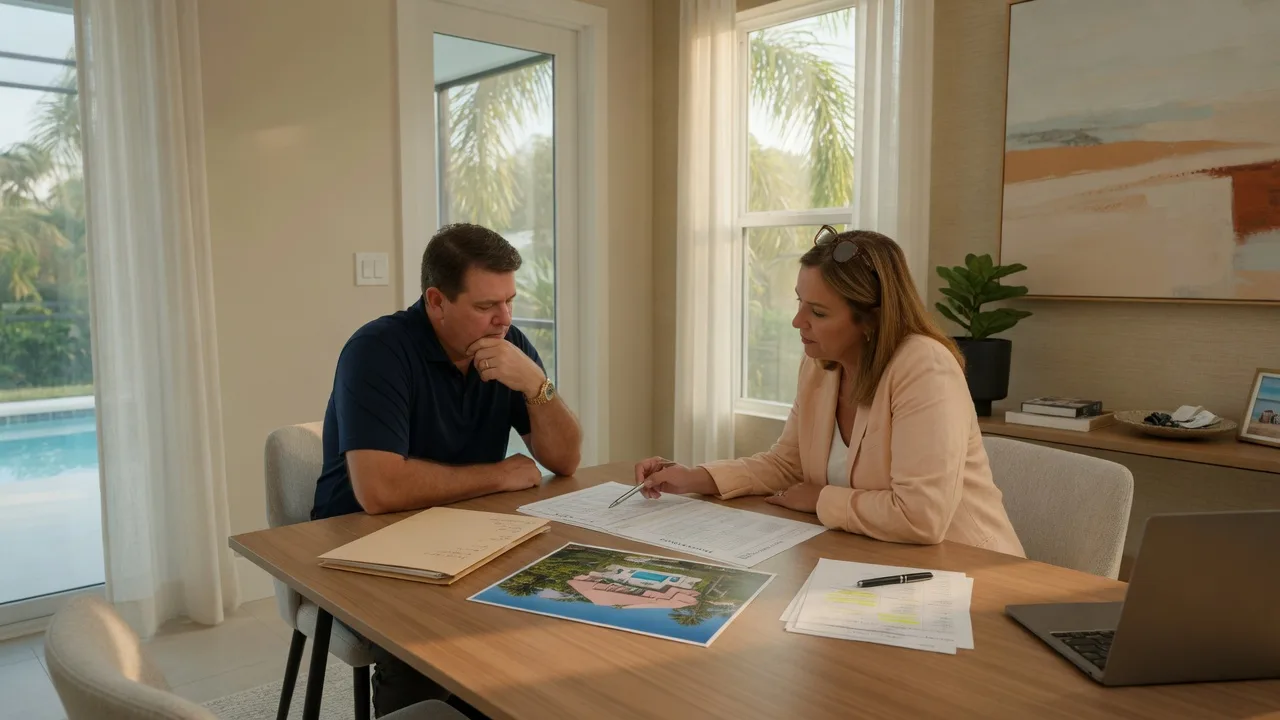
A CMA is an agent's estimate of fair market value based on comparable properties, and it is usually prepared at no charge when you are considering selling. It is not the same as a formal appraisal, which is an independent opinion of value completed by a licensed appraiser for a lender. Here is how a CMA is built. For a line-by-line look at what the report contains, what it leaves out, and how to read the comps, see my guide to what a comparative market analysis really tells sellers.
Study your property first
The process starts with the property itself. I look at the condition, heated square footage, bedrooms and bathrooms, lot size, age, layout, upgrades, and any features like a pool, waterfront, or garage. Details matter because they are the basis for every comparison that follows.
Pull comparable sales
Next comes the heart of the analysis: finding comparable homes in the same neighborhood, ideally close in size and features, that sold within the last few months. Recently sold homes get the most weight because they show what buyers actually paid. Active and pending listings show the competition a buyer could choose instead, and expired listings can be a cautionary signal that a price was too high.
Adjust for differences
No two homes are identical, so each comparable is adjusted up or down for differences in size, condition, updates, and features. For example, a pool or a renovated kitchen may add value, while an aging roof or outdated systems may reduce it. The goal is to arrive at a fair comparison for your specific property.
Set the price
Finally, the adjusted comparables are weighed together with current market conditions to recommend a listing price. Price per square foot, the ratio of list price to sale price, and average days on market all provide context for the final strategy. This is where an experienced local agent adds real value, because local nuance can shift the analysis in one direction or another.
How Does Pricing Affect Time on the Market?
The first weeks a home is listed often bring the highest level of buyer activity, including showings and new listings that get fresh attention. When a price matches what buyers expect for the area, more buyers schedule showings early, and the increased competition can drive a stronger final result. When a price starts high, buyers and their agents may compare it against other inventory and move on.
That does not mean you should undervalue your home to generate hype. It means the optimal price is one that is realistic and supported by data, so you capture the early buyer pool without leaving money on the table. If a home sits on the market too long, buyers often begin to wonder why, and that can lead to lower offers later. The balance is why a data-driven list price matters.
How Do Appraisals and Tax Assessments Fit In?
It helps to separate three different numbers: the list price, the appraised value, and the assessed value for taxes. The list price is what you choose to ask for. The appraised value is an independent professional opinion prepared for the lender if a buyer finances the purchase. The assessed value is the number the county uses to calculate property taxes, and it is set by the Palm Beach County Property Appraiser.
These numbers do not always match, and that is normal. Your list price should be based on the current market, not on your tax assessment. If you want a closer look at how taxes work, see my guide to Palm Beach County property taxes.
How Should I Price My Home to Attract Serious Buyers?
The short answer is to price it with current, local data and a clear strategy. Here is the practical approach most agents recommend:
- Get a current CMA: Start with a market-specific analysis for your exact neighborhood rather than a county-wide average.
- Prepare the home first: Pricing and preparation work together. A clean, well-presented home lets the price do its job. See my home preparation guide for steps that help.
- Choose a strategy with your agent: Decide together whether your goal is a faster sale, a specific timeline, or maximum price, and set the list price and any future adjustment plan accordingly.
- Review comparable homes: Ask your agent to walk you through the comparables so you understand exactly how the number was built and feel confident in it.
- Monitor early activity: Use showing feedback and early traffic to guide adjustments if the market responds differently than expected.
For the broader seller picture, my complete guide to selling your home in Palm Beach County covers each stage from pricing through closing.
What Are My Next Steps?
The clearest next step is to get a current, neighborhood-specific CMA and have it explained to you. You can start that conversation by contacting me or requesting a home value estimate, and we can talk through your goals, timeline, and what the numbers mean for your situation.
If you are considering selling and buying at the same time, pricing also affects how your two transactions line up, so see my guide to selling and buying at the same time for how the pieces fit together. As with any decision, consult qualified professionals for advice specific to your situation. I'm here to help you make sense of your options.
Want to Know What Your Home Is Worth?
The best place to start is a current comparative market analysis for your specific neighborhood. I can prepare one for you and explain exactly what it means, with no pressure and no obligation.
Rhonda Townsend, REALTOR® · A.I. Certified Agent™ · 1st Real Estate Solution Inc.
(561) 236-9772 ·
rtownsendrealestate@gmail.com
Frequently Asked Questions
Sources
Sources referenced in this article:
- • Redfin — How Do Realtors Determine How to Price a Home?
- • Palm Beach County Property Appraiser — Official Property Records and Tax Information
- • Discover The Palm Beaches — Palm Beach County Visitor and Community Information
Disclaimer: This article is provided for general educational and real estate information only. It is not legal, tax, financial, insurance, environmental, engineering, or property-inspection advice. Real estate requirements, costs, risks, policies, and market conditions vary by property and may change. Consult qualified professionals regarding your individual circumstances.