
Key Takeaways
- Selling as-is means the buyer accepts the property in its current condition, but it does not waive the seller's disclosure obligations under Florida law.
- The right choice depends on your timeline, budget, the current market in your neighborhood, and the types of repairs needed.
- In a seller-friendly market, reasonably priced as-is properties can attract buyers who want to customize. In a balanced market, move-in ready homes often sell faster and for more money.
- Small cosmetic repairs and deep cleaning almost always pay for themselves. Major structural or system issues may be better addressed by pricing the home as-is.
- Florida law requires sellers to disclose known material defects, regardless of whether the home is sold as-is. A seller disclosure form protects both you and the buyer.
Deciding whether to sell your home as-is or make repairs before listing is one of the most important choices you will make as a Palm Beach County home seller. The right answer depends on your timeline, budget, the condition of your home, and the current market in your specific neighborhood. This guide walks through the factors that matter most so you can make an informed decision.
I am Rhonda Townsend with 1st Real Estate Solution Inc., and I have helped sellers throughout Palm Beach County weigh this decision for more than 12 years. Every home and every situation is different. What works for a waterfront home in Lake Clarke Shores may not be the right approach for a family home in Wellington. The goal is to find the strategy that puts the most money in your pocket and fits your timeline.
What Does "As-Is" Really Mean When Selling a Home?
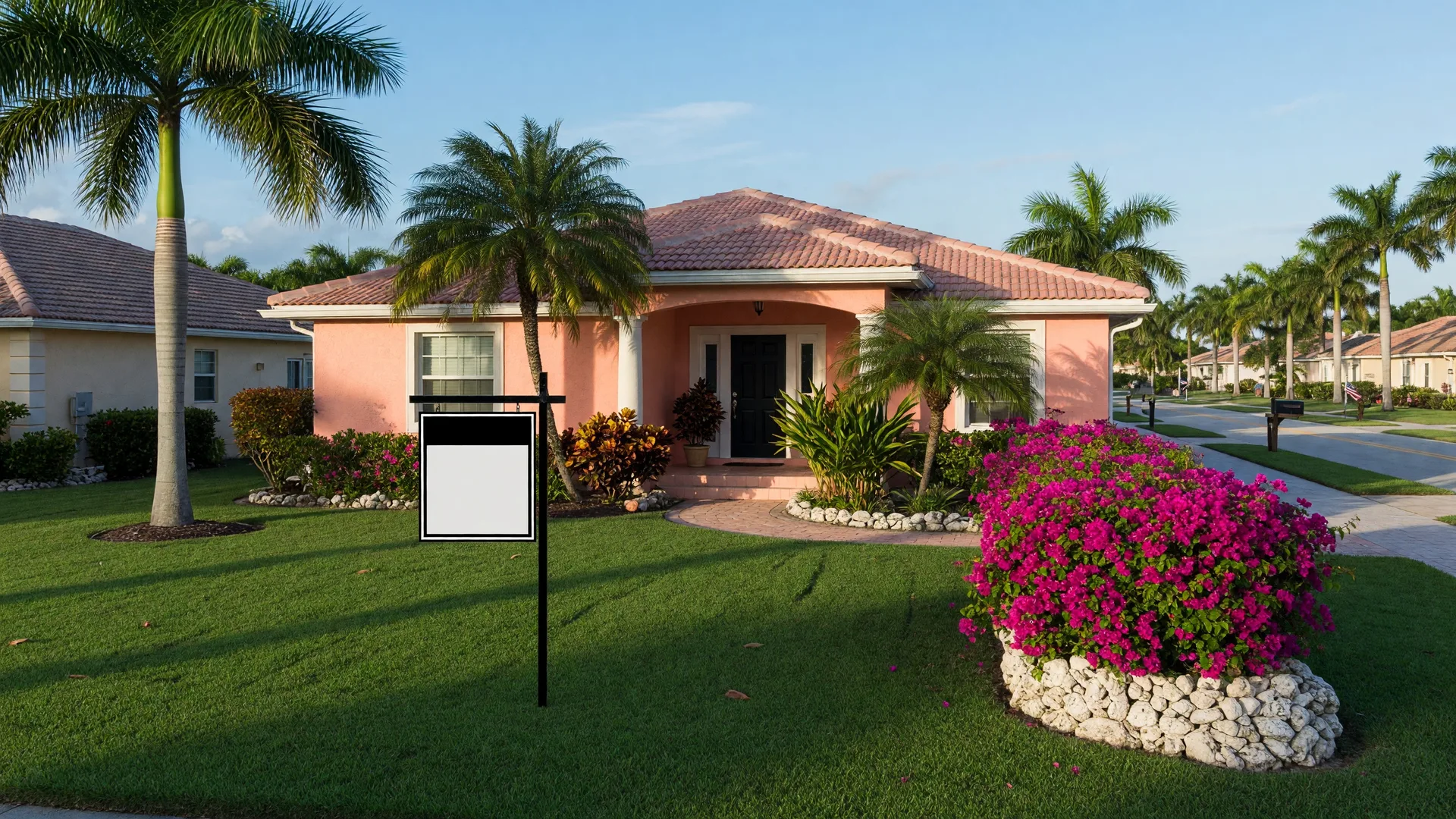
Selling a home as-is means the seller is offering the property in its current condition. The buyer agrees to accept the property with all existing defects, whether visible or hidden, and the seller is not obligated to make any repairs after the inspection.
It is important to understand what as-is does NOT mean:
- It does not waive disclosure requirements. Florida law requires sellers to disclose known material defects regardless of whether the sale is as-is. You must still complete the Seller's Property Disclosure form honestly.
- It does not mean the buyer cannot request repairs. Buyers can still request repairs or credits during the inspection period. The seller can accept, reject, or negotiate those requests.
- It does not mean the property is uninhabitable or condemned. An as-is home can be in good condition. The term simply means the seller is not committing to making improvements before closing.
- It does not guarantee the buyer will not back out. Buyers still have contingency periods for inspection, financing, and appraisal. If significant issues arise, a buyer may still walk away.
In practice, as-is sales often attract buyers who have some renovation budget or experience and are willing to handle the repairs themselves. They can also be a good fit for investors, house flippers, and buyers looking to purchase at a discount.
When Does Selling As-Is Make Sense in Palm Beach County?
Selling as-is is not the right choice for every situation, but it can be a smart strategy in these scenarios:
As-Is May Be Right When
- Major systems need replacing If your roof, HVAC, or plumbing system needs significant work, selling as-is may be simpler than managing those repairs.
- Timeline is tight If you need to sell quickly for a job relocation, a family situation, or to close on a purchase, as-is listing saves the weeks or months repairs would take.
- Budget is limited If you do not have cash available for repairs, selling as-is avoids spending money you may not recoup.
- You inherited the property An inherited home in Palm Beach County that has been vacant or deferred maintenance may be best sold as-is, especially if you do not live nearby.
- Investor demand is strong In areas where investors actively seek fixer-uppers, pricing as-is can attract cash buyers who close quickly.
When Should You Make Repairs Before Selling?
Making strategic repairs before listing can increase your sale price, reduce time on market, and attract a wider pool of buyers. Here is when making repairs typically makes sense:
Repairs May Be Worthwhile When
- The market favors move-in ready homes In a balanced market, buyers often prefer homes they can move into immediately without work. Move-in ready homes tend to sell faster and generate higher offers.
- Small repairs offer high return Fresh paint, updated landscaping, new light fixtures, and deep cleaning are low-cost improvements that make a strong first impression and help buyers focus on the home's potential.
- You have time before listing If you can plan ahead, completing strategic repairs before marketing the home puts you in a stronger negotiating position.
- Financing concerns FHA and VA loans have minimum property requirements. If your buyer uses one of these loan types, the property must meet basic habitability standards or the sale may fall through.
- You want to minimize negotiations Homes with known issues addressed before listing tend to have fewer inspection-related negotiations, leading to a simpler transaction.
Repair Cost vs. Sale Price: How to Decide
The most practical way to decide is to look at the numbers. Here is the process I use with my sellers:
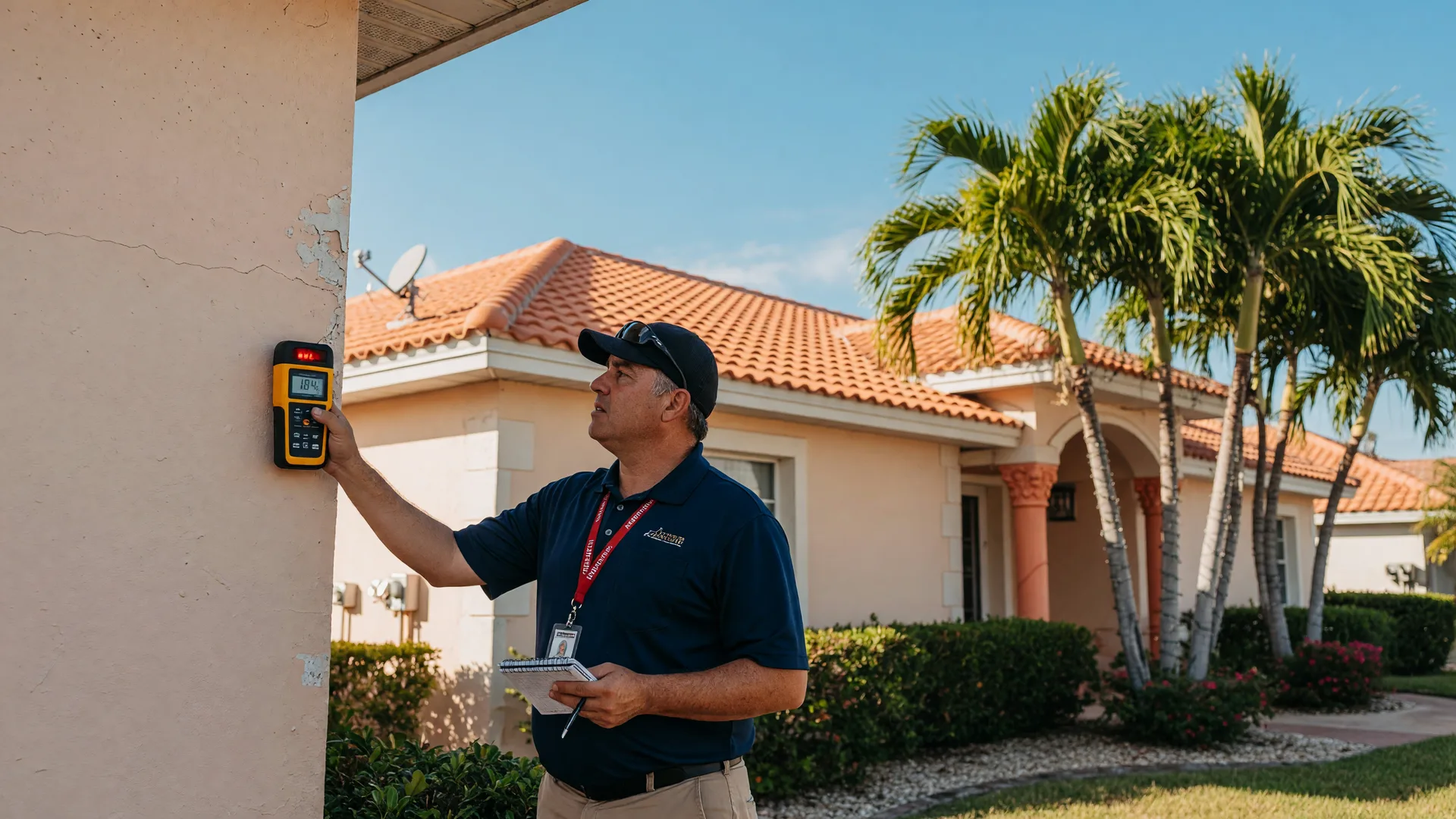
- Get a pre-listing inspection. A licensed home inspector evaluates the property and identifies issues. This typically costs $400 to $600 and gives you a complete picture of what needs attention. Many sellers are surprised by what an inspection reveals, and it is better to know upfront.
- Get repair estimates. For each significant item on the inspection report, get at least two quotes from licensed contractors. Florida requires licensed contractors for most structural, electrical, plumbing, and roofing work.
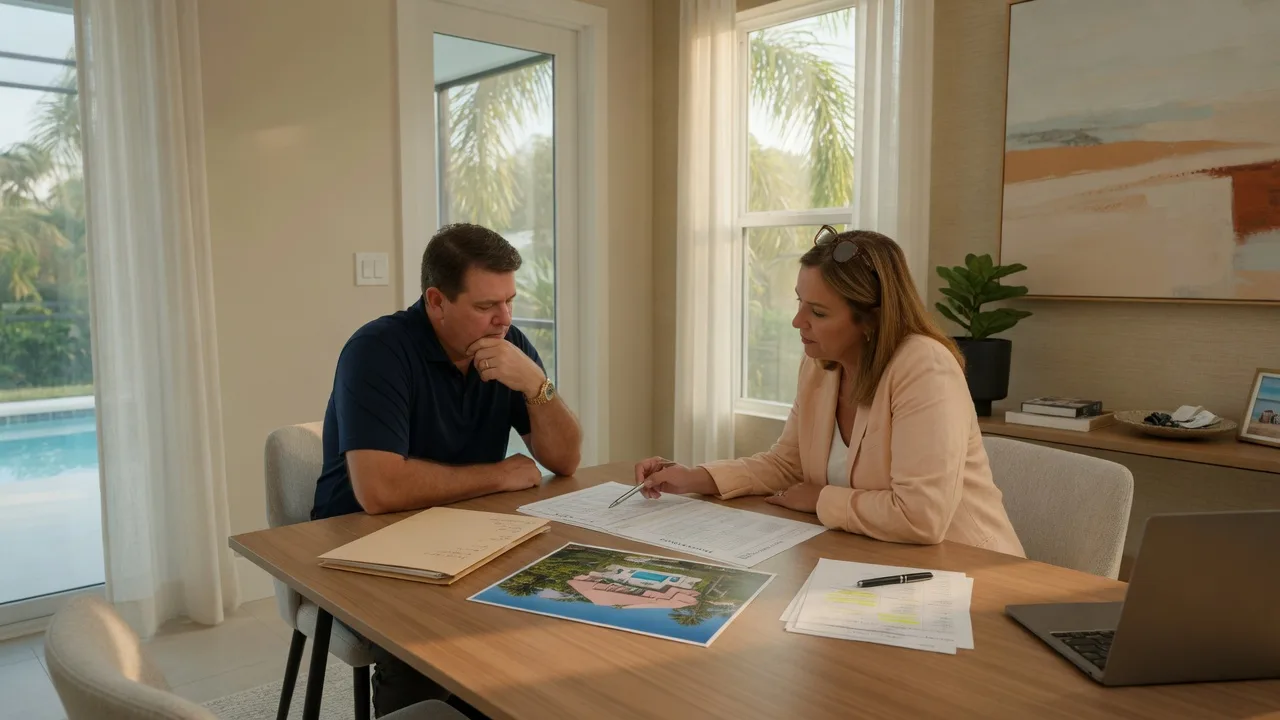
- Compare sale scenarios. Your agent will prepare two comparative market analyses: one for the home sold as-is and one for the home sold after completing recommended repairs. The difference in expected sale price minus the total repair cost plus the carrying costs (mortgage, taxes, insurance, utilities during the repair period) tells you which option nets more money.
- Consider the soft factors. Time, hassle, and convenience matter. If you are managing repairs from out of state or need to sell quickly, an as-is sale may be worth the lower net proceeds for the convenience.
For a deeper look at the full selling process, read my complete guide to selling your home in Palm Beach County.
How Do Buyers View As-Is Properties vs. Move-In Ready Homes?
Buyer perception varies based on the type of buyer and the current market conditions:
Buyer Perspectives on Condition
- First-time buyers Often prefer move-in ready homes because they may have limited cash reserves for repairs after their down payment and closing costs.
- Move-up buyers May have renovation experience and equity from their current home, making them more open to as-is properties with good bones and location.
- Relocating buyers Often prefer move-in ready homes because they are managing a move from out of state and do not have local contractors lined up.
- Investors Actively seek as-is properties at the right price point. They calculate their maximum offer based on after-repair value minus repair costs and their profit margin.
- Downsizing buyers Often prefer move-in ready homes with low-maintenance features. They are typically selling a larger home and want to simplify, not take on repair projects.
Understanding who is likely to buy your home helps you choose the right strategy. A home in Wellington's equestrian area may appeal to a very different buyer than a condo in downtown West Palm Beach. Your agent can help you understand who is actively searching in your neighborhood and what they are looking for. For more on buyer types, read my first-time home buyer guide or learn about downsizing options.
What Are Florida's Disclosure Requirements for As-Is Sales?
Florida law is clear: selling a home as-is does not eliminate your obligation to disclose known material defects. The Florida Realtors standard contract includes the Seller's Property Disclosure form, which asks about the condition of major systems, structural components, and environmental hazards.
Key disclosure points for Palm Beach County sellers:
- Material defects: Any condition that significantly affects the property's value or poses a health or safety risk must be disclosed if known.
- Flood history: Florida law requires disclosure of whether the property has experienced flood damage and whether it is in a FEMA-designated flood zone.
- Insurance claims: Disclose any known insurance claims made on the property, especially windstorm or flood claims.
- HOA and CDD disclosures: Provide all required HOA documents, including governing documents, financial statements, and any pending special assessments.
- Lead-based paint: For homes built before 1978, federal law requires a lead-based paint disclosure and informational booklet.
A complete and honest disclosure protects both you and the buyer. Attempting to hide known issues can lead to legal liability after closing, even in an as-is sale. If you are unsure about what needs to be disclosed, your real estate agent can guide you through the form.
As-Is vs. Repairs Decision Guide for Palm Beach County Sellers
Your Decision Workflow
- Schedule a pre-listing inspection — Get a complete picture of the property's condition. This is your most important first step.
- Get repair estimates — Obtain at least two quotes from licensed contractors for each significant repair item.
- Request a market analysis — Ask your agent for two scenarios: estimated sale price as-is and after repairs.
- Run the numbers — Compare (repair scenario net proceeds) vs. (as-is net proceeds). Factor in time, carrying costs, and your personal timeline.
- Consider your audience — Think about the likely buyer for your specific home and neighborhood. Would they prefer move-in ready, or are they open to a project?
- Discuss with your agent — Your agent can share real examples of similar homes in your area and how they performed under each strategy.
- Make your decision — Choose the approach that best fits your financial goals, timeline, and comfort level.
If you decide to make repairs, my home preparation guide covers what to prioritize and how to approach each improvement. For more about inspections and what to expect, read my guide to home inspections and appraisals for sellers.
Every seller's situation is unique. I am happy to walk through your specific circumstances, run the numbers, and help you decide which approach makes the most sense for your home and your goals. There is no one-size-fits-all answer, but with the right information and a clear process, you can make a confident decision.
Not Sure Whether to Sell As-Is or Make Repairs?
I can help you evaluate your specific situation, run the numbers on repair costs vs. expected sale price, and recommend the strategy that makes the most sense for your timeline and goals.
Rhonda Townsend, REALTOR® · A.I. Certified Agent™ · 1st Real Estate Solution Inc.
(561) 236-9772 ·
rtownsendrealestate@gmail.com
Frequently Asked Questions
Sources
Sources referenced in this article:
- • Florida Department of Business and Professional Regulation — Real Estate License and Disclosure Information
- • Florida Realtors — Standard Forms and Disclosure Requirements
- • National Association of Realtors — Home Selling Statistics and Trends
- • Palm Beach County Clerk & Comptroller — Public Records and Property Information
Disclaimer: This article is provided for general educational and real estate information only. It is not legal, tax, financial, insurance, environmental, engineering, or property-inspection advice. Real estate requirements, costs, risks, policies, and market conditions vary by property and may change. Consult qualified professionals regarding your individual circumstances.