Key Takeaways
- Most home sales in Palm Beach County involve both a general home inspection and a separate appraisal. Understanding both processes helps you respond confidently to any issues.
- Common inspection findings in Florida include roof age, HVAC condition, moisture intrusion, and windstorm protection. Many issues are negotiable and do not mean the deal will fall apart.
- If an appraisal comes in below the contract price, you have options: negotiate with the buyer, request a reconsideration of value, meet in the middle, or walk away.
- Pre-listing inspections and appraisals give you advance knowledge of potential issues and can reduce surprises during the buyer's due diligence period.
- Working with a real estate agent who understands inspection and appraisal negotiation in Palm Beach County can help you navigate the process with confidence.
Home inspections and appraisals are two of the most common hurdles in a real estate transaction, but they do not have to be stressful. Understanding what each process involves and how to respond to findings can help you move through the sale with confidence and keep your closing on track.
I am Rhonda Townsend with 1st Real Estate Solution Inc., and I have helped sellers throughout Palm Beach County navigate inspections and appraisals for more than 12 years. This guide covers the most common questions sellers ask about these two important steps, along with practical advice for handling whatever comes up during your sale.
Why Do Home Inspections Matter When Selling?
Once you accept an offer on your home, the buyer typically schedules a home inspection during their due diligence period. This is a standard part of most real estate contracts in Florida. The inspection is the buyer's opportunity to learn about the condition of the home before committing to the purchase.
The buyer pays for the inspection and chooses the inspector. The inspector examines the visible and accessible areas of the home, including the roof, structure, electrical systems, plumbing, HVAC, and major appliances. In Palm Beach County, many buyers also request separate inspections for termites, windstorm protection, pool equipment, and seawalls on waterfront properties.
It is important to remember that no home is perfect. Every inspection report will list some items. The goal is not to produce a flawless report, but to identify any significant issues that could affect the safety, function, or value of the home.
What Are the Most Common Inspection Issues in Palm Beach County?
While every home is different, certain issues come up more often in Palm Beach County because of our climate, building styles, and coastal location. Here are the most common findings I see:
- Roof age and condition: Florida's sun, heat, and storms take a toll on roofs. Inspectors check for missing or damaged shingles, tile cracks, and signs of wear. A roof approaching 15 to 20 years old is a common discussion point.
- HVAC system age and maintenance: Air conditioning systems work hard in Florida. Inspectors check the age of the unit, maintenance records, and whether the system cools properly. Units older than 10 to 12 years may be flagged.
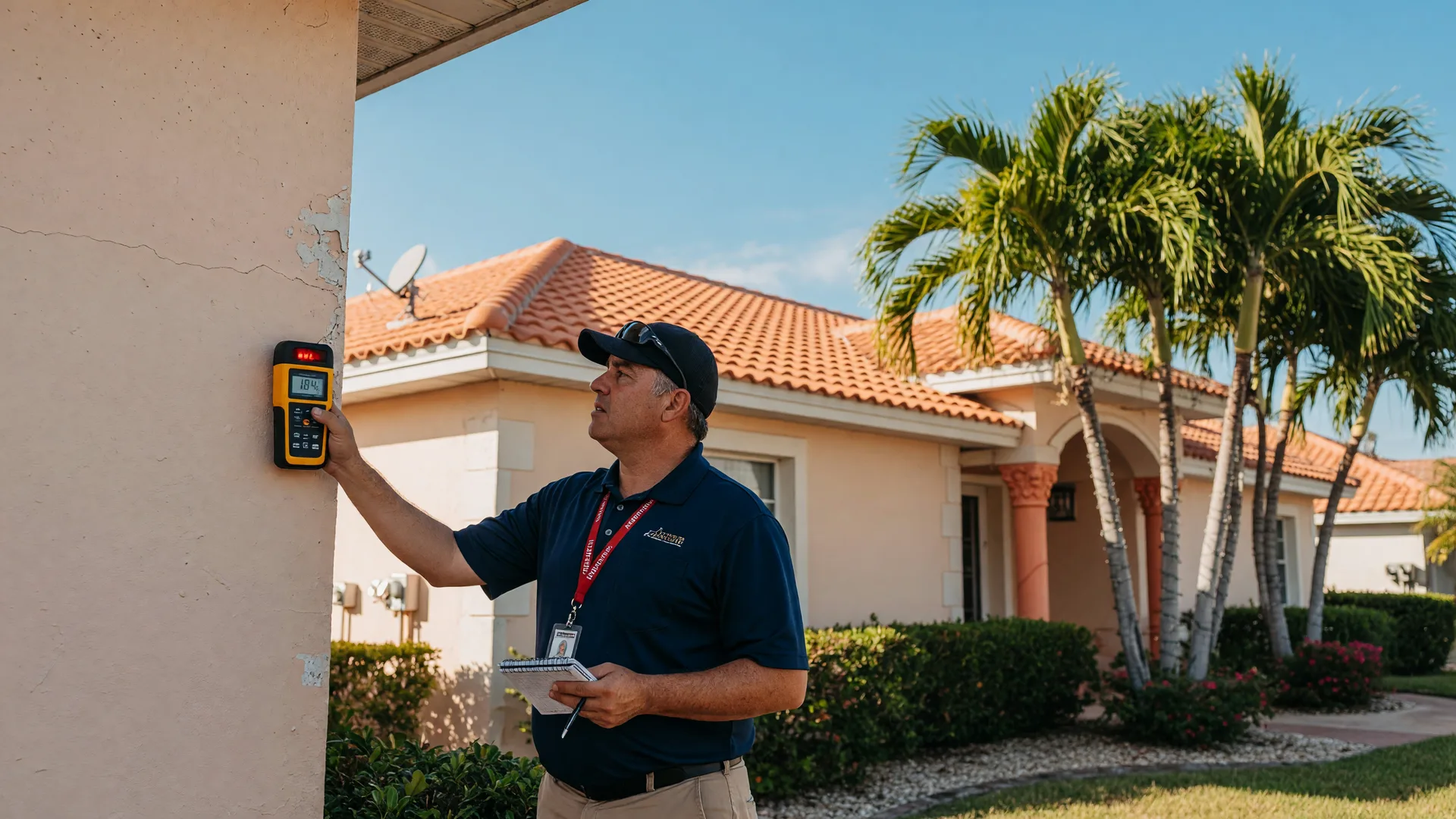
- Moisture and water intrusion: High humidity and afternoon storms can lead to moisture issues. Inspectors use moisture meters to check walls, ceilings, and floors for signs of leaks or past water damage.
- Windstorm protection: Florida building codes require impact-resistant windows, doors, and garage doors, or approved storm shutters. Inspectors note whether these protections are in place.
- Electrical and plumbing: Older homes may have outdated electrical panels, ungrounded outlets, or galvanized plumbing that inspectors flag as safety concerns.
- Termites and wood-destroying organisms: A separate wood-destroying organism (WDO) inspection is common in Florida. Evidence of past or active termite activity is a frequent finding.
What Are Your Options After an Inspection Report?
Once the buyer receives the inspection report, they typically submit a request for repairs or a credit. You have several ways to respond:
- Agree to make repairs — You can hire licensed contractors to complete the requested repairs. This is the most direct approach and often keeps the transaction moving forward.
- Offer a credit — Instead of making repairs yourself, you can offer the buyer a credit at closing. This lets them handle the work after they move in and choose their own contractors.
- Adjust the sale price — You can negotiate a price reduction that reflects the cost of the needed repairs.
- Decline some or all requests — You are not obligated to agree to every request. Your agent can help you evaluate which items are reasonable and which are not based on the contract terms and local market practices.
Most inspection negotiations end with a mutually agreeable solution. The key is to stay focused on the overall goal: closing the sale. If a repair request arrives, my seller's checklist for handling inspection repair requests walks through how to evaluate the report, decide what to fix or credit, and negotiate on timeline. For a deeper look at the full selling process, read my complete guide to selling your home in Palm Beach County.
How Does the Appraisal Process Work for Sellers?
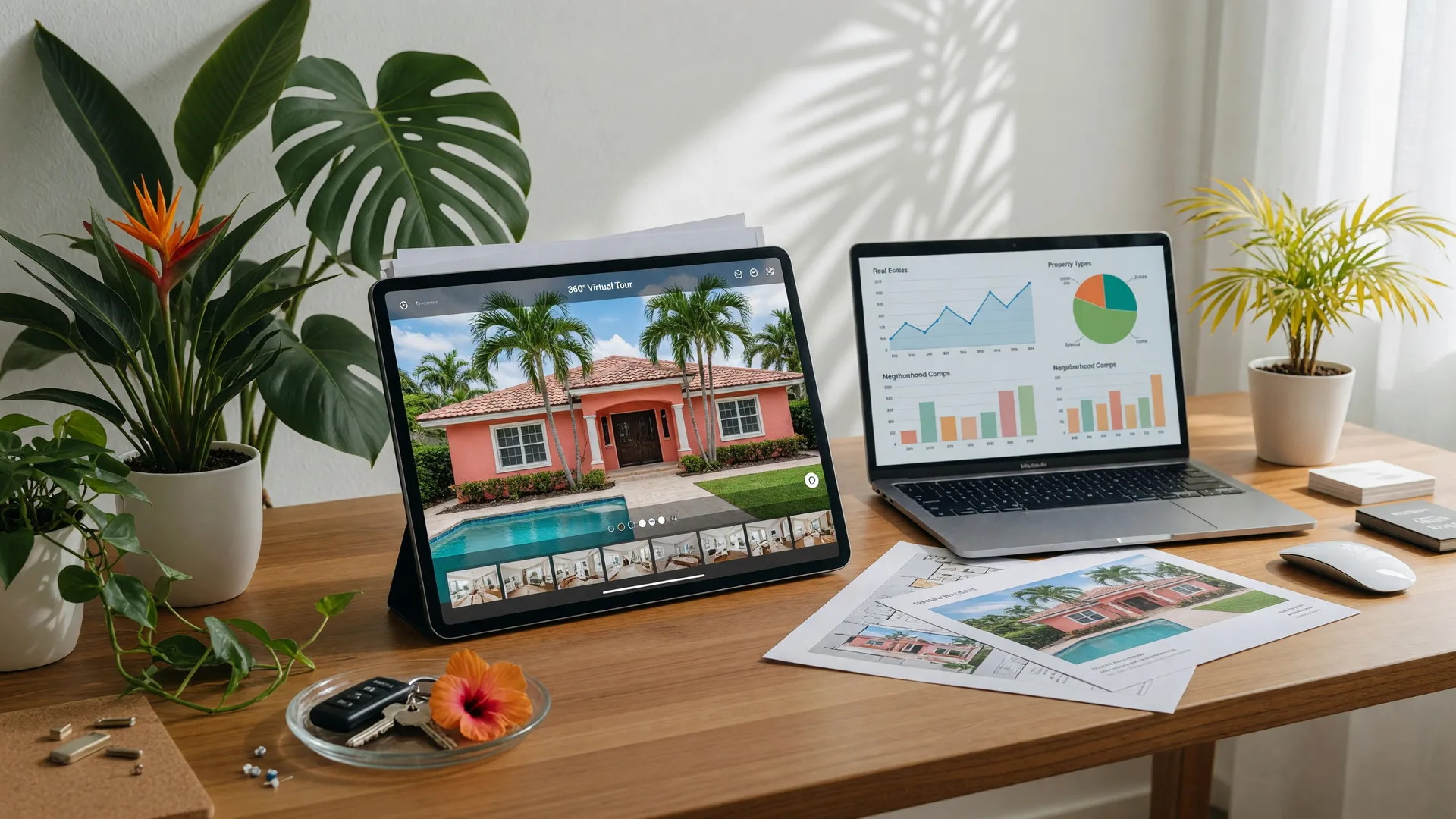
The appraisal is separate from the inspection. While the inspection is about condition, the appraisal is about value. The buyer's lender orders an appraisal to confirm that the property is worth the contract price. If the home does not appraise for the agreed price, the lender may not approve the full loan amount.
Here is what the appraiser considers in Palm Beach County:
- Recent sales of comparable properties in your neighborhood
- The size, condition, and features of your home
- Location and neighborhood market trends
- Upgrades and improvements you have made
- Overall market conditions in your specific community
The appraiser typically spends 30 to 60 minutes at your home. They take photos, measure the property, and note the condition and features. You do not need to stage your home for the appraisal, but having it clean and well-maintained helps.
What Happens When an Appraisal Comes in Low?
If the appraisal comes in below the contract price, you have several options. This is often called an appraisal gap, and it happens from time to time even in a well-priced market.
- Negotiate a lower price: The buyer may agree to meet at the appraised value or somewhere in between. Many purchase contracts have specific provisions for handling a low appraisal.
- Request a reconsideration of value: Your agent can provide the appraiser with additional comparable sales that may have been missed. This does not always change the outcome, but it is worth pursuing if you have strong data.
- The buyer makes up the difference: If the buyer has additional cash, they can put more money down to cover the gap between the appraised value and the contract price.
- Walk away: If the contract includes an appraisal contingency, the buyer can cancel and receive their earnest money deposit back if an agreement cannot be reached.
The best way to avoid appraisal issues is to price your home correctly from the start. Working with an experienced agent who understands local market data and recent sales is essential. Learn more about my seller services and approach.
How Can You Prepare for the Inspection and Appraisal?
A little preparation goes a long way toward a smooth inspection and appraisal. Here are practical steps you can take before either appointment:
- Gather maintenance records: Having receipts and dates for recent roof work, HVAC servicing, plumbing repairs, and other improvements shows that the home has been well maintained.
- Make minor repairs in advance: Fix leaky faucets, replace burnt-out light bulbs, patch small holes, and address any obvious issues before the inspection.
- Clean and declutter: A clean home allows the inspector and appraiser to access all areas easily. Clear access to the attic, crawl space, electrical panel, and water heater.
- Consider a pre-listing inspection: Having your own inspection done before listing gives you advance knowledge of any issues. You can address them on your timeline rather than under the pressure of a buyer's deadline.
- Confirm utility access: Make sure the inspector can access the electrical panel, water shutoff, and HVAC system. Ensure all utilities are turned on for the inspection.
For more detailed guidance on getting your home ready, read my article on how to prepare your home for sale in Palm Beach County. If you are also planning to sell and buy at the same time, understanding the entire timeline including inspections and appraisals is critical to coordinating both transactions.
Thinking About Selling Your Home?
Understanding the process upfront makes everything smoother. I can help you prepare your home, price it right, and guide you through inspections and appraisals from start to finish.
Rhonda Townsend, REALTOR® · A.I. Certified Agent™ · 1st Real Estate Solution Inc.
(561) 236-9772 ·
rtownsendrealestate@gmail.com
Frequently Asked Questions
Sources
Sources referenced in this article:
- • Florida Department of Business and Professional Regulation — Home Inspector Licensing Information
- • Palm Beach County Property Appraiser — Property Records and Valuation Data
- • Florida Realtors Association — Market Data and Seller Resources
Disclaimer: This article is provided for general educational and real estate information only. It is not legal, tax, financial, insurance, environmental, engineering, or property-inspection advice. Real estate requirements, costs, risks, policies, and market conditions vary by property and may change. Consult qualified professionals regarding your individual circumstances.