Key Takeaways
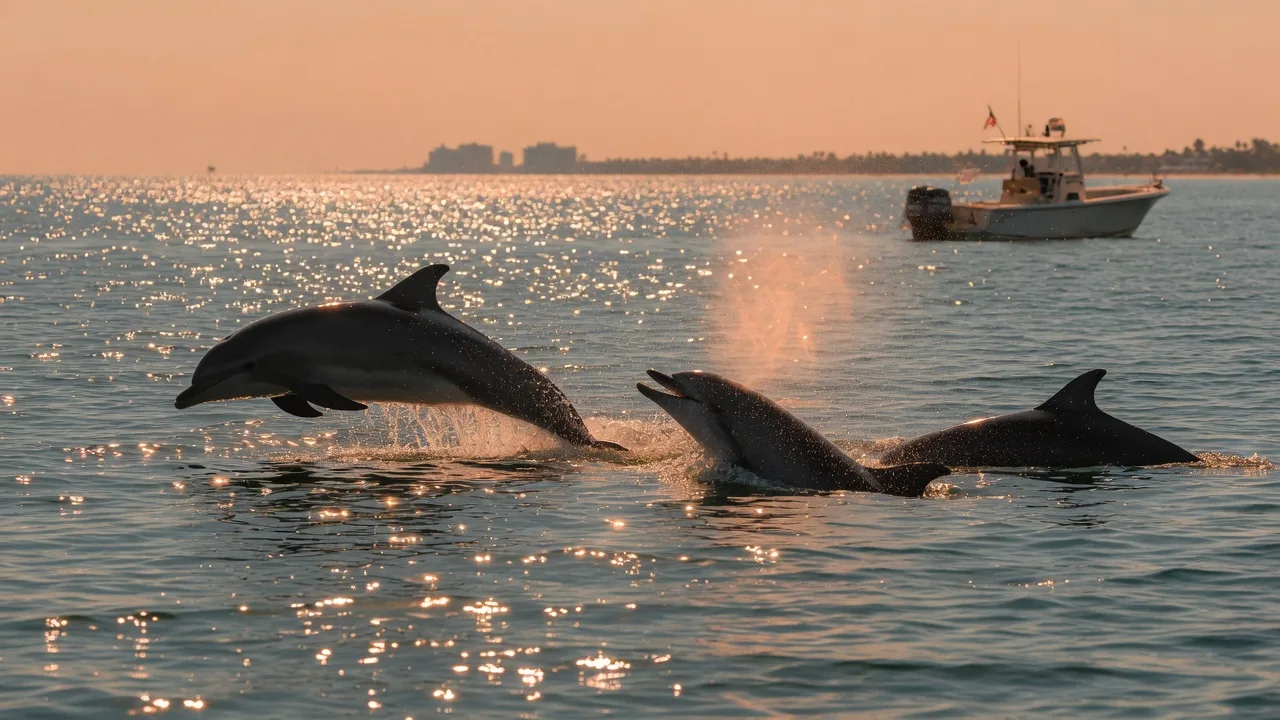
- Dolphins are a common sight along the Palm Beach County coast and Intracoastal, especially in the mornings and late afternoons when they travel and feed near inlets and bridges.
- Several licensed operators run dolphin and eco cruises from Jupiter and the West Palm Beach/Riviera Beach waterfront, which is the easiest way to see dolphins with a naturalist's guidance.
- You can also spot dolphins from shore at Jupiter's beaches, Juno Beach, and the Lake Worth Beach area, often on calm mornings.
- Wild dolphins are protected by federal law. Feeding, harassing, or chasing them is illegal, and boats should give them plenty of room, at least 50 yards where possible.
- For anyone drawn to the water, dolphin watching is a reminder of why waterfront and boating lifestyles are so popular here, and why buyers ask so many water questions.
If you want to see dolphins in Palm Beach County, the short answer is that you do not have to go far. Dolphins travel the same nearshore waters, inlets, and Intracoastal channels that people use every day, which is why residents and visitors spot them so often. From chartered wildlife cruises out of Jupiter and West Palm Beach to a quiet morning on a beach pier, this guide covers where to go, when, and how to enjoy them the right way.
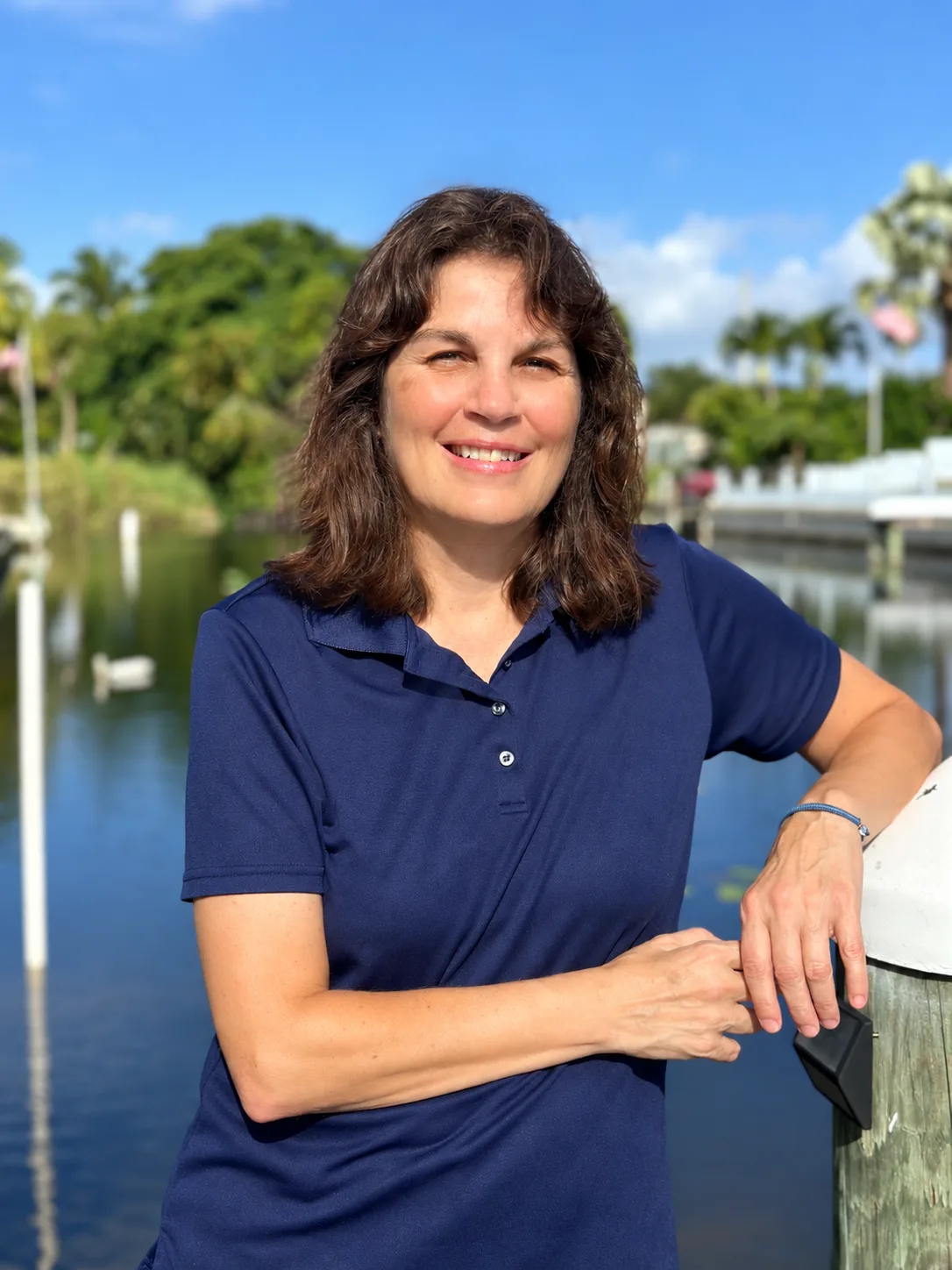
I'm Rhonda Townsend, a REALTOR® with United Realty Group serving Wellington, West Palm Beach, Lake Clarke Shores, and surrounding communities. After years of helping buyers explore water-adjacent and waterfront neighborhoods, I have learned that the dolphins are part of what makes this part of Florida special. This article is an evergreen, practical guide, built from publicly available information and the local operators who run these cruises, so you can plan a great day on the water.
Why Is Palm Beach County Great for Dolphin Watching?
The county's coastline sits directly on the Atlantic, and just behind the beaches runs the Lake Worth Lagoon and the Intracoastal Waterway, a network of protected channels, inlets, and mangrove edges that dolphins use for feeding and travel. Inshore bottlenose dolphins are the species people see most often here, and they are used to sharing the water with boats, which is partly why sightings happen so regularly near inlets, bridges, and marinas.
The geography also helps. The Gulf Stream flows close to the Palm Beach County coast, bringing clear, warm water near shore. Around the Jupiter Inlet and the Lake Worth Inlet, tidal movement concentrates baitfish, and where the bait goes, dolphins follow. That combination of protected waterways, warm water, and reliable food sources makes dolphin encounters a routine part of life here rather than a rare event.
When Is the Best Time to See Dolphins?
Early mornings and late afternoons are the most dependable windows. Dolphin activity often picks up as they feed around sunrise and again near dusk, and the water is usually calmer in the early hours, which makes their surfacing easier to spot. Calm, bright days are better than windy, choppy ones; when the surface is smooth, you will notice the telltale dorsal fins breaking the water from a much greater distance.
Season matters less for dolphin sightings than it does for other kinds of wildlife, because dolphins live here year-round. Winter visitors sometimes report especially active mornings near the inlets, but the honest answer is that dolphins can appear any day of the year. The unpredictable part is part of the appeal: no two trips on the water look exactly alike.
Where Do Wildlife Cruises and Eco-Tours Depart?
For a guided experience, several licensed operators run dolphin, sightseeing, and eco cruises along the county's waterways. In Jupiter, operators like Conch Cruises, Jupiter Water Tours, and Manatee Queen run trips out of the marina district on the Loxahatchee River, where dolphin and manatee sightings are both common.
Around West Palm Beach and Riviera Beach, Palm Beach Water Tours and Flying Lady Boat Tours cruise the Lake Worth Lagoon and the Intracoastal, with routes that often pass Peanut Island and the Lake Worth Inlet. Those same waters are what the Peanut Island Shuttle Boat crosses all day long, which tells you how active the channel is.
Booking tips: call ahead during the busy winter season, ask whether the tour targets dolphin and wildlife viewing specifically, and check the operator's reviews and safety record. A good skipper slows down around wildlife, points out fins and manatees, and explains the local waterways, which is more than half the value of the trip.
Most of these cruises run one to two hours, provide life jackets, and operate as general-audience trips open to all ages. Before you book, ask about the vessel size, whether the trip is narrated, what you should bring, and how the operator handles bad weather. Because seas vary a lot between the ocean and the protected Intracoastal, a cruise in the lagoon or the river is a much calmer ride than an open-ocean run, which matters if anyone in your group gets queasy.
Where Can You Spot Dolphins From Shore?
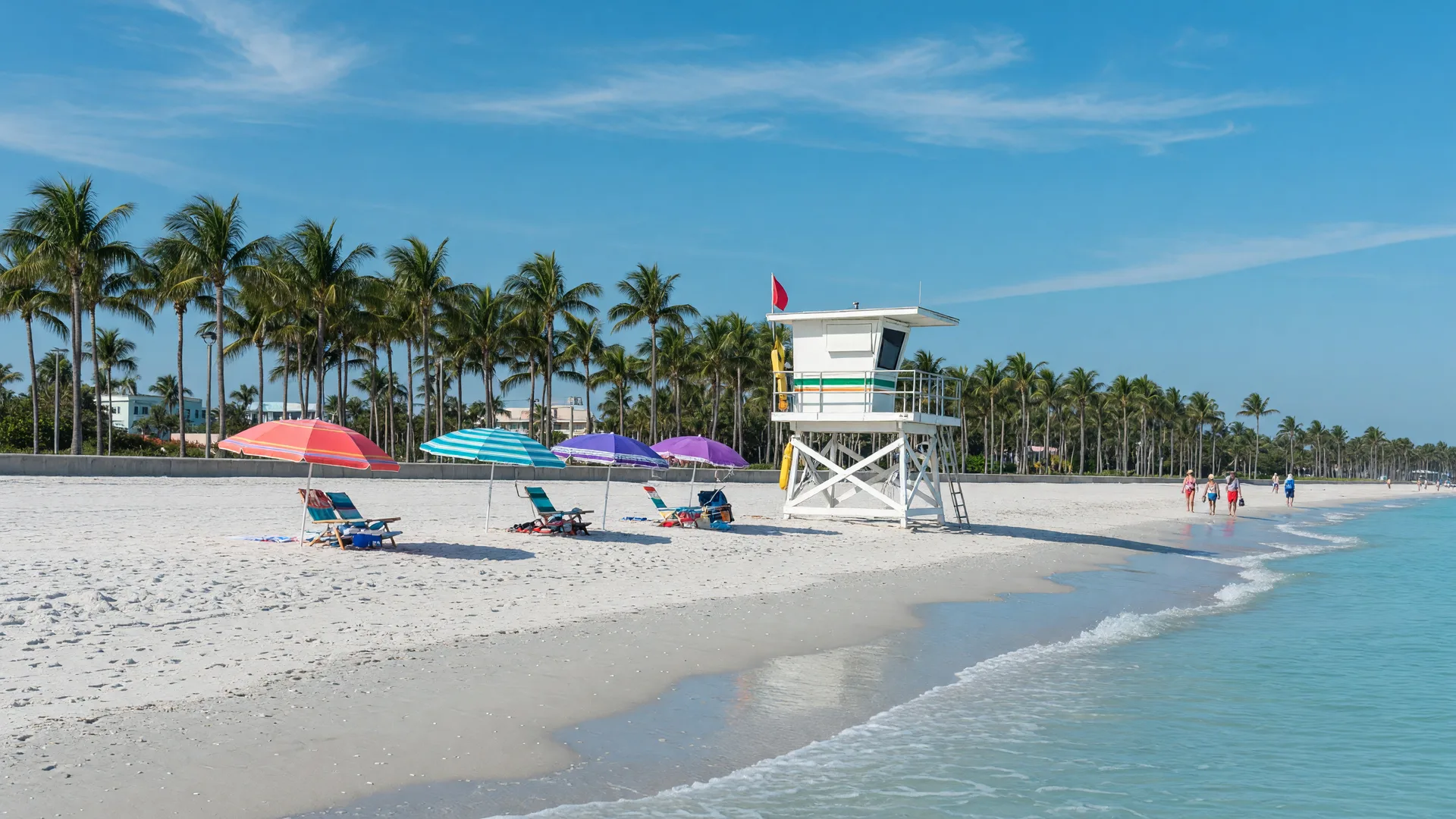
You do not need a boat at all. Piers and shoreline points put you at eye level with the same water the dolphins travel. The Juno Beach area, the beaches and observation points around the Jupiter Inlet, and the Lake Worth Beach stretch all see regular dolphin sightings, especially on calm mornings when dolphins travel parallel to the beach just offshore.
Bring binoculars, pick a spot with a clear view of the water, and give yourself time. Dolphins do not surface on a schedule, but when a pod passes, you will see dorsal fins break the surface in a line, sometimes with a tail slap or a leap. Pier anglers are often the first to point them out, since they watch the water all day. My guide to the public beaches of Palm Beach County describes each beach and pier in more detail if you are planning a day of it.
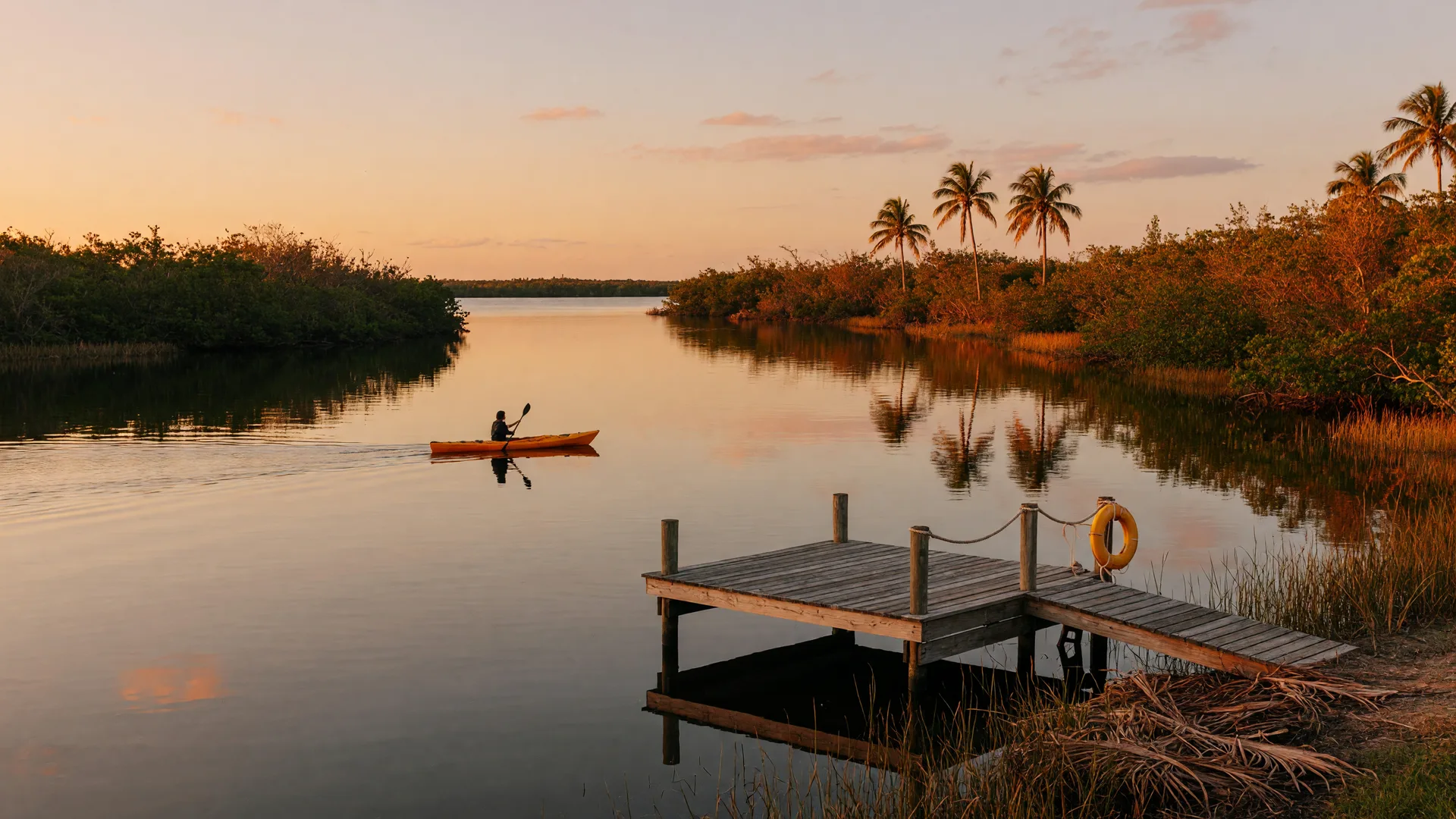
If you prefer quiet water, paddle trips are another low-key option. Kayakers and paddleboarders regularly encounter dolphins in the Loxahatchee River and near MacArthur Beach, and my kayaking and paddleboarding guide covers the launch sites and the rules that apply on the water.
What about Peanut Island and the Lake Worth Lagoon?
Peanut Island, sitting in the Lake Worth Lagoon off Riviera Beach, is another reliable spot to see dolphins and manatees without leaving protected water. The island has no car bridge, so visitors reach it by the public Peanut Island Shuttle Boat, by private boat, or by kayak, and the short crossing is through the same channel where dolphins are frequently seen. Once ashore, the island's walking paths, snorkel lagoon, and picnic areas make it an easy half-day outing that often doubles as a wildlife trip.
The lagoon between the Flagler Drive waterfront and the barrier island is also worth watching on any given day. Dolphins travel this channel routinely, and residents along the West Palm Beach waterfront report sightings from their windows and docks. If you are staying downtown, a walk along the waterfront and a little patience can be all the planning you need.
What Rules Protect Dolphins in the Wild?
Dolphins in Florida waters are protected by the federal Marine Mammal Protection Act, and the rules for watching them come straight from NOAA Fisheries and the Florida Fish and Wildlife Conservation Commission. Feeding wild dolphins is illegal, and so is harassing them. Harassment includes chasing them with a boat, blocking their path, swimming with them, or otherwise disrupting their normal behavior.
For boaters, the guidance is simple: keep a respectful distance, at least 50 yards where you can manage it, slow down in areas where dolphins are present, and if dolphins choose to bow-ride or swim alongside, put the engine in neutral and let them pass. Never feed them, never throw bait or food toward them, and never encourage encounters. These rules protect the animals, and they protect the experiences everyone else is trying to have out there. NOAA's wild dolphin viewing guidance lays it all out clearly.
What if dolphins swim up to your boat anyway?
Dolphins are curious animals, and they sometimes approach boats on their own, bow-riding the wake or surfacing close alongside. That is their choice, and the right response is to stay calm, keep the engine in neutral or gear down, and let them pass without changing course to follow. Resist the urge to reach out or toss anything their way, and never steer toward a dolphin to get a better view. A boat that slows down and holds its line gives the animals room to decide, which is exactly how the best encounters happen.
How Does the Waterfront Lifestyle Connect to Dolphin Watching?
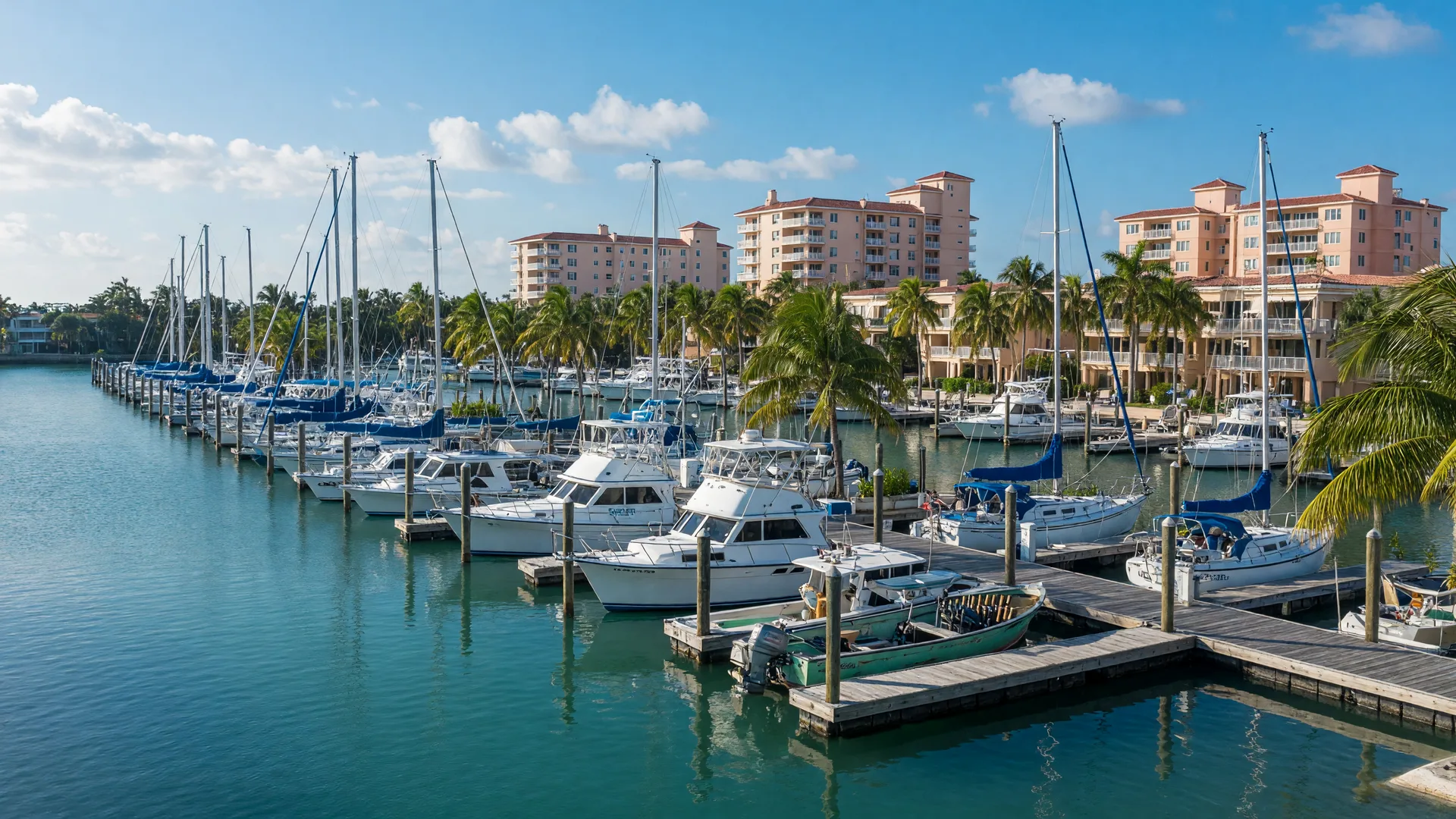
Here is where the real estate conversation comes in. People who live along the Intracoastal, on a canal, or in a boating community like Jupiter or Lake Clarke Shores tend to see dolphins from their own docks and yards, because dolphins use the same waterways that residents boat on. For many buyers, that daily connection to the water is the entire point of buying waterfront.
It is also why water questions come up in nearly every waterfront conversation I have: How deep is the water at my dock? What bridges stand between me and the inlet? What is the state of the seawall? What does the flood zone mean for insurance? None of that should discourage you. It just means buying water-adjacent deserves the same careful due diligence as any major purchase. My waterfront homes overview and the Jupiter community guide are good places to start, and I am always glad to walk through the practical details with buyers who are new to the water.
If you are moving to Florida and the water is part of the draw, my relocation guide covers the bigger picture of getting settled in Palm Beach County, from neighborhoods to the logistics of the move itself. And whenever you are ready to talk about what waterfront home fits your life, I am a phone call away.
Drawn to the Water? Let's Find Your Place on It.
If dolphin watching has you dreaming about a home on the water, I can help you understand what waterfront living really involves here: canals and inlets, docks and seawalls, bridge clearance, flood zones, and the communities that put you close to the lifestyle. Call (561) 236-9772 or schedule a conversation, no pressure.
Rhonda Townsend, REALTOR® · A.I. Certified Agent™ · United Realty Group
(561) 236-9772 ·
rtownsendrealestate@gmail.com
Frequently Asked Questions
Sources
Sources referenced in this article:
- • NOAA Fisheries — Official guidance on watching wild dolphins from a respectful distance
- • Florida Fish and Wildlife Conservation Commission — State wildlife agency information on Florida's dolphins
- • Discover The Palm Beaches — Palm Beach County's official tourism and visitor information
Disclaimer: This article is provided for general educational and real estate information only. It is not legal, tax, financial, insurance, environmental, engineering, or property-inspection advice. Real estate requirements, costs, risks, policies, and market conditions vary by property and may change. Consult qualified professionals regarding your individual circumstances.