Key Takeaways
- When a home is not selling in Palm Beach County, the cause almost always sits in one of three buckets: price, marketing, or condition. Diagnose each one with data before changing anything.
- Price is the single strongest lever. If your list price is out of line with recent, similar sales in your community, the right buyers will pass over your listing entirely.
- Marketing matters beyond the sign in the yard: professional photos, a strong description, video, and broad exposure across the local MLS and major portals all affect how many qualified buyers ever see your home.
- Condition shows up twice: first in online photos and curb appeal, then again the moment a buyer steps through the door. Small, inexpensive fixes often matter more than big ones.
- Days on market is a signal, not a verdict. A good agent will review your feedback, re-examine the comps, and build a written plan to get you back in front of buyers with confidence.
If your home is not selling in Palm Beach County the way you expected, the reason almost always comes down to one of three things: price, marketing, or condition. Each of those can be measured, and each can be improved with a clear plan. This article walks through how to figure out which one is holding your listing back, and what to do about it.
I'm Rhonda Townsend, a REALTOR® with United Realty Group serving Wellington, West Palm Beach, Lake Clarke Shores, and surrounding communities. When a seller calls me because a listing has slowed down, I start with the same three questions every time: What are buyers actually paying for comparable homes? How is this house being presented to those buyers? And what does the property itself communicate the moment someone pulls up? Working through those questions turns a frustrating situation into a concrete plan.
Why Is a Home Not Selling in Palm Beach County?
Buyers are not confused about what they are looking for. They arrive with a budget, a checklist, and a set of recent sales they have seen online, and they are comparing your home against everything else in their search results every day. A listing stalls when it drops out of that comparison, and that almost never happens because of bad luck.
More commonly, one of three things is out of alignment. The price sits above the range the data supports, so search filters and appraisals work against you. The marketing is too thin, so too few qualified buyers ever see the listing or feel compelled to visit it. Or the condition sends a weak signal in photos and in person, so fewer showings convert into offers. Your first job is to diagnose which one, or which combination, is at work before you change anything.
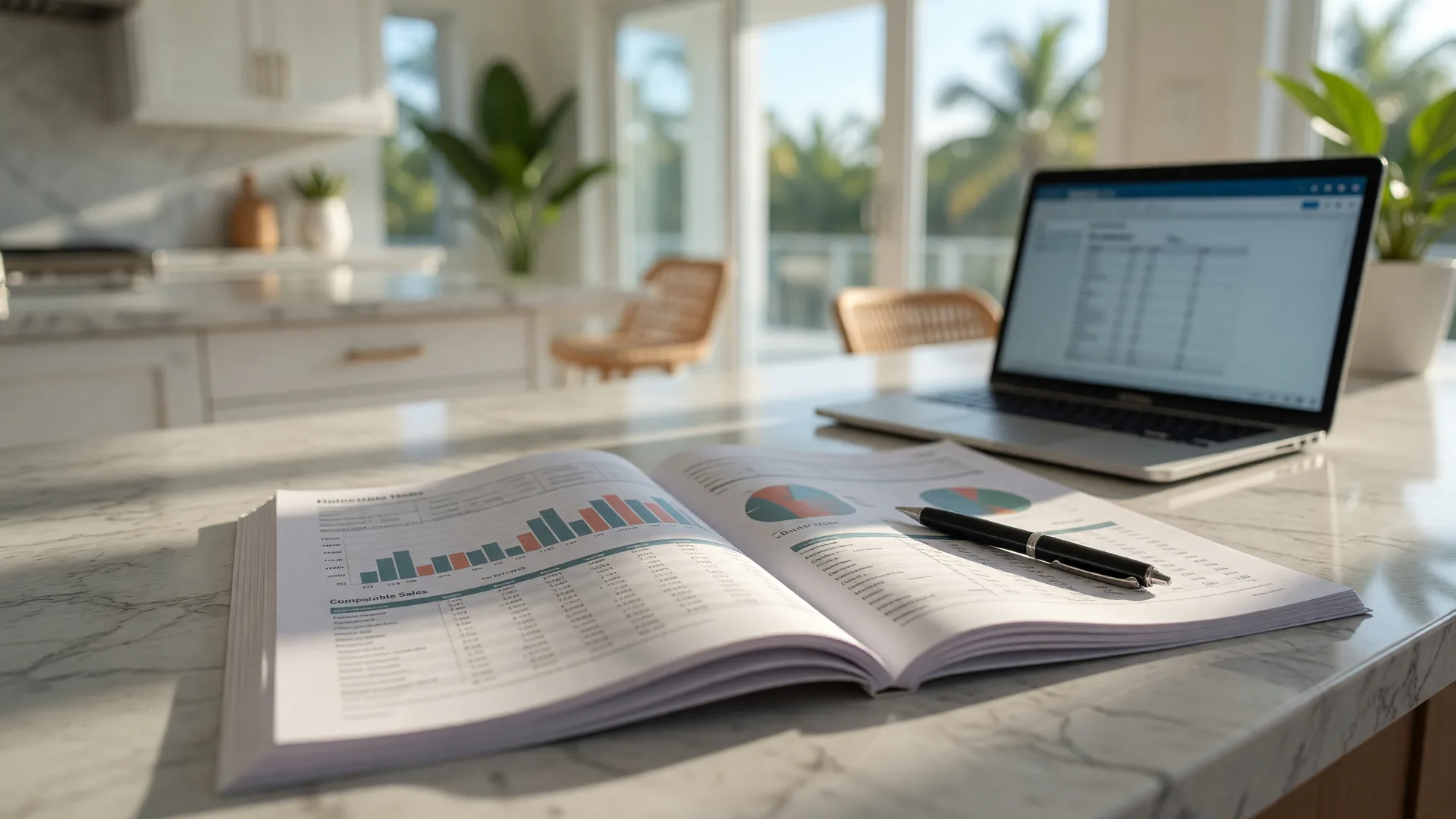
Your agent has the tools to do this objectively. A fresh comparative market analysis tells you what similar homes have actually sold for. Showing feedback tells you what visitors are saying. Listing analytics show how many views and saves your home is getting compared with similar properties. Put those three together and the weak link usually appears quickly.
Is the Price the Problem?
Price is the strongest lever in a real estate transaction, and it is almost always the first thing to review. Buyers search by price range, and appraisers and lenders anchor on recent closed sales. If your list price is above what similar homes have sold for in your community, the most interested buyers will simply never see your home in their search, or they will scroll past it because the numbers do not match.
A good diagnosis starts with current, similar sales: comparable homes in your neighborhood or a very close one, with similar square footage, bedrooms, condition, and lot features. Sold prices, not list prices, are what matter, because list prices can sit above reality for a long time. This is exactly what a comparative market analysis is built to show you, and it is the same document my guide to how homes are priced in Palm Beach County walks through in detail.
What if the price is already fair?
Sometimes the price is right and the home still is not selling. In that case, keep the price steady and look at the other two buckets first before reducing it. A single well-timed reduction to a realistic number is still your most powerful move later on, but you want it to cause a real shift in buyer perception, not a series of small cuts that make a listing feel tired. Save that leverage for when you know price, not presentation, is the actual problem.
Is the Marketing Working?
Marketing is how you turn a correct price into traffic. In current Palm Beach County market practice, that means professional photography that shows the home in its best light, a description that highlights the features buyers in your community actually care about, video or virtual tours where they add value, and placement on the local MLS plus the major home search portals where buyers start their day.
Ask your agent for plain answers: How many showings has your home had compared with comparable listings? How do its online views and saves look next to similar properties? When buyers arrive, do they already feel excited by what they saw online, or do the photos undersell the home? If traffic is strong but offers are few, marketing is working and the issue sits elsewhere. If traffic is weak, exposure and first impressions are likely part of the story.
Presentation extends to the online experience too. Light, clutter-free rooms, a tidy yard, and a clear description of what makes the home special all matter enormously. My home staging checklist for Palm Beach County sellers covers the room-by-room details that help listings photograph and show well without a big budget.
Is the Condition Holding Buyers Back?
Buyers in today's market are mindful of their budget, and they read condition as a stand-in for future costs. A worn kitchen, dated paint, an old roof, or a tired yard does not just look unattractive; it signals that more money and effort are coming after closing. Some of that is fair and some of it is perception, but perception drives offers either way.
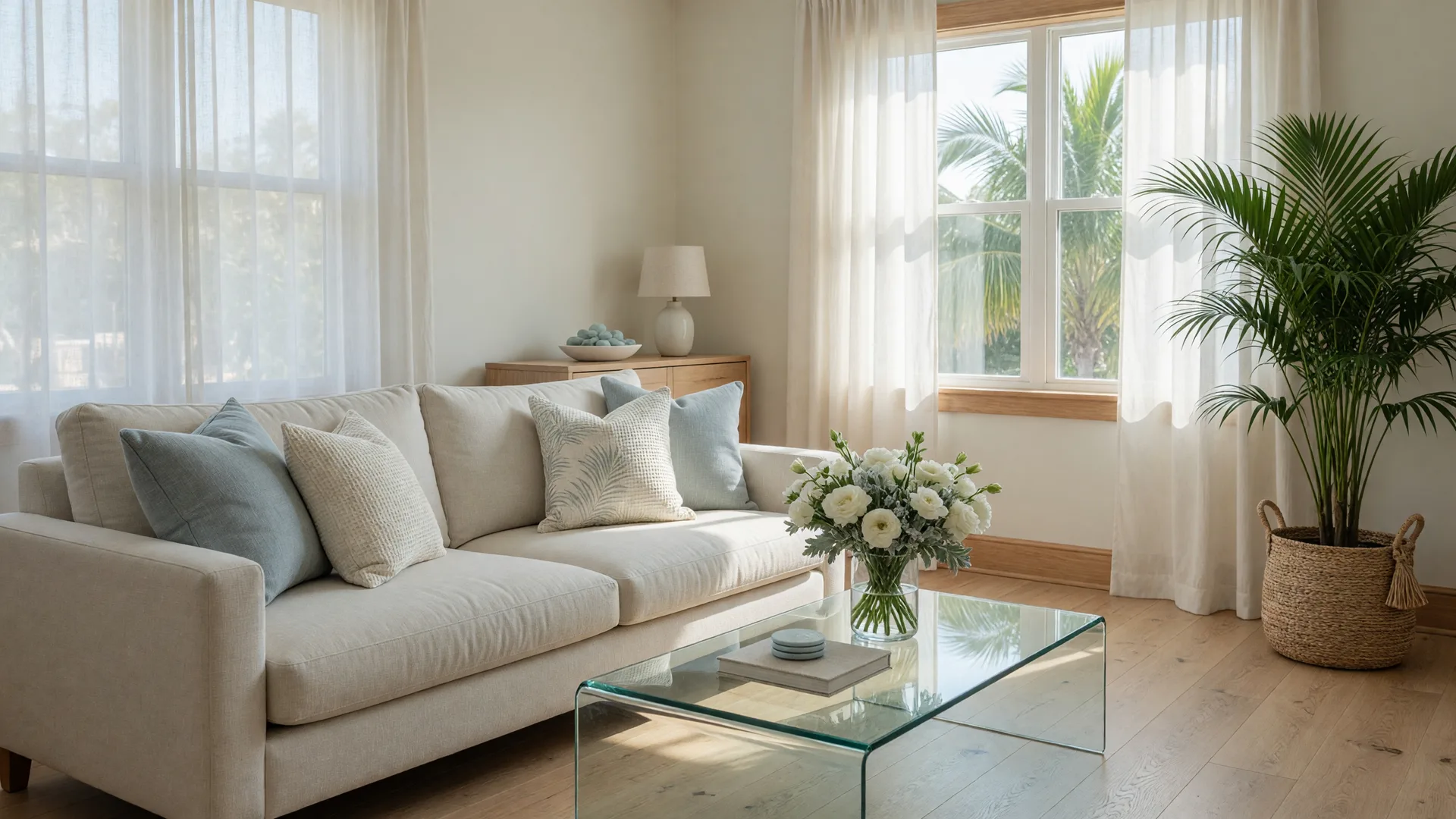
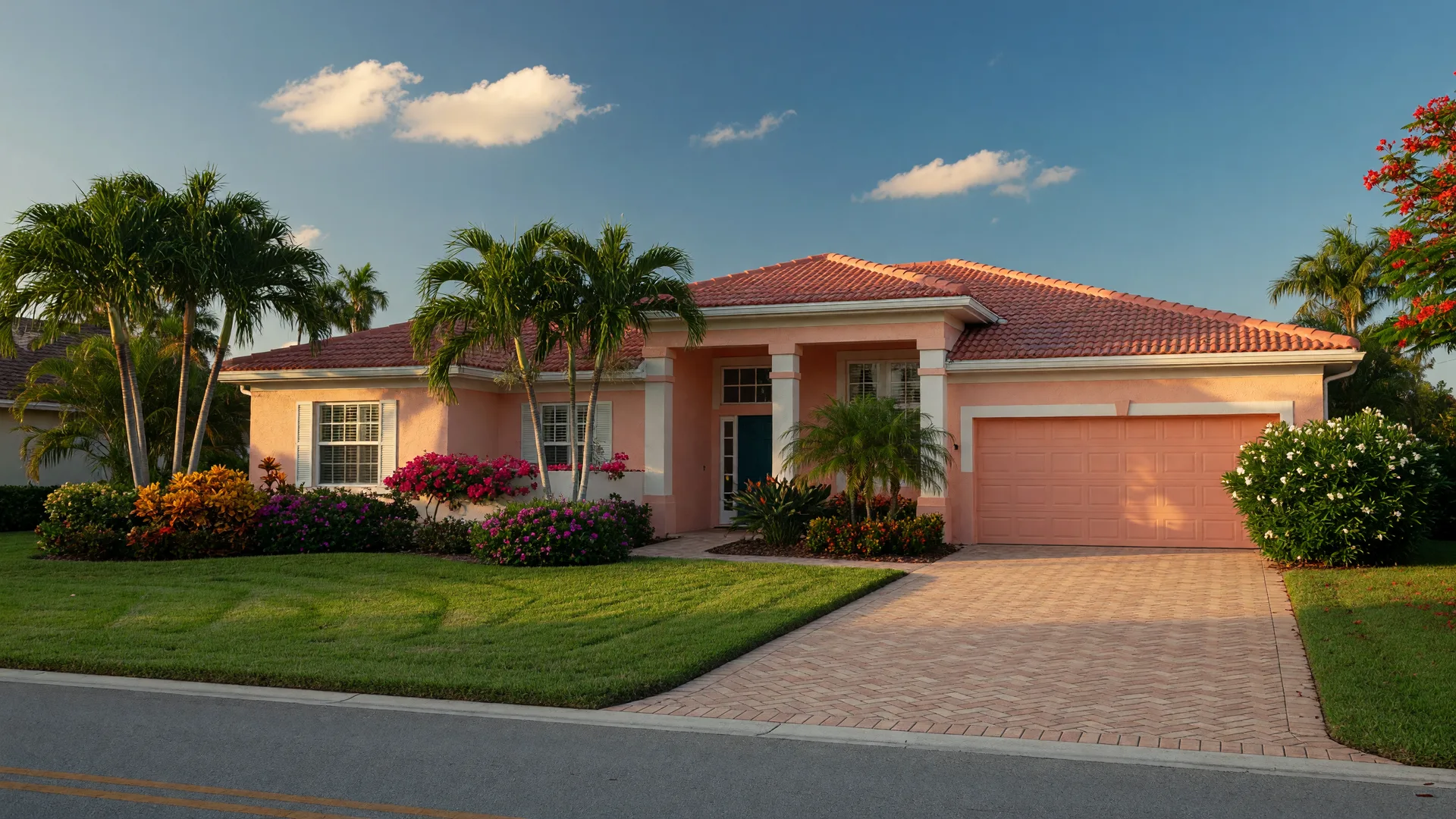
Condition shows up twice, and each matters differently. First, it shows up in the photographs, where curb appeal and the first interior shot decide whether a buyer clicks or scrolls. Then it shows up when people walk through the door, where smells, noise, light, and small imperfections register instantly. Small and inexpensive fixes, like fresh paint, clean floors, bright light bulbs, and trimmed landscaping, often move the needle more than large projects, especially when a home has been on the market for a while.
If you are deciding what to fix first, ask your agent to prioritize based on showing feedback. Buyers will tell you, through comments and through their actions, whether the problem is deep in the bones of the house or just in the presentation. My guide to reading a comparative market analysis can also help you see how your home's condition compares with the comps it is being measured against.
What small fixes give the biggest return?
If the feedback points to condition, start with the fixes that show up in photos and in the first five minutes of a tour. Fresh interior paint in a neutral color, bright light bulbs in every fixture, a deep clean of floors and windows, and a tidy, trimmed exterior all change how a home reads in photographs for a very small cost. Replace any burned-out fixtures inside and out, swap an aging front door if it looks tired, and touch up the baseboards and corners where the camera zooms in.
Bigger items, like a kitchen refresh, a bathroom update, or a roof repair, deserve a conversation with your agent first, because the return on those depends on your neighborhood and your price range. An updated kitchen in a moderate price range often carries real weight with buyers; the same renovation in the most expensive tier may be expected anyway. The rule of thumb is to fix what is visibly tired and priced within reason, and to let the showings, not the contractor, tell you what matters next.
How Long Is Too Long on the Market?
Every market has a typical marketing time, and it shifts with the season and the community. In the slower summer months, Palm Beach County listings often take longer to sell than in the peak winter season, and smaller or specialized communities have different rhythms than busy city neighborhoods. Days on market alone does not tell you much until you compare it with the local average for similar homes.
What matters more than the calendar is the trend. If showings have slowed to a trickle, if feedback repeats the same theme about price or condition, or if your home has noticeably more days on market than its direct competition, it is time for a reset conversation with your agent. That conversation should end with a written plan, not just a pep talk: what changes, by when, and how you will measure the response.
One practical note: a brief pause can be part of a healthy strategy. Taking a home off the market for a short reset, making targeted improvements, and relaunching with fresh photos and a fresh date is a well-established way to reset buyer perception. Whether that fits your timeline depends on your situation, so talk it through with your agent before deciding.
What Should You Do Next, Step by Step?
If you want a clear path forward, here is the sequence I recommend to every seller whose home has stalled:
- Get fresh data. Ask for an updated comparative market analysis built from the most recent closed sales in your community, not the ones from six months ago.
- Gather honest feedback. Pull together showing comments and listing analytics so you can see whether the issue is traffic, first impressions, or the number itself.
- Fix what is cheap first. Address the small presentation issues that show up in photos, then move to bigger items only where feedback says they are the blocker.
- Align the price with the data. If comparable sales sit below your list price, plan one decisive adjustment rather than a series of small ones.
- Relaunch intentionally. Fresh photos, a refreshed description, and renewed exposure can give a listing a genuine second chance.
Selling a home that has slowed down can feel discouraging, but it is one of the most fixable situations in real estate. The homes in your community that sold did so because their price, presentation, and exposure lined up. Yours can too. If you are in Wellington, West Palm Beach, Lake Clarke Shores, or anywhere else in Palm Beach County and want a second opinion on why your home is not selling, I am glad to start a conversation. Reach out at (561) 236-9772 or through the contact page, and we can look at your listing together, no pressure.
Wondering Why Your Home Hasn't Sold?
I can review your listing, compare it with recent sales in your community, and help you understand what buyers are really responding to. We can look at price, presentation, and outreach together and build a written plan to get you back in front of buyers. No pressure, just a clear next step.
Rhonda Townsend, REALTOR® · A.I. Certified Agent™ · United Realty Group
(561) 236-9772 ·
rtownsendrealestate@gmail.com
Frequently Asked Questions
Sources
Sources referenced in this article:
- • Florida Realtors — Official state association for Florida real estate professionals
- • Palm Beach County Property Appraiser — Official records and sales data for Palm Beach County properties
- • National Association of Realtors — Research and statistics on home selling and buyer behavior
Disclaimer: This article is provided for general educational and real estate information only. It is not legal, tax, financial, insurance, environmental, engineering, or property-inspection advice. Real estate requirements, costs, risks, policies, and market conditions vary by property and may change. Consult qualified professionals regarding your individual circumstances.