Key Takeaways
- Staging is the process of arranging your home so buyers can picture it as their own, and it starts with decluttering, cleaning, and depersonalizing.
- Buyers focus most on the living room, the primary bedroom, and the kitchen, so those rooms deserve your best effort.
- Curb appeal matters first: the front of the home sets the tone before anyone walks through the door.
- Professional staging is an option, not a requirement; a clean, neutral, well-lighted home goes a long way in any price range.
Home staging is the process of arranging your home so buyers can easily picture themselves living there. For sellers in Palm Beach County, staging does not have to mean renting furniture or hiring a designer, though both are options. In most cases it starts with the basics: decluttering, deep cleaning, removing personal items, and making each room feel open and inviting. This checklist gives you a practical, room-by-room order of operations you can follow before your first showing.
I'm Rhonda Townsend, a REALTOR® with 1st Real Estate Solution Inc. serving West Palm Beach, Wellington, Lake Clarke Shores, and communities across Palm Beach County. When I sit down with sellers, staging is one of the first things we plan, because it is one of the few factors a seller fully controls. Here is the checklist I walk through, starting from the outside and working inward.
What Is Home Staging and Why Does It Matter?
The National Association of REALTORS defines staging as designing and filling a home with furniture, accessories, and decor so buyers can envision the property as their future home. The underlying idea is simple: buyers are better at reacting to what they see than at imagining what could be. A staged room communicates scale, function, and lifestyle; an empty or cluttered room leaves those questions open.
NAR's research on staging consistently finds that buyers' agents say staging makes it easier for buyers to visualize a home, and that staging influences a meaningful share of buyers. Florida Realtors makes the same practical point for sellers: staging helps a home stand out and supports the goal of a smoother, faster sale. It is not a substitute for honest pricing, but it is a lever you can pull before you ever go to market.
In practical terms, staging is also a way to make the most of your showing window. Buyers often form a first impression within seconds of entering a home, and that impression is shaped by what they can see. A home that feels open, bright, and neutral reads as move-in ready; a home that feels crowded or personal leaves room for doubt. Because the cost of staging is small relative to the price of a home, it is one of the most reasonable investments a seller can make in the outcome of the sale.
Where Should You Start: Declutter and Depersonalize
Everything in staging builds on two steps: decluttering and depersonalizing. Start by removing anything that makes the home feel crowded or specific to you. Pack away family photos, wall art with personal meaning, collectibles, and items tied to a particular hobby. The goal is a neutral backdrop that any buyer can mentally move into. Boxed items can go to a storage unit, a garage corner, or an out-of-the-way closet, out of the way of showings.
Decluttering also includes the practical surfaces buyers notice: kitchen counters, bathroom vanities, and closet floors. Reducing counter items to a few intentional pieces makes kitchens and baths look larger. Clearing closet floors and shelves makes storage look generous. If you are not sure where to begin, my week-by-week home preparation checklist spreads these tasks across a realistic timeline so you are not rushing the week before photos.
How Do You Stage Each Room?
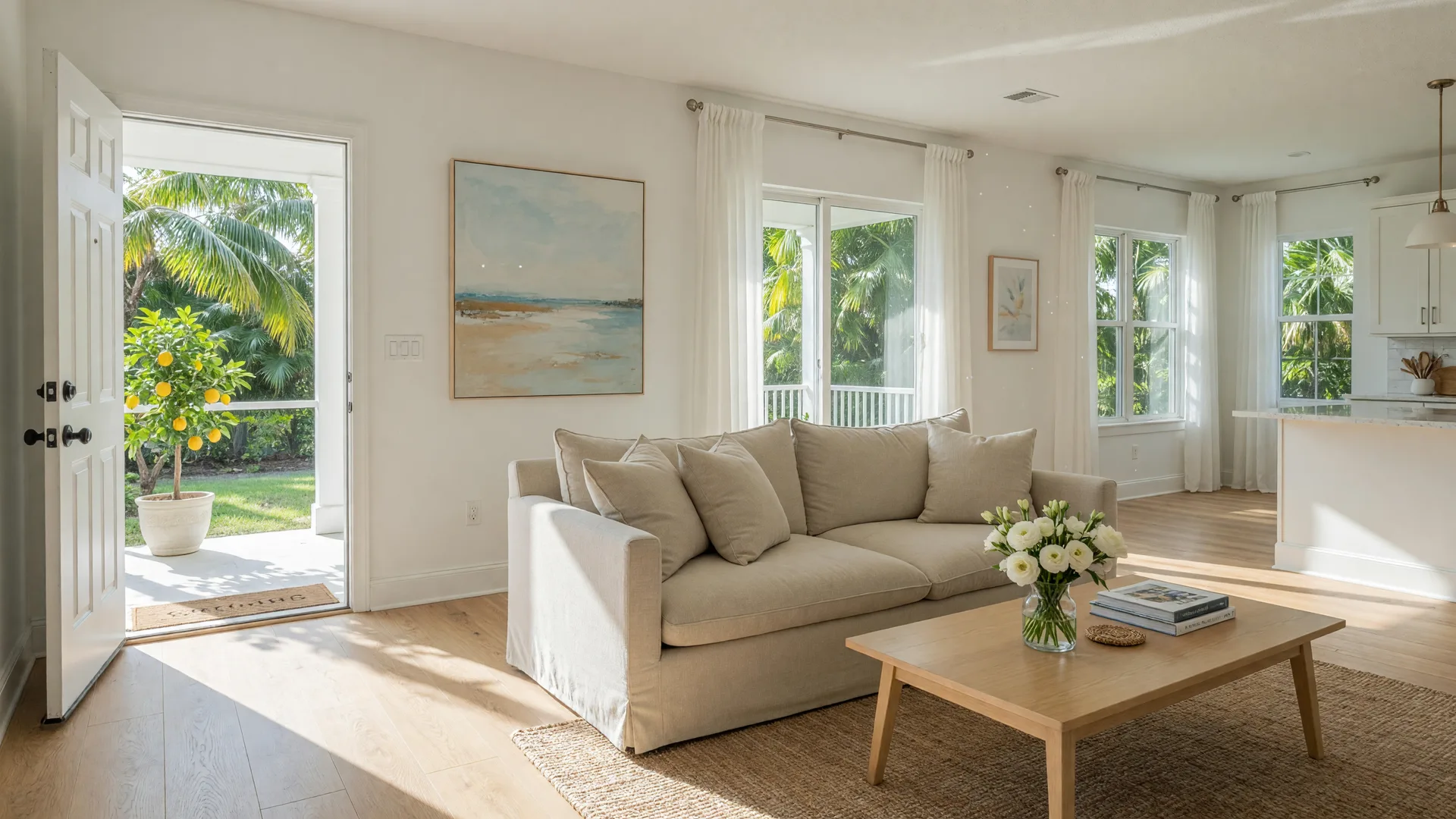
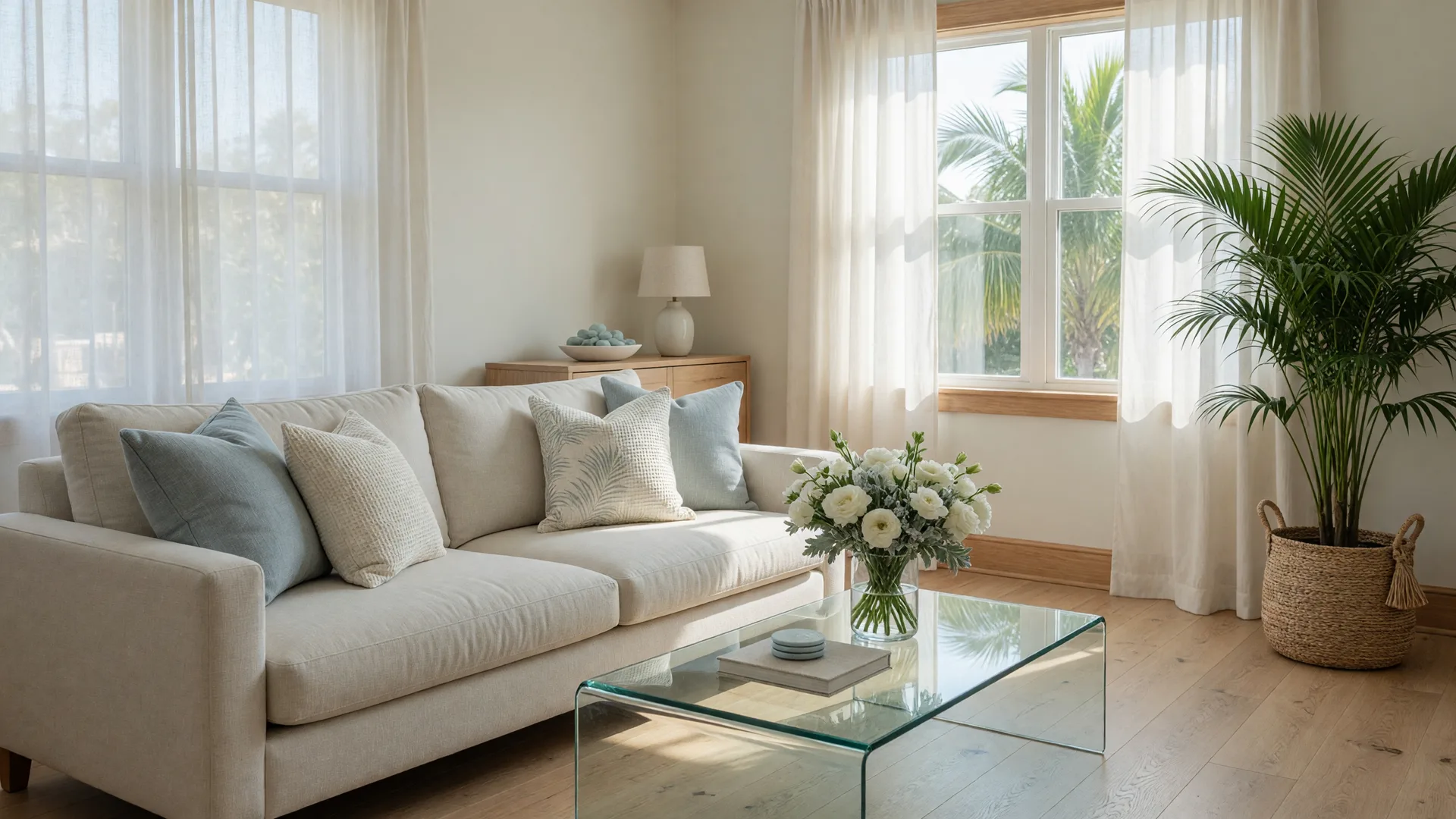
NAR's staging research identifies the living room, primary bedroom, and kitchen as the rooms buyers focus on most, so those deserve your best effort. In the living room, arrange seating so the space feels open and conversational, pull furniture away from walls where it crowds the room, and use one or two accent pillows to add warmth without clutter. In the primary bedroom, aim for a calm, hotel-like feel: a made bed with fresh linens, nightstands cleared to one or two items, and minimal decor.
In the kitchen, clear the counters, clean the appliances inside and out, and remove magnets and papers from the refrigerator. A bowl of fresh fruit or a simple arrangement can add life without looking staged. For secondary bedrooms, keep furniture minimal so buyers can imagine the room's purpose: a bed and a dresser are usually enough. Throughout the house, open blinds and curtains during showings and turn on lights, because bright, natural light is one of the strongest selling tools you have. The NAR consumer guide to staging offers a deeper room-by-room breakdown.
The rooms buyers pass through quickly still matter. In the dining room, set the table simply or leave the surface nearly clear so the space reads as generous. In bathrooms, put out fresh towels, remove personal toiletries from view, and keep counters down to the essentials. If you have a home office, it helps to show it as a functional workspace with a clear desk rather than a catch-all room. And the entryway sets the first impression inside the door, so keep it uncluttered and welcoming, with shoes and coats tucked away. Each of these touches is small on its own, but together they present a home that feels cared for and complete.
What About Curb Appeal and the Exterior?
Staging begins at the curb, because the front of the home sets the tone before anyone walks inside. Mow the lawn, trim the hedges, edge the walkways, and clear leaves and debris. Add fresh mulch to beds and replace any dead plants. Clean the front door, the door hardware, and the porch, and consider a fresh doormat. If the exterior or the paint looks tired, a power wash makes a visible difference on stucco, driveways, and walkways, which matters in Florida's climate.
The backyard matters too, especially in Palm Beach County where outdoor living is a big part of the appeal. Keep the lanai or patio swept, arrange outdoor furniture in inviting groups, and clean the pool if you have one. If you have screens over the lanai, check for tears or gaps, because an intact screened area is a real selling point here. Buyers are often imagining summer evenings outdoors, and a presented backyard supports that picture. If your home has outdoor spaces that could shine with a little work, treat them as rooms of the house and stage them accordingly.
Should You Hire a Professional Stager or Go Virtual?
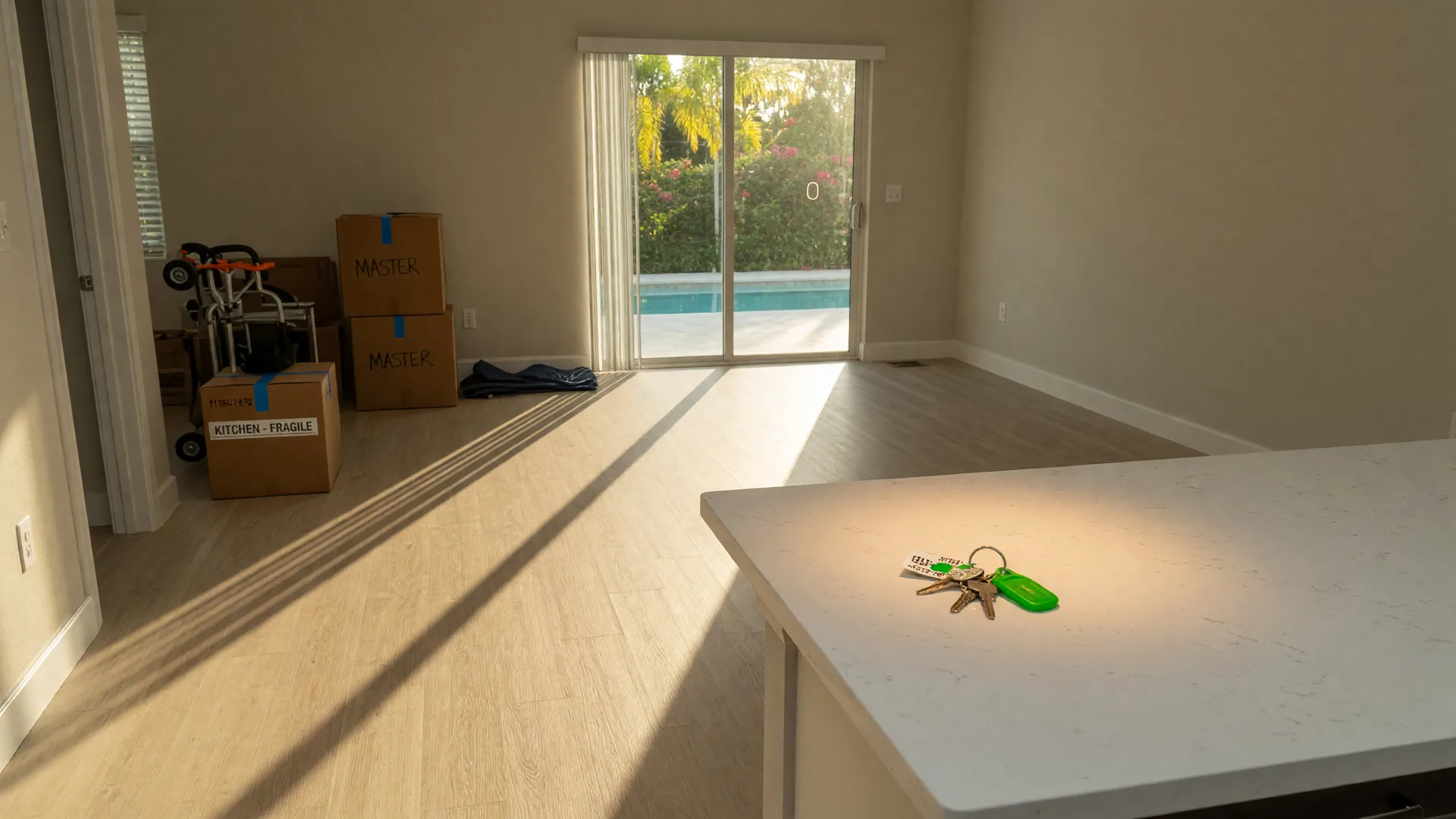
For many sellers, careful self-staging is enough, especially in a home that is already furnished and in good condition. But there are two cases where outside help earns its cost. The first is an empty home: buyers struggle to judge room size without furniture, and a stager or furniture rental can fill the key rooms so buyers understand the scale. The second is a home that needs an objective eye. A stager charges a fee, and furniture rental adds a monthly cost per room, but the investment can pay off in how the home photographs and how quickly it draws interest.
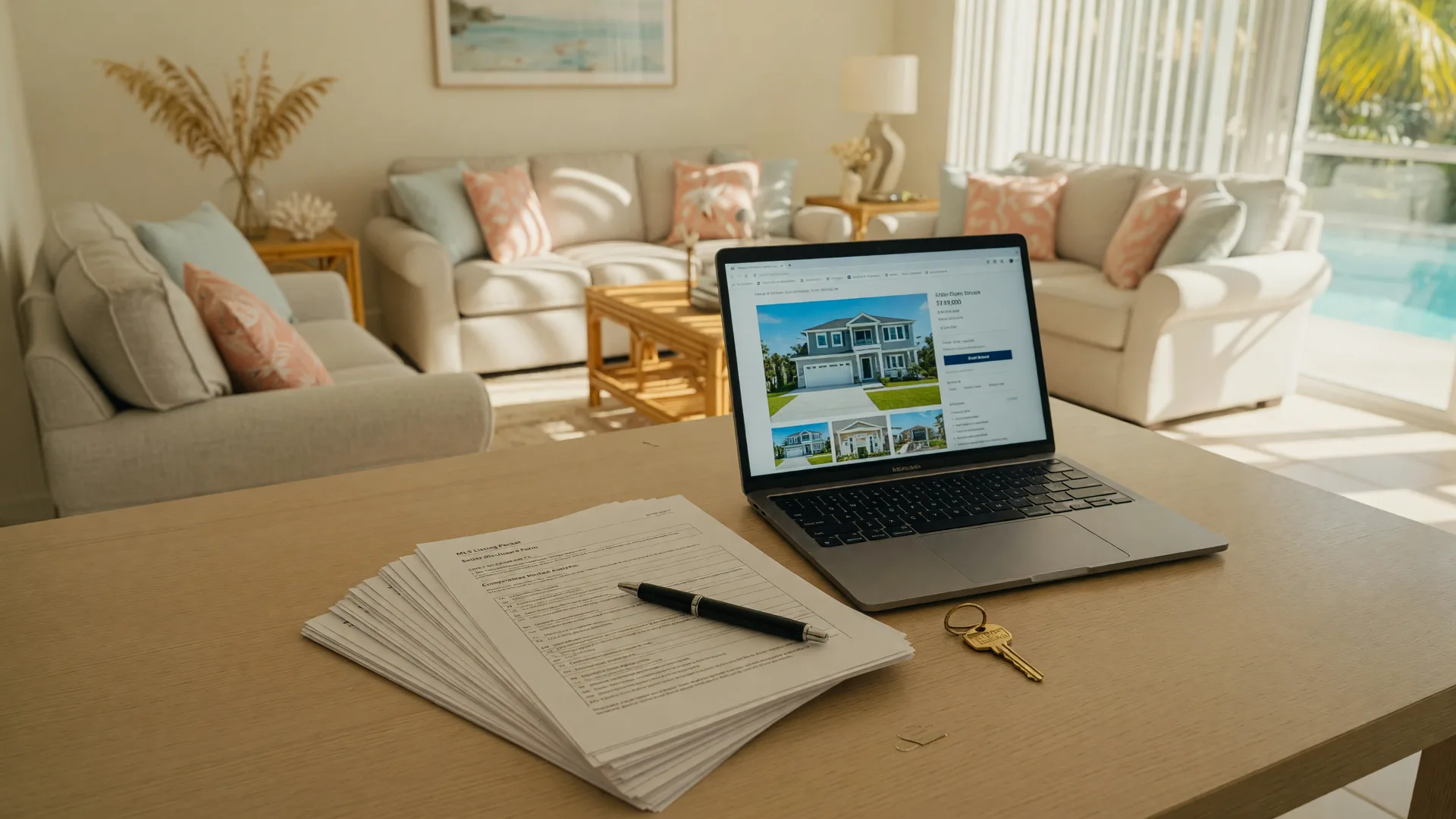
Virtual staging, where photos of empty rooms are digitally furnished, is another tool, primarily for online listings. Florida Realtors notes that if you use virtual staging, the digitally furnished photo should be paired with the original so buyers and agents are not misled about the actual condition of the room. Ask your agent how your local MLS handles virtually staged images before you use them.
What Is the Smartest Staging Order of Operations?
Work in an order that builds on itself. First, complete any repairs, because staging a room with a visible problem wastes the effort. Next, declutter and depersonalize throughout the house. Then deep clean, because staging showcases a clean home. After cleaning, arrange furniture and add the finishing touches like fresh linens, towels, and a few neutral accents. Finally, address curb appeal so the outside is ready when photos and showings begin.
Save the last pass for the details buyers notice: light bulbs working, windows streak-free, mirrors clean, pet items and odors removed, and a subtle neutral scent if you choose one. Then keep the home showing-ready: beds made, counters clear, and dishes out of the sink between showings. A home that looks the same in person as it does in photos builds trust, and that trust supports a smoother transaction from offer through closing.
Staging is most effective when it is part of a complete plan rather than a last-minute scramble. That plan includes the repairs, the disclosures, the pricing, and the marketing that happen around the staging itself. My complete guide to selling a home in Palm Beach County walks through the whole process from the first steps to the closing table, so you can see where staging fits and what comes next after the house is show-ready. It is a practical companion to this checklist, and it can help you keep the bigger picture in view while you work through the room-by-room details.
If you are getting ready to sell and want help planning your staging, your repairs, and your timeline, call me at (561) 236-9772 or email rtownsendrealestate@gmail.com. I can walk through your home with you, help you set priorities, and connect you with local professionals when you need them. There is never any pressure, just a plan.
Ready to Get Your Home Show-Ready?
Staging is one of the highest-leverage steps you can take before listing, and I can help you plan the whole process: repairs, decluttering, staging priorities, and timing. Tell me about your home and your timeline, and we can build a practical checklist together. There is never any pressure.
Rhonda Townsend, REALTOR® · A.I. Certified Agent™ · 1st Real Estate Solution Inc.
(561) 236-9772 ·
rtownsendrealestate@gmail.com
Frequently Asked Questions
Sources
Sources referenced in this article:
- • National Association of REALTORS — What Is Home Staging?
- • National Association of REALTORS — Consumer Guide: Staging Your House for a Sale
- • Florida Realtors — The Case for Home Staging
- • Florida Realtors — Home Staging: Set the Scene for a Sale
Disclaimer: This article is provided for general educational and real estate information only. It is not legal, tax, financial, insurance, environmental, engineering, or property-inspection advice. Real estate requirements, costs, risks, policies, and market conditions vary by property and may change. Consult qualified professionals regarding your individual circumstances.