Key Takeaways
- Renovating lets you keep your neighborhood, lot, layout, and existing mortgage. Moving lets you change all of them at once. Neither is automatically better.
- The data consistently shows that small, targeted projects recover more of their cost at resale than large ones, and most homeowners remodel for enjoyment rather than profit.
- Selling a home has real costs of its own, including agent commissions and closing costs, so compare both paths with total costs on the table.
- Before you decide, gather three concrete inputs: a renovation estimate, a current home inspection, and a realistic market value of your home as it sits today.
Should you renovate your current home or move to a new one? The honest answer is that neither path is automatically better, and the right choice depends on your budget, your timeline, and how well your current home fits your life. This guide walks through the cost, value, and lifestyle questions that will help you decide with confidence in Palm Beach County.
I'm Rhonda Townsend with 1st Real Estate Solution Inc. When homeowners are weighing a remodel against a move, I help them see both sides clearly: what their current home is really worth, what a sale would produce, and how a renovation compares. If you are at this crossroads, this article is a good starting point.
When Does Renovating Your Current Home Make Sense?
Renovating makes the most sense when you love your location but the house itself is holding you back. If the neighborhood, the commute, the lot, and the neighbors all work for you, staying put can save you the stress and cost of a move while giving you the kitchen, bathroom, or extra room you actually want.
There are also financial reasons to stay. If you bought or refinanced within the last few years, your current mortgage rate may be well below today's market. Replacing a low rate with a new loan on a different home changes your payment in ways a remodel does not. Keeping your existing mortgage and financing the work with savings, a home equity line, or a renovation loan can leave your housing payment far lower than a move would.
When the existing layout and lot fit
Renovation works best when the bones are good. A solid roof, a functional layout, and a lot that gives you room to expand all point toward staying. In established communities across Wellington, West Palm Beach, and Lake Clarke Shores, an updated interior on a great lot is often exactly what a future buyer would look for, which means your work can hold real value.
When Does Moving to a New Home Make Sense?
Moving makes more sense when the problem is the location, the size, or the layout itself. If you need more bedrooms, a bigger yard, a pool, a home office, or a completely different neighborhood, no amount of remodeling can change the property it sits on. A move also lets you reset: a different community, a different floor plan, and a home that fits your next chapter rather than a patched-together version of the old one.
Some homeowners reach the point where the renovation simply would not add the value they hoped. If you over-improve a home for its neighborhood, you may spend more than the market will ever return. That is a common trap, and it is exactly why comparing the two paths matters before you write the first check.
If you are thinking about moving, my guide to selling your home in Palm Beach County and my buyer's guide walk through what each side of the transaction involves, from pricing and preparation to offers and closing.
There is also a lifestyle dimension that the math cannot capture. If the reason you are considering a move is to be closer to family, work, a better commute, or a community that fits you better, those priorities are legitimate reasons to move even when the numbers lean toward renovating. Write down what a move would actually change about your daily life, not just your monthly payment, and weigh that against the months of dust and disruption a remodel brings.
How Do You Compare the Real Costs of Both Paths?
The biggest mistake homeowners make is comparing a renovation estimate to a new purchase price without adding in the costs on both sides. Let's build a fair comparison.
- The renovation path: the contractor's bid, plus a contingency of 10 to 20 percent for surprises, plus permits, plus the cost of temporary disruption. You also need an honest view of how much value the work adds to your specific home.
- The move path: the new purchase price, plus closing costs and title fees on the purchase, plus agent commissions and closing costs on your sale, plus moving costs. Those selling-side costs can amount to a meaningful share of your sale price.
- The financing difference: your current mortgage rate versus today's rate, and what a new loan would do to your monthly payment.
When both lists are written down, the answer often becomes clear. Sometimes the remodel is dramatically cheaper. Other times, a move costs surprisingly close to a big renovation, and you end up with a brand new home instead of an old one with new paint. Seeing the numbers side by side is the only way to know.
How would you pay for the renovation?
Financing matters as much as the estimate itself. If you have savings, you avoid interest altogether and keep the project simple. A home equity line of credit lets you draw only what you need and is secured by your home, which usually means a lower rate than a personal loan. A renovation mortgage such as Fannie Mae's HomeStyle product bundles the cost of the work into a single loan on the property, which can be useful if you are refinancing anyway or buying a fixer. Your lender can walk you through which option fits your equity and your plans.
One caution: if you are financing a remodel partly because you expect the finished home to sell for more, make sure that assumption is realistic for your neighborhood. A comparative market analysis of recently sold homes tells you what buyers are actually paying, which keeps your budget honest from the start.
What Does the Data Say About Renovation Value vs. Enjoyment?
The National Association of Realtors publishes an annual remodeling impact report, and its findings consistently point one direction: modest, low-cost projects tend to recover more of their cost at resale than large ones, while homeowners remodel mostly for enjoyment, not profit.
Projects like a new entry door, a refreshed kitchen, or updated finishes typically return a higher share of their cost than a full addition or a complete kitchen and bath overhaul. The report also notes that the projects owners enjoy the most, the ones with the highest satisfaction, are often the larger ones. In other words, if you are remodeling to love your home for years, you can justify a bigger project. If you are remodeling mainly to increase resale value, keep the scope focused.
For a Palm Beach County seller, the practical takeaway is that an updated, well-maintained home prices better, but over-improving for the neighborhood can outpace what buyers will pay. A local agent who knows your market can tell you where that line is.
What About Permits, Contractors, and Timelines?
Florida is strict about permits, and for good reason: unpermitted work can create real problems when you sell. Structural changes, electrical, plumbing, and many roofing and window projects require permits and inspections from your local jurisdiction. Before you commit to a contractor, confirm they will pull the proper permits and that the work will be inspected and closed out.
Buyers and their lenders do check permit history, and unpermitted renovations frequently surface during a sale. If your home already has unpermitted work, resolving it before you list, or disclosing it clearly, is part of a smooth transaction. The Palm Beach County government website is a good place to start for local permitting and zoning information.
Timelines matter too. A renovation can take weeks or months, especially in a busy season when contractors are booked. A home sale, from listing to closing, typically runs 45 to 60 days or more once you are under contract. If your timeline is fixed, such as a job move or a school year, that may settle the question for you.
How Can You Get a Clear Picture Before You Decide?
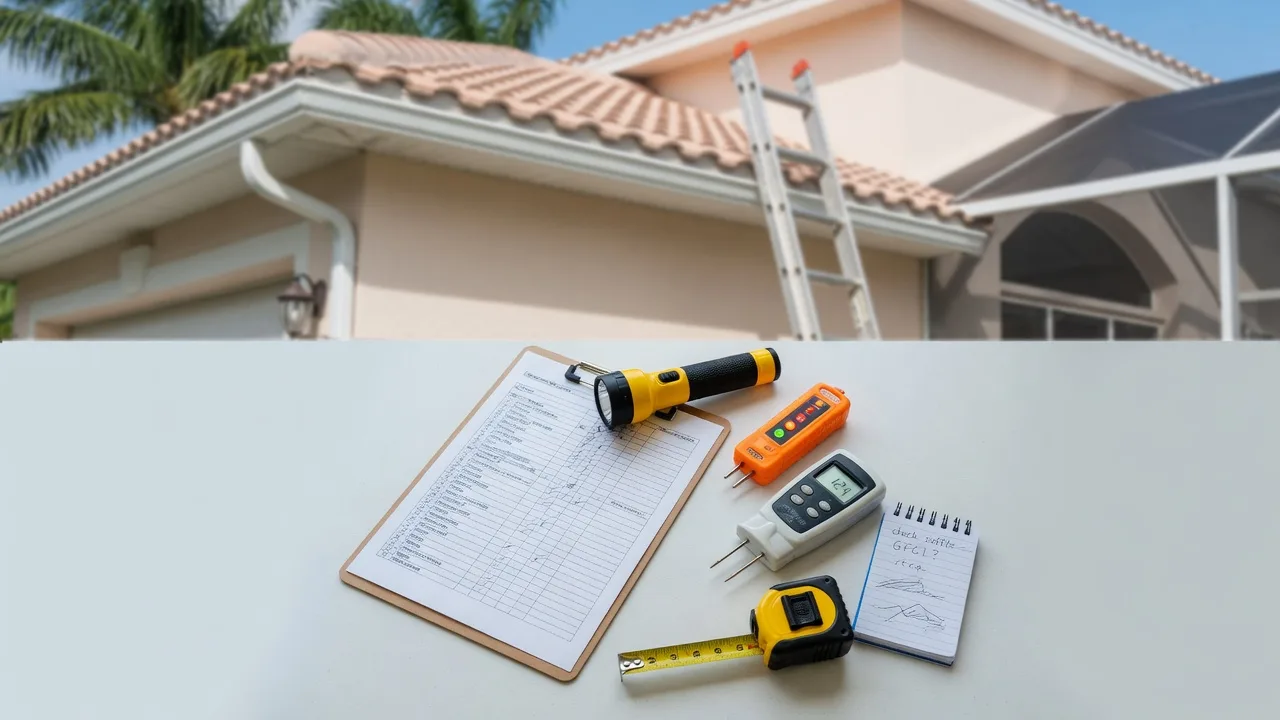
Before you make any decision, gather three concrete inputs. First, a written estimate from a licensed contractor for the specific work you want. Second, a current home inspection so you know what repairs lurk beneath the surface. Third, a realistic market value of your home as it sits today, which you can get from a comparative market analysis.
With those three numbers, the math becomes clear. Your equity and sale proceeds are part of this calculation too, and my guide to using home equity explains how the money in your current home supports your next move.
If you are comparing communities as part of the decision, exploring what your budget buys in different areas helps ground the choice. Neighborhood guides like Wellington, West Palm Beach, and Lake Clarke Shores give you a feel for the housing styles, lots, and lifestyles each offers.
Deciding whether to renovate or move is a big call, and you do not have to make it alone. Reach out and we can put the numbers side by side, talk through your goals, and build a plan that fits your budget and your life.
Deciding Between Renovating or Moving?
This is one of the biggest money decisions a homeowner makes. I can help you get a realistic market value for your home as it is today, explain what your proceeds would look like if you sold, and walk through how a move compares to the renovation. No pressure, just a clear picture.
Rhonda Townsend, REALTOR® · A.I. Certified Agent™ · 1st Real Estate Solution Inc.
(561) 236-9772 ·
rtownsendrealestate@gmail.com
Frequently Asked Questions
Sources
Sources referenced in this article:
- • National Association of Realtors — NAR remodeling research and cost vs. value data
- • Fannie Mae HomeStyle Renovation — Renovation financing program details
- • Palm Beach County Government — Official Palm Beach County website
Disclaimer: This article is provided for general educational and real estate information only. It is not legal, tax, financial, insurance, environmental, engineering, or property-inspection advice. Real estate requirements, costs, risks, policies, and market conditions vary by property and may change. Consult qualified professionals regarding your individual circumstances.