
Key Takeaways
- Palm Beach County requires permits for most structural, electrical, plumbing, mechanical, and addition work. Unpermitted renovations are jobs done without that permit or with a permit left unclosed.
- Buyers can check permit history through the county's public permit portal or through the individual municipality, and should also ask sellers for permit documents during due diligence.
- The standard Florida purchase contract commonly asks sellers to disclose improvements made without required permits, and answering honestly protects everyone in the transaction.
- Unpermitted work can surface in financing review, appraisals, insurance questions, and HOA reviews, so resolving it early usually costs less than ignoring it.
- Finding unpermitted work is not a dead end: buyers can verify, re-permit, or negotiate, and sellers can often handle compliance before closing.
Unpermitted renovations in Palm Beach County are improvements made without a required building permit, or with a permit that was opened but never closed out, and they raise real questions about value, financing, and insurance. The situation is usually solvable: with public permit records, honest disclosure, and a clear plan, buyers and sellers can handle unpermitted work without derailing a deal. This guide explains what counts, why it matters, how to check a home, and what to do when you find something.
I'm Rhonda Townsend with 1st Real Estate Solution Inc., and I help buyers and sellers throughout Palm Beach County plan their next move with less stress and more confidence. Permit questions come up more often than people expect, usually with older homes, waterfront properties, and houses that have changed hands several times. Here is the plain-English version of what I walk my clients through, because the permit record is one of the most practical ways to understand what you are really buying.
What Counts as an Unpermitted Renovation in Palm Beach County?
A renovation becomes "unpermitted" when the work needed a building permit and no permit was obtained, or when a permit was pulled but the job was never closed with a final inspection. Florida's building standards follow the Florida Building Code, and the code requires permits for most construction: structural changes and additions, roofing, heating and cooling systems, plumbing, electrical work, some screen enclosures, and most in-ground pools. Cosmetic updates such as interior painting are typically fine, but anything that touches the structure or a home's systems needs review before work starts.
Where the home sits determines which office issues permits. Unincorporated Palm Beach County is handled by the Planning, Zoning and Building Department, and most cities and villages, including West Palm Beach, run their own building departments with their own records. When you are evaluating a property, you need the right file: a West Palm Beach Home's permit history lives with the city, not the county. If you are unsure which office applies, the county's Building Division Permit Center page explains the process and points you to the records office.
Why Does Unpermitted Work Matter to Buyers?
Unpermitted work matters to buyers for three honest reasons: financing, insurance, and resale value. Lenders and appraisers review public records, and a room or garage that appears to have been added without a permit can raise questions about the home's legal square footage, which can slow an approval. Insurance carriers also ask how improvements were completed, especially additions, pools, and electrical changes, and an undocumented project can attract follow-up questions before a policy is finalized.
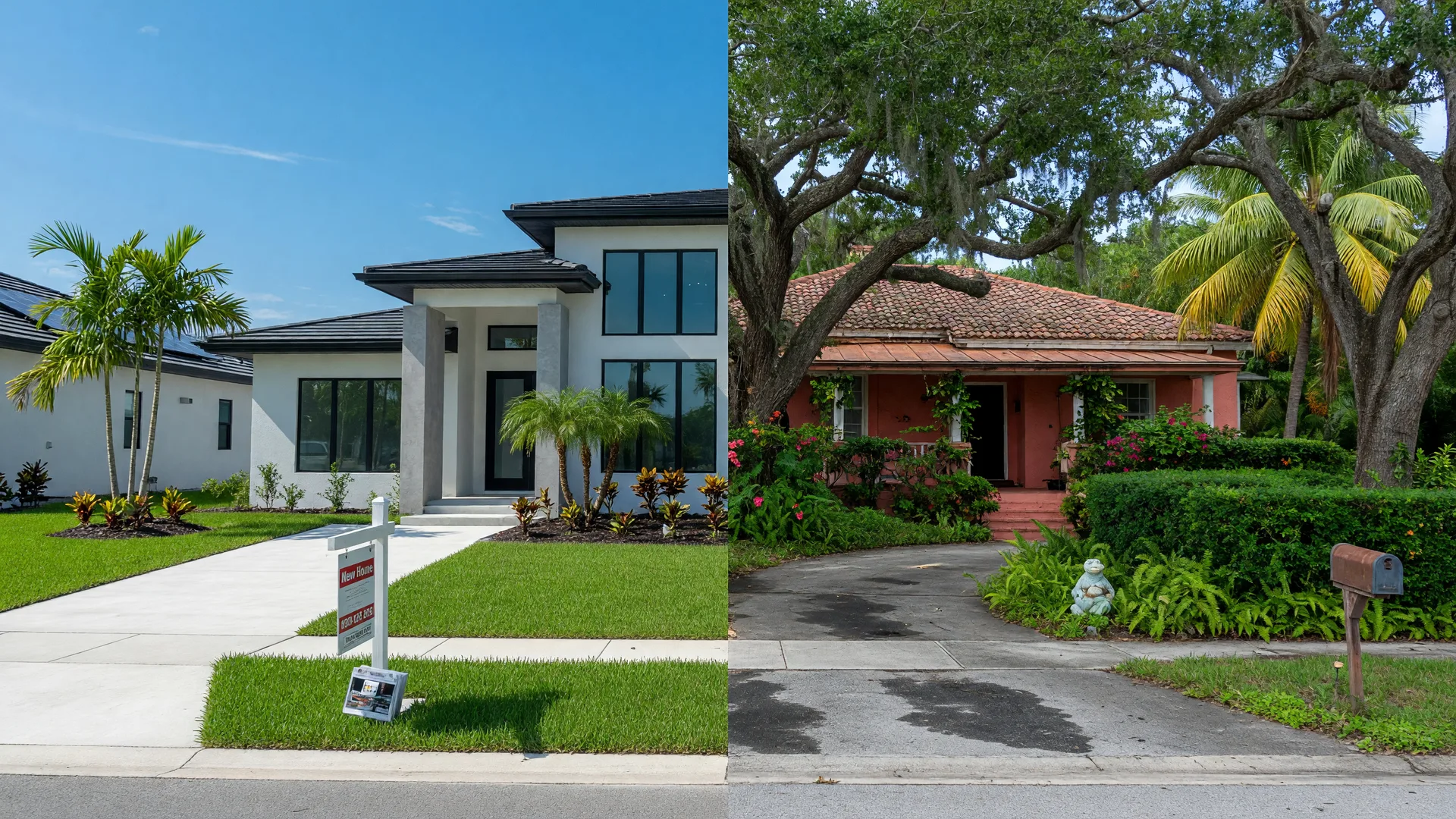
On the resale side, the permit record is part of the home's asset going forward. Whatever you buy today becomes your disclosure tomorrow, so the same questions will be passed to your own buyer. The disciplined buyer places permit checks on the due diligence calendar beside the title review and the inspection, the same sequence I lay out in my buyer's guide. And when you are weighing an older property against a new build, my comparison of new construction versus existing homes explains why the paperwork records differ between the two.
Why Does Unpermitted Work Matter to Sellers?
For sellers, the issue is usually disclosure and timing. The purchase contract commonly used in Florida includes questions about improvements made without required permits, and the seller's answer becomes part of the deal. Even a contract marked "as is" does not change a seller's duty to answer those questions honestly, because the buyer's decision rests on what you show them. The safe approach is to find out what your local record shows before you list, not after an offer arrives.
Many issues can be resolved on the front end: open permits can be closed, unpermitted work that meets code can sometimes be validated where the local office allows it, and a team that proves the home is documented lets you avoid the tense renegotiations that surface late in a transaction. My guide to how homes are priced and the comprehensive selling guide walk through the timing of each stage, including this one, so you know exactly where you stand before you list.
How Can You Check Permit Records on a Home?
Where the home sits determines where the records live. For unincorporated areas, Palm Beach County's permit records are searchable by address through the county's ePZB portal and related public indexes, and they include permit status, fees, and inspection history. For houses inside cities, use that city's building department and its own search. If the property is in a managed community, the association can also point you to records, since many neighborhoods require approval for outside structures.
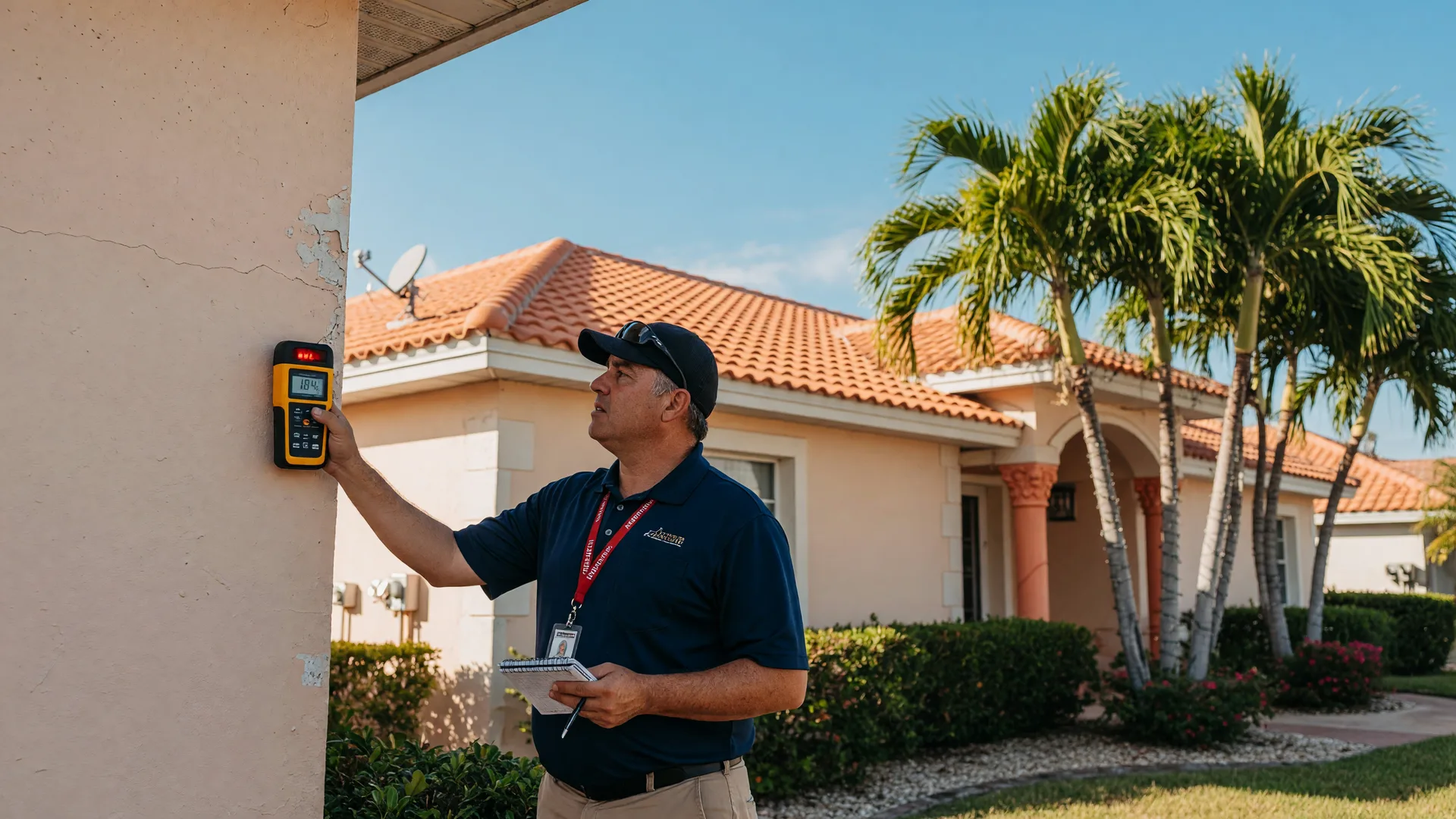
Far and away the best source is the seller's own permit file: original permits, closed inspection cards, plans, and certificates of occupancy. Good owners keep this file, and it answers more than any search. Then pair the records with a good in-person inspection, because a thorough inspector recognizes the added-on room and asks the right follow-up questions. If you are shopping specific markets, my West Palm Beach community guide and the other neighborhood guides describe what life is like in each area, because the same due diligence applies everywhere.
What If You Find Unpermitted Work?
Finding unpermitted work does not have to end the deal. The first step is to establish the facts: what was built, whether the office can verify the work, and what it would take to bring it into compliance. Often the work is actually sound and simply lacks the paper trail, in which case the seller may be able to pull a permit and pass the final inspection. In other cases the work needs to be opened up for review or corrected, and that estimate gives both sides a real number to plan around.
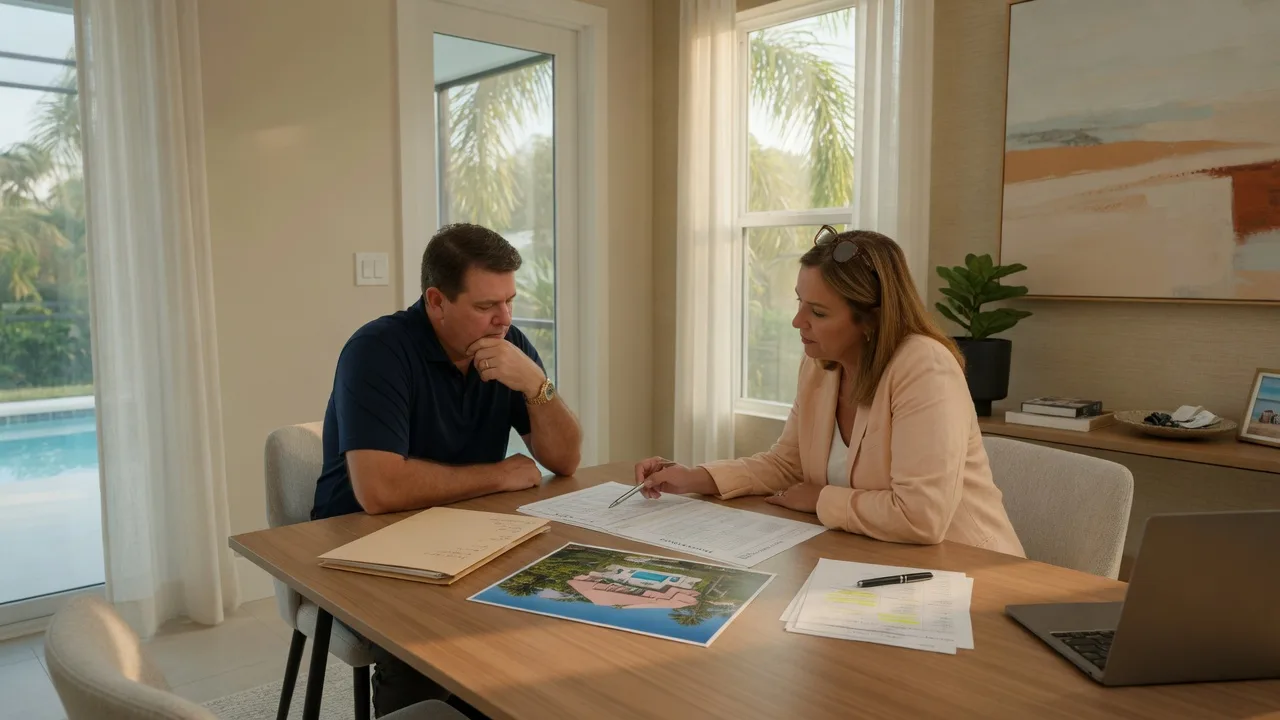
My practical advice for clients in this situation: documentation first, negotiation second. A buyer can be confident about a sale when a cooperative seller, a licensed inspector, and, where useful, the building official confirm the structure is sound and the permit is on track to close. There is no substitute for a qualified inspector, and for anything that feels complicated, a real estate attorney who focuses on Florida transactions can be well worth the call. If you are mid-process and want another set of eyes on what the reports say, contact me: I'm glad to review a property with you, without pressure.
How to Avoid Permit Problems on Your Own Project
The best way to avoid the problem is not to create it. If you are renovating or adding to a Palm Beach County home, start at the building department: find out which permits apply, get them before work begins, and schedule the required inspections as each stage is done. That sequence holds whether your project is a bedroom remodel, a screen enclosure, a roof, a new air conditioning system, or anything near the water, where dock and seawall rules can also apply. If you are still deciding whether to renovate at all, my guide to choosing between renovating and moving walks through the cost, value, and timeline questions to consider before you start any project.
Ask your contractor to pull the permits and keep the inspection cards, then file the closed permits in a home file that stays with the property. Homeowners who keep this collection hand it straight to their next buyer, which is how you remove an entire category of last-minute negotiations. If listing your home is the goal, the staging and repair timing in my home preparation guide will keep you on the best path, and reaching out to me is an easy way to start the conversation.
Whether you are buying, selling, renovating, or juggling all three, unpermitted work does not have to be a deal breaker. Ask the right questions, pull the right records, and walk the transaction forward with confidence. That is the low-pressure style I bring to every transaction, and I would welcome the chance to walk through your situation. Talk to you later.
Ready to Make a Confident Move?
Whether you are buying an existing home or selling one in Palm Beach County, I can help you gather the permit records, inspections, and contract details with a clear plan and no pressure.
Rhonda Townsend, REALTOR® · A.I. Certified Agent™ · 1st Real Estate Solution Inc.
(561) 236-9772 ·
rtownsendrealestate@gmail.com
Frequently Asked Questions
Sources
Sources referenced in this article:
- • Palm Beach County Planning, Zoning and Building — Building Division Permit Center
- • Palm Beach County PZB Building FAQ — Building Department Frequently Asked Questions
- • Florida Realtors and Florida Bar — Contract for Residential Sale and Purchase
Disclaimer: This article is provided for general educational and real estate information only. It is not legal, tax, financial, insurance, environmental, engineering, or property-inspection advice. Real estate requirements, costs, risks, policies, and market conditions vary by property and may change. Consult qualified professionals regarding your individual circumstances.