Key Takeaways
- Intracoastal waterfront homes in Palm Beach County sit on the Atlantic Intracoastal Waterway, giving boaters protected inland access without crossing the open ocean. Verify the waterway facts for the specific home before you fall in love with the view.
- Fixed bridges over the Intracoastal clear around 65 feet above mean high water, but movable bridges sit much lower when closed, so measure your boat's air draft and check every bridge between your dock and the ocean.
- Drawbridges in Palm Beach County open on schedules, and the West Palm Beach bridges now skip weekday rush-hour openings, so confirm the timing works for how you plan to use the boat.
- Seawalls, docks, and boat lifts are regulated and need permits for replacement or major repair. Ask for the recorded permits and consider a marine or seawall inspection before you make an offer.
- Flood zones, base flood elevation, and flood and wind insurance costs vary by property, so check the FEMA flood map by address and get insurance quotes before you commit.
Intracoastal waterfront homes in Palm Beach County sit along the Atlantic Intracoastal Waterway, the protected inland route that runs behind the county's barrier islands. Before you make an offer, verify the bridge clearance for your boat, the local drawbridge schedule, the condition and permits on the seawall and dock, the flood zone, and what flood and wind insurance will cost.
I'm Rhonda Townsend, a REALTOR® with United Realty Group serving Wellington, West Palm Beach, Lake Clarke Shores, and communities across Palm Beach County. Waterfront homes are one of my specialties, and after more than 12 years helping buyers and sellers, I have seen which questions matter most on an Intracoastal property. This guide walks through those questions in plain language so you can shop with confidence.
What Makes a Home an Intracoastal Waterfront Home?
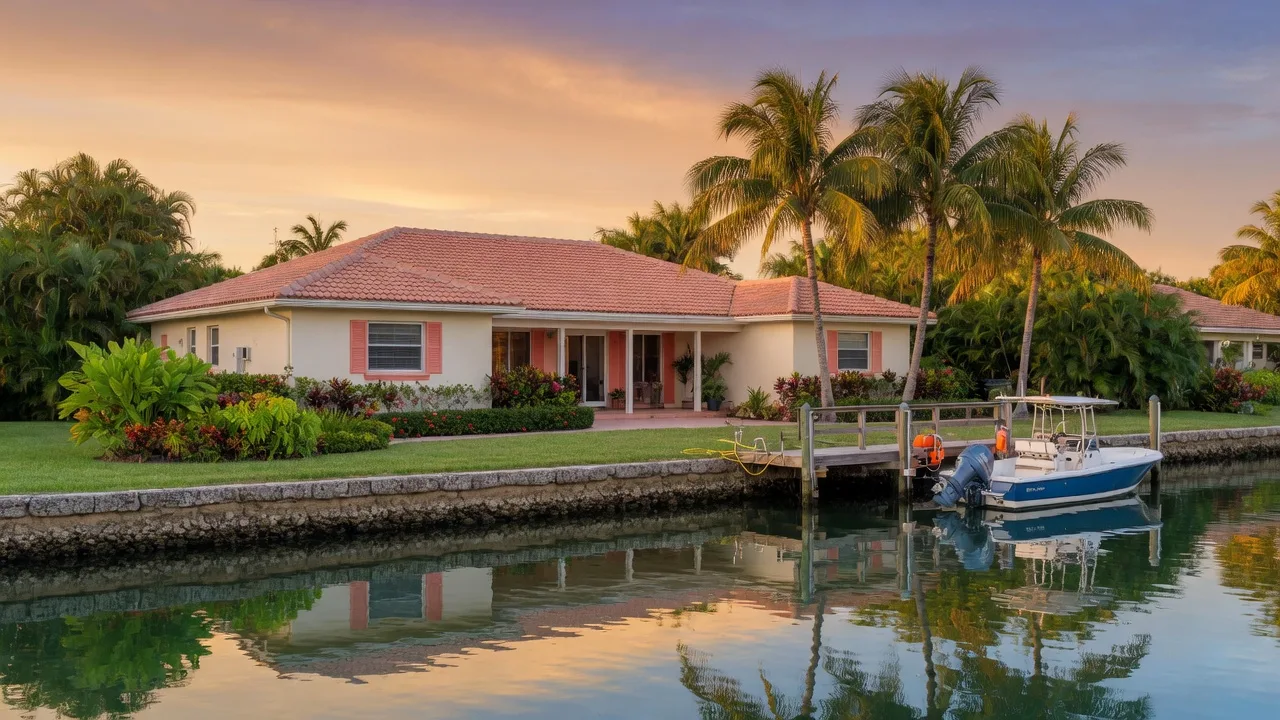
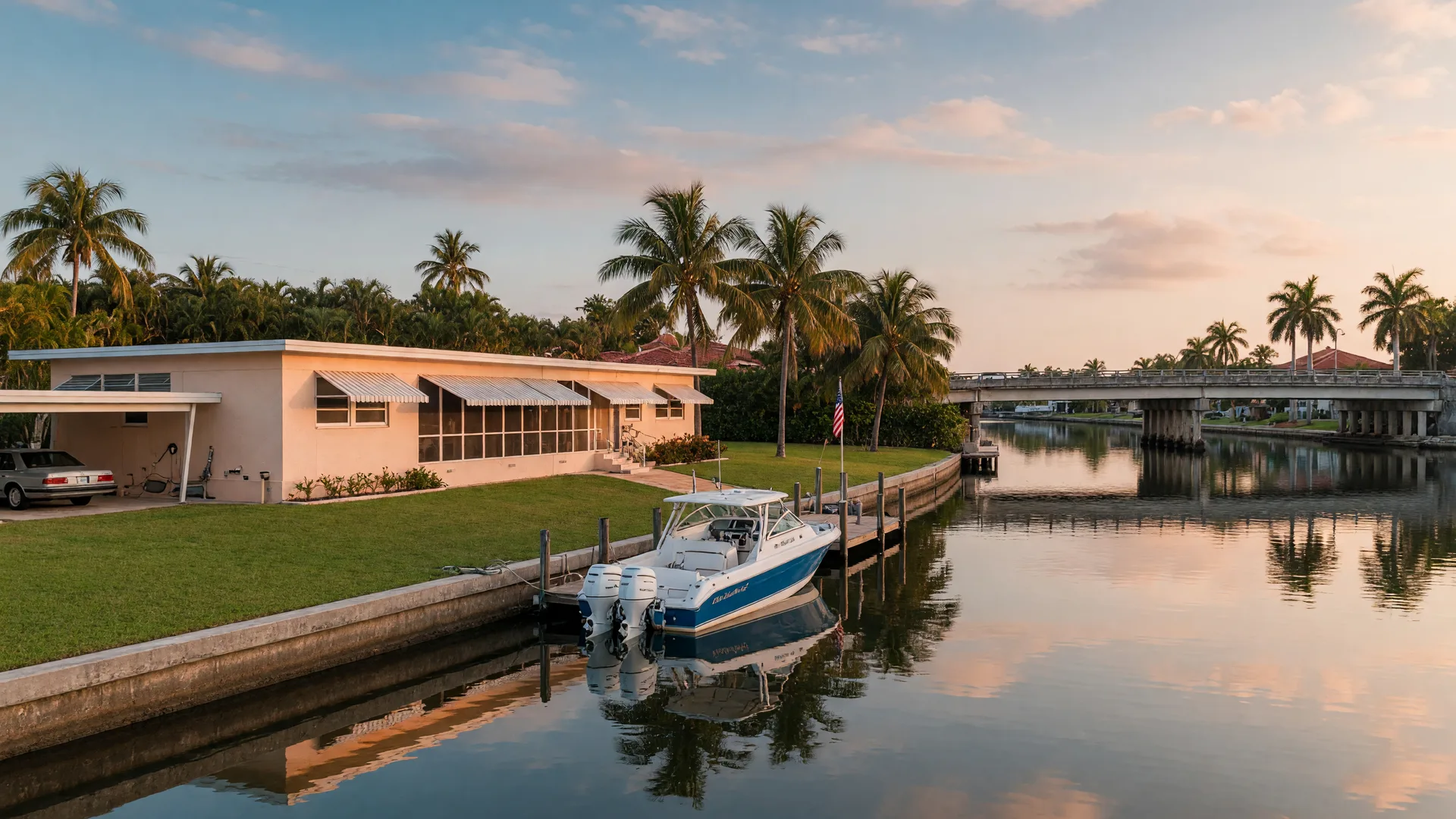
The Atlantic Intracoastal Waterway is the protected coastal channel that runs north and south behind the barrier islands, from Jupiter in the north through West Palm Beach, Lake Worth, Lantana, and Boynton Beach. A home described as Intracoastal sits on this waterway, which means the dock is on saltwater with tidal flow and direct boating access to the broader waterway system.
That placement is different from oceanfront, where you face the open Atlantic, and different from a freshwater lake or a dead-end canal. Each offers a distinct experience and a distinct set of maintenance questions. If you are still deciding which type fits you, I compare canal front, lakefront, and Intracoastal homes in detail in my article on choosing your Palm Beach County waterfront home.
How Much Bridge Clearance Do You Need?
For boaters, the single most important number on an Intracoastal property is clearance. Fixed bridges over the waterway in Florida generally clear around 65 feet above mean high water, which accommodates most cruising boats. The practical limits come from the movable bridges, which sit much lower when closed, for example the Flagler Memorial bridge near downtown West Palm Beach at about 24 feet and the Royal Park bridge at about 21 feet above mean high water.
Clearance changes with the tide, so the number printed on a chart is not the number you have at every hour of the day. The correct approach is to measure your boat's air draft, the height from the waterline to its highest point such as a tower, mast, or antenna, then verify the clearance of every bridge between your dock and open water at the tides you actually travel. Nautical charts and the official bridge information are the reliable sources for these figures. For a complete walkthrough of air draft, fixed and movable bridge clearances, tides, and how to verify it all before you make an offer, read my guide to fixed bridges and boat clearance in Palm Beach County.
Boats with tall towers or masts change the math completely. A center console with a T-top clears most bridges without thinking, while a boat with a hardtop tower, an antenna, or a flybridge may not clear a closed bascule bridge, which means planning every trip around scheduled openings. If the boat is part of your lifestyle now, and you expect it to be part of your life in the new home, bring its specifications to every tour so you are comparing homes against the vessel you actually own.
How Do Drawbridge Schedules Shape Your Boating Day?
Drawbridges across the waterway in Palm Beach County open on published schedules rather than whenever a boat arrives. Most open on the hour and half hour, and some open on demand, but the exact timing varies by bridge. In 2024 the Coast Guard updated the rule for the three bridges in the West Palm Beach area, Flagler Memorial, Royal Park, and Southern Boulevard, so they open on the hour and half hour except during weekday rush hours in the morning and late afternoon, with occasional suspensions for security zones.
When you tour an Intracoastal home, look at the route you would actually travel. If your typical trip crosses two or three scheduled bridges, the openings need to line up with your schedule, especially for a workday outing or an early morning fishing run. The Palm Beach County Engineering and Public Works bridge section publishes the current schedule, and the drawbridge regulation for the West Palm Beach waterway is the official rule behind those hours.
What Should You Check on the Seawall and Dock?
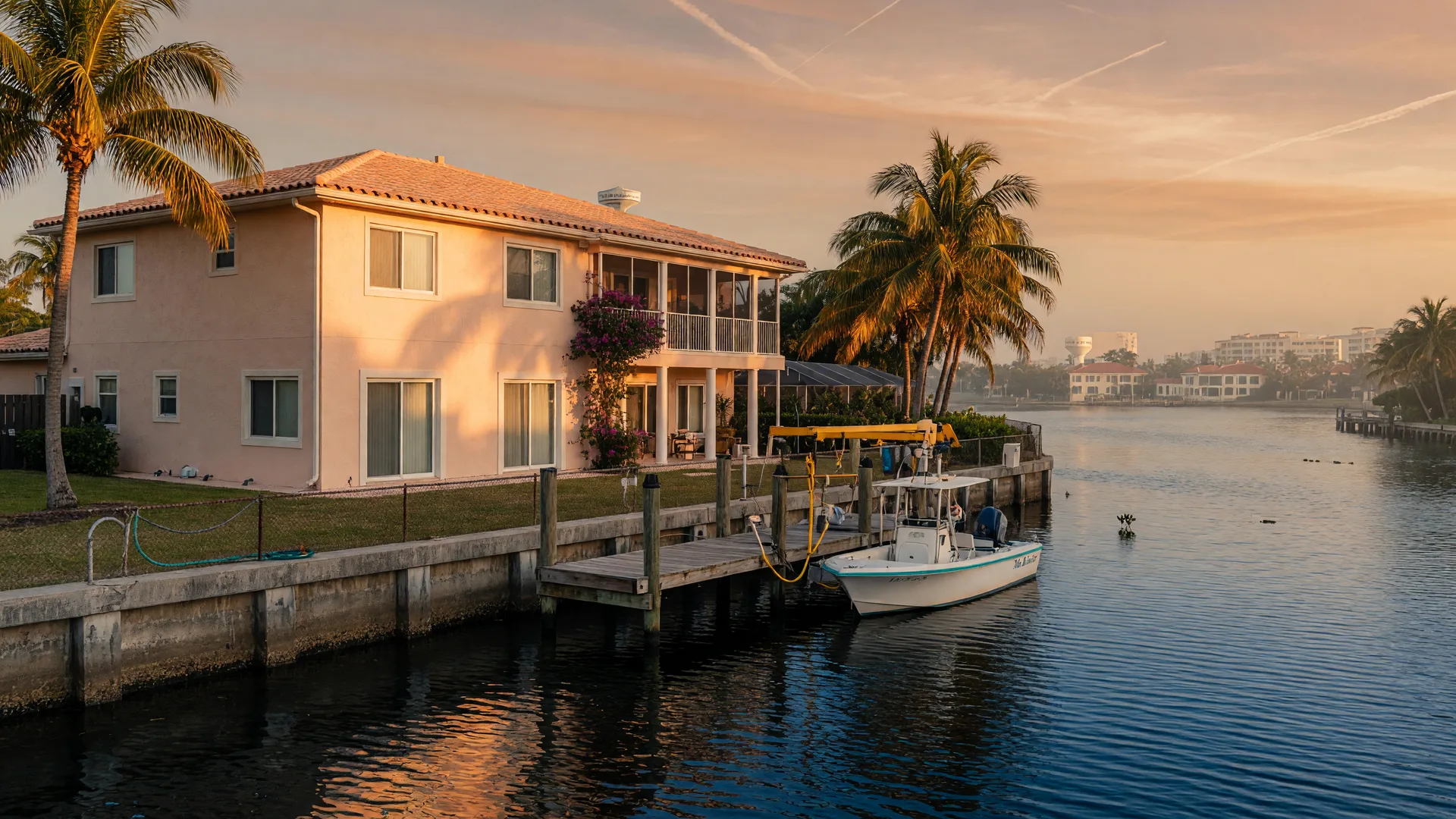
The seawall is what keeps the lot from eroding into the waterway, and it is one of the most expensive systems on a waterfront property. On a tour, look at the age and condition of the wall, the cap, and the tie-backs that anchor it into the soil. A failing seawall is a major repair, so it is worth having a qualified marine professional inspect it before you commit.
Docks, finger piers, boat lifts, and covered structures are regulated too. Replacing a seawall or building or expanding a dock generally requires permits from the county, and in-water work can also involve state and federal agencies. In unincorporated Palm Beach County, marine structures go through the county's Type 8 marine structure application process. Before making an offer, ask for the recorded permits on the property so you know the dock and seawall are documented. My article on waterfront seawalls, docks, and water access goes deeper into these systems and the inspections that protect you.
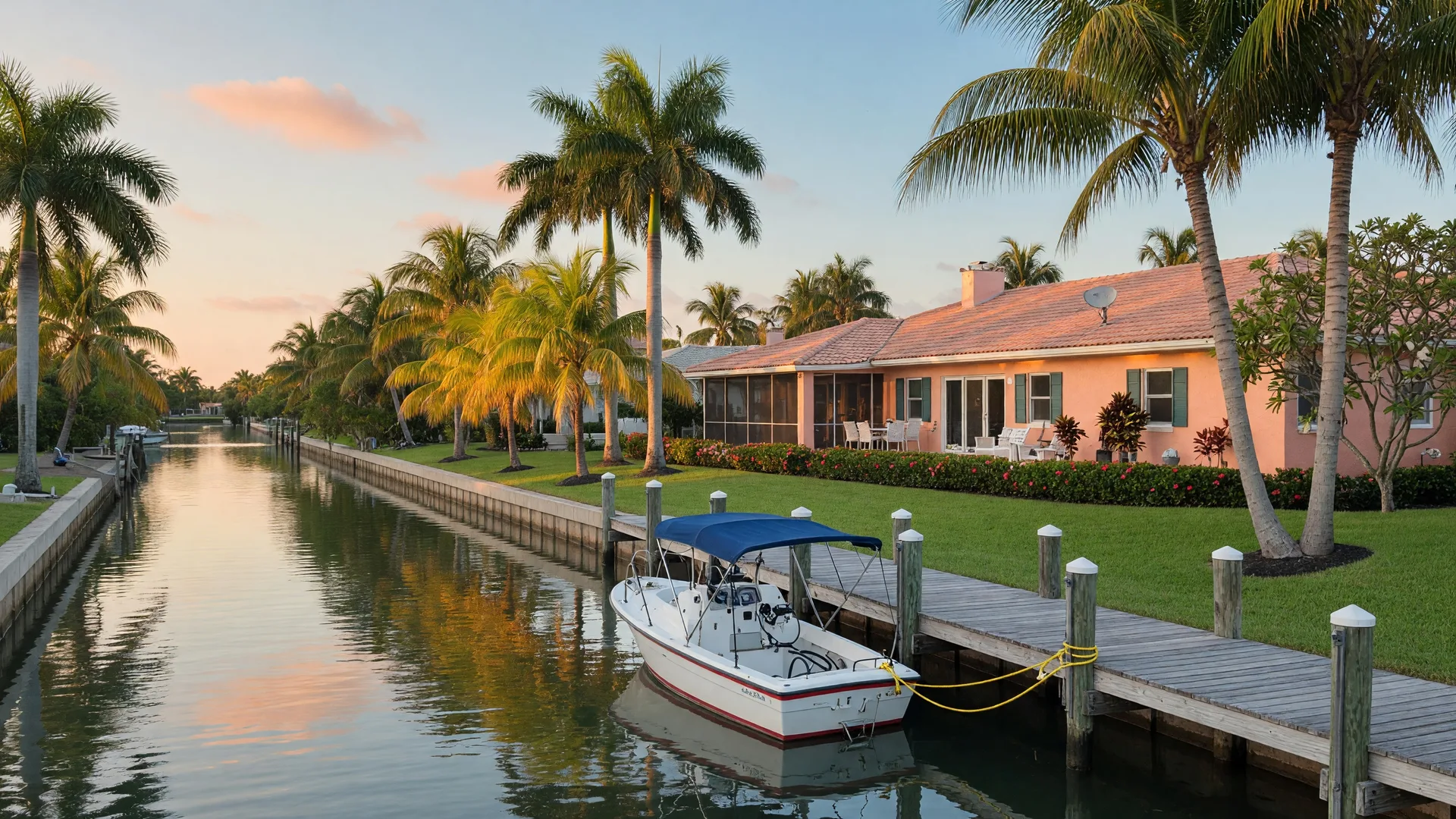
It is also worth asking whether the dock is usable at all tides. Depths change noticeably between high and low water on the Intracoastal, and a dock that looks great in the afternoon can sit in a foot of water at low tide. Ask for the depth at the dock at low tide, and if the property has a boat lift, ask about its age, capacity, and condition. Lifts are expensive to replace, and a lift rated for a smaller boat than yours is a future line item to budget for.
How Do Flood Zones and Insurance Apply?
Intracoastal homes are frequently in a flood zone, and the exact zone depends on the address and the elevation of the home. If a property sits in a Special Flood Hazard Area, your lender will generally require flood insurance, and many owners carry it even when it is not required. Wind insurance is a separate policy, and together the two can add meaningfully to your monthly cost of ownership.
The reliable way to check is to look up the address on the FEMA Flood Map Service Center, which shows the flood zone and base flood elevation for a property, then confirm the practical cost with an insurance professional. Get those numbers before you make an offer, not after, so the true cost of the home is on the table from the start. My waterfront homes guide covers flood zones, insurance, and the boating lifestyle in more detail.
What Should You Verify Before Making an Offer?
Here is the checklist I would run on any Intracoastal waterfront home before writing an offer. No single item should stop you by itself, but together they tell you whether the property really fits how you want to live on the water.
Your Intracoastal Waterfront Checklist
- Bridge clearance: Confirm every bridge between the dock and open water clears your boat at the tides you travel.
- Drawbridge schedule: Verify openings align with your typical boating hours, including weekday rush-hour limits.
- Water depth: Check the depth at the dock at low tide, not high tide, and whether it suits your draft.
- Seawall and dock condition: Review age, condition, tie-backs, lifts, and pilings, and consider a marine inspection.
- Permits: Ask for recorded permits on the seawall, dock, and any in-water work.
- Flood zone and elevation: Look up the property on the FEMA flood map and get insurance quotes.
- HOA or marina rules: If the property has an association or shared dock, review the governing documents.
Waterfront buyers often compare communities across the county before settling on a location. Lake Clarke Shores is a great example of a community built around Intracoastal-adjacent canal and lake living, and the same verification steps apply there. If you are weighing a waterfront purchase anywhere in Palm Beach County, I would be glad to help you sort through the details and connect you with the right professionals. Reach out any time.
Every waterfront transaction works better with a team behind it: a marine surveyor or seawall inspector, an insurance agent who writes flood and wind policies, and sometimes a permitting consultant. The marine survey is the piece that checks your docks and seawall in detail, a step I recommend on every canal and Intracoastal purchase. I work with these professionals regularly and can introduce you at the right point in the process. You do not have to sort out bridges, tides, and bulkheads on your own, and the questions in this guide give you a strong running start.
Planning a Waterfront Move?
Intracoastal homes are wonderful, and every one is different when it comes to bridges, tides, seawalls, and insurance. I would be glad to talk through the questions in this guide and connect you with the right marine, insurance, and permitting professionals. Reach me at (561) 236-9772 or through the contact page.
Rhonda Townsend, REALTOR® · A.I. Certified Agent™ · United Realty Group
(561) 236-9772 ·
rtownsendrealestate@gmail.com
Frequently Asked Questions
Sources
Sources referenced in this article:
- • Palm Beach County Engineering and Public Works — Drawbridge schedules and bridge information for Palm Beach County
- • Federal Register — Drawbridge operation regulation for the Atlantic Intracoastal Waterway, West Palm Beach
- • FEMA Flood Map Service Center — Official flood maps and flood zone lookup by address
Disclaimer: This article is provided for general educational and real estate information only. Water access, depth, bridge clearance, dockage, flood information, insurance requirements, and boating suitability vary by property and should be independently verified. Consult qualified professionals regarding your individual circumstances.