
Key Takeaways
- The lender orders a home appraisal, but the buyer pays for it, typically a few hundred dollars that shows up in your closing costs.
- An appraiser forms an opinion of value by comparing the home to recent sales of similar nearby properties, not by matching the offer price.
- If the appraisal comes in below your offer, you can cover the gap, negotiate with the seller, request a reconsideration of value, or walk away with an appraisal contingency.
- A market appraisal is separate from the tax assessment issued by the Palm Beach County Property Appraiser, and the two can differ.
A home appraisal in Palm Beach County is an independent estimate of a property's market value that your mortgage lender requires before it funds your loan. Your lender orders it, you pay for it, and it protects the lender by confirming the home is worth what you agreed to pay.
I'm Rhonda Townsend with 1st Real Estate Solution Inc., and I help buyers throughout Palm Beach County understand every step between an accepted offer and the closing table. The appraisal is the step that surprises buyers the most, because it sits outside the negotiated price and can change the math of your purchase. This guide explains how the process works, who pays for it, and what to do when the appraised value does not match the offer.
Whether you are looking at a home in Wellington, a West Palm Beach neighborhood, or a waterfront property, the appraisal follows the same basic structure. Knowing what to expect helps you negotiate with confidence instead of reacting in a panic.
What Is a Home Appraisal and Why Does It Matter?
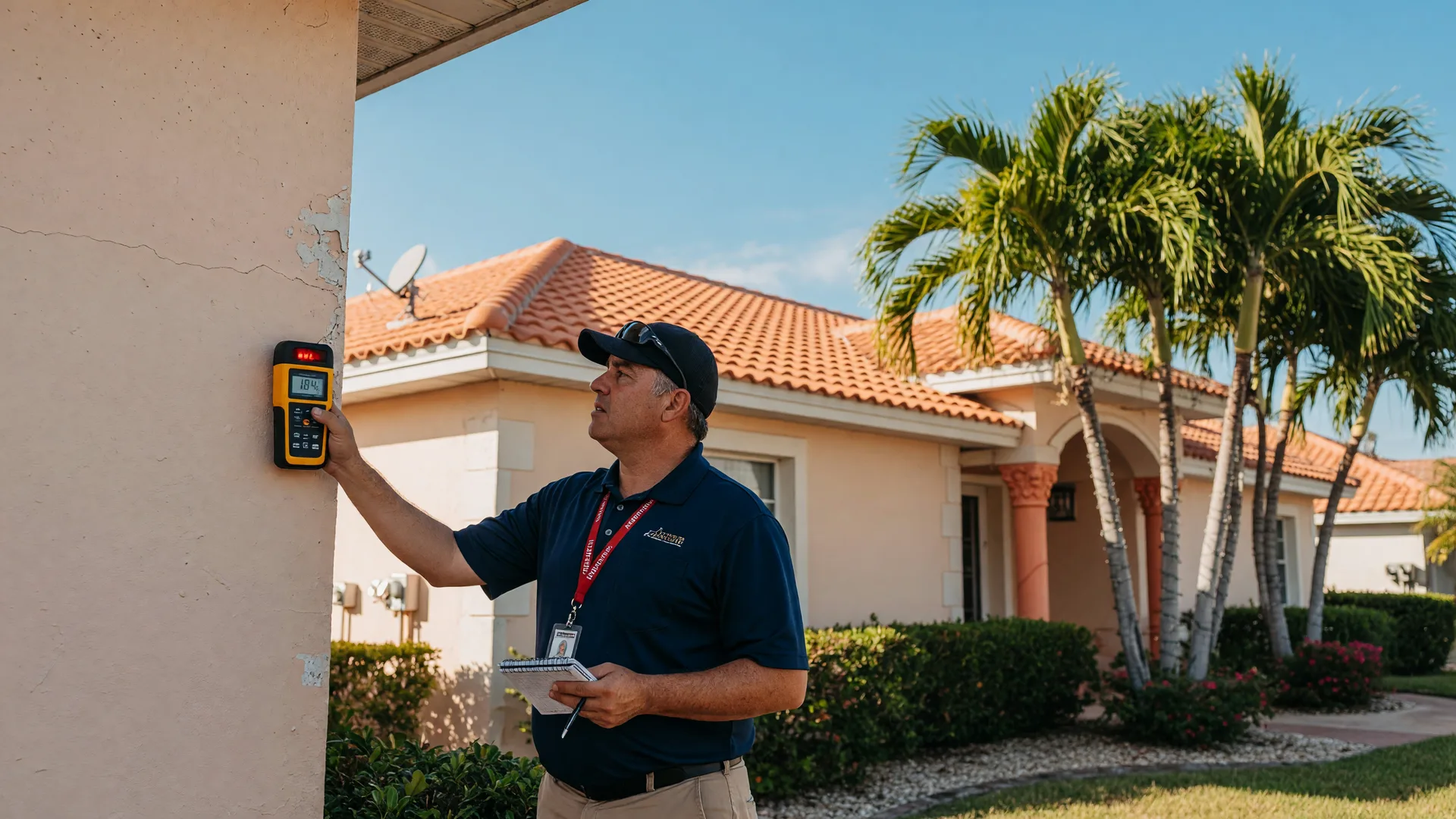
An appraisal is a written opinion of value prepared by a licensed, certified appraiser. The appraiser walks the inside and outside of the home, measures it, notes its condition and upgrades, and compares it to recent sales of similar nearby homes, usually called "comps." The result is a report that states what the property is likely worth.
The point is not to set the sale price. The point is to verify that the property supports the mortgage amount. Lenders will not finance a transaction where the loan exceeds the value of the home, because they could lose money if the borrower defaults. The appraisal is a safeguard for the lender and, indirectly, for you as the buyer.
For buyers, the appraisal also tells you whether the deal you negotiated is supported by an independent, local market comparison. That is why it pairs so closely with the rest of the home buying process in Palm Beach County.
Who Orders the Appraisal and Who Pays for It?
The lender orders the appraisal, not the buyer or the seller. In most conventional loans the lender selects an appraiser from an approved panel so the appraiser remains independent from the people negotiating the deal. You never pick your own appraiser, and the appraiser does not report to the agent or the seller.
Even though the lender orders the report, the buyer pays for it, usually a few hundred dollars. Larger, older, or waterfront properties can cost more because the inspection and the comparable research take longer. The fee shows up in your loan estimate and is one of the closing costs we plan for.
How Does the Appraisal Process Work in Palm Beach County?
After you and the seller sign a purchase agreement, the process begins. Here is the sequence you can expect:
- Order the appraisal. Your lender places the order within a few days of the signed contract.
- Schedule the inspection. The appraiser contacts the listing agent for an appointment, usually within a week or two.
- Inspect the home. The appraiser photographs and measures every room, documents condition and upgrades, and verifies all the lot and structural features you can see.
- Study the comparables. The appraiser pulls recent closed sales of comparable nearby homes and adjusts for size, condition, upgrades, and location.
- Deliver the report. The completed report and final appraised value go to the lender, usually within one to two weeks of the inspection.
Around Palm Beach County, the details that matter vary by community. Along the lakes and waterways of Lake Clarke Shores, appraisers weigh water access, seawall condition, dockage, and flood zone carefully. Those features can shift the value in either direction, and you want an experienced agent who has seen how appraisers treat them. My waterfront buyers' guide covers what matters most.
What Happens if the Appraisal Comes in Below Your Offer?
This is the scenario buyers worry about most, and it happens more often than you might think, especially when competition pushes prices ahead of recent sales. When the appraisal comes in low, the lender will only lend against the lower of the contract price or the appraised value. The shortfall is called an appraisal gap.
Your options as a buyer:
- Pay the difference. If you agreed to pay the gap in your offer, you bring the additional cash to closing, and the loan stays based on the appraised value.
- Negotiate the price down. Ask the seller to reduce the price to the appraised value or to meet you partway. Sellers often prefer to keep the deal together rather than start over.
- Split the difference. The two sides can agree to divide the gap between the offer price and the appraised value.
- Request a reconsideration of value. If the appraiser missed a strong comparable sale or a major upgrade, your agent can submit evidence and ask the appraiser to review the conclusion. This works when there is actual, verifiable new information.
- Walk away. If you included an appraisal contingency, you can end the contract and receive your earnest money back when the home does not appraise at the contract price.
In a competitive market, some buyers add an "appraisal gap coverage" provision to their offer, agreeing to cover a specific shortfall up to a set amount. It is a legitimate way to make an offer stand out in the seller's market. Just make sure you understand how your lender views it before you commit.
What If the Appraisal Comes in Above Your Offer?
When the appraisal comes in above your accepted price, the lender does not raise your loan amount to match it, and the seller does not get a higher price. The contract price stands, and you start with built-in equity on closing day. It is a nice outcome, and it can happen when you negotiate well on a home that needs light cosmetic work.
Should You Include an Appraisal Contingency?
An appraisal contingency says the purchase depends on the home appraising for at least the contract price. If the appraisal comes up short, the contingency allows you to renegotiate, ask the seller to lower the price, or cancel the contract and recover your deposit.
In a competitive market, some buyers waive this contingency to make their offer stand out. That is a serious tradeoff. Without it, a low appraisal still leaves room for negotiation, but you can no longer terminate the contract over it. Whether to waive it depends on your cash position, the strength of the seller's market, and the specifics of the home. I will help you weigh the risk honestly, the same way we talk through cash offers versus financed offers.
Practical Tips for a Smooth Appraisal
- Study the comparables before you make an offer. Look at what similar sold homes are worth in the same community so you start from a defensible value range.
- Schedule the appraisal early. A lagging appraisal can delay closing, so get the appointment on the calendar as soon as the contract is signed.
- Give the appraiser a property fact sheet. A list of upgrades, dates, and receipts for the roof, HVAC, impact windows, or kitchen renovations helps the appraiser to notice them, because these additions rarely show up on a drive-by comparison.
- Build a buffer into your moving plan. The appraisal is a known scheduling step between contract and closing. Keep your move dates flexible and leave breathing room before the closing.
How Is a Market Appraisal Different from a Tax Assessment?
The value on your annual property tax bill comes from the Palm Beach County Property Appraiser, which uses a statutory assessment for tax purposes. That value can move slower than the market and is not the same as a lender's market appraisal of a specific transaction. You cannot substitute the county assessment for the lender's appraisal, and it is normal for the two numbers to differ.
If you have questions about an appraisal, your offer, or anything between the contract and closing, reach out any time at (561) 236-9772 or rtownsendrealestate@gmail.com. I'm Rhonda Townsend with 1st Real Estate Solution Inc., and I am glad to help you plan a confident, low-stress move in Palm Beach County.
If you are the seller on the other side of the table, the same process looks different: my guide to preparing for a home appraisal as a seller covers what appraisers evaluate, the week-of checklist, and what to do when the value comes in low.
Have Questions About Your Next Home Purchase?
An appraisal is one step in a larger process, and I can help you understand how it fits your timeline and budget. Tell me what you are considering, and we can talk through your goals with no pressure.
Rhonda Townsend, REALTOR® · A.I. Certified Agent™ · 1st Real Estate Solution Inc.
(561) 236-9772 ·
rtownsendrealestate@gmail.com
Frequently Asked Questions
Sources
Sources referenced in this article:
- • Consumer Financial Protection Bureau — Owning a Home: Mortgage Resources
- • The Appraisal Foundation — Standards for Real Estate Appraisal
- • Palm Beach County Property Appraiser — Official County Property Appraiser
Disclaimer: This article is provided for general educational and real estate information only. It is not legal, tax, financial, insurance, environmental, engineering, or property-inspection advice. Real estate requirements, costs, risks, policies, and market conditions vary by property and may change. Consult qualified professionals regarding your individual circumstances.