Key Takeaways
- Palm Beach County offers both long-term and short-term rental opportunities, and the two follow different rules, costs, and cash-flow profiles.
- Short-term rentals require a Florida DBPR license, a local business tax receipt, and a Tourist Development Tax account, plus the municipality or county rules where the property sits.
- A strong rental purchase starts with the same fundamentals as any home: location, condition, and insurance, then adds a realistic vacancy and expense number.
- Local knowledge matters for zoning, flood insurance, and seasonal demand, which vary a lot by community.
A rental property in Palm Beach County can be a single-family home rented to a long-term family, a duplex you live in one side of, or a short-term vacation rental near the Intracoastal, and each one follows different rules, costs, and cash-flow patterns. The fundamentals you already know from any home purchase still apply, and the rental specifics, taxes, insurance, seasonality, and local regulations, are where the real decisions happen.
I'm Rhonda Townsend with 1st Real Estate Solution Inc., and I help buyers evaluate and purchase property throughout Palm Beach County, including rentals and investment homes in the service areas I know well. This guide walks through the decision in practical terms, and it is meant as education, not as tax, legal, or lending advice. Always confirm current numbers with a qualified professional before you act.
What Kinds of Rental Properties Are There in Palm Beach County?
Rental real estate in this area falls into a few broad buckets. Long-term single-family homes and condominiums serve people who work and live in the county year round. Multi-unit buildings and duplexes bring multiple income streams from one property. And short-term or vacation rentals serve the large seasonal and tourism market, especially near the coast and the equestrian and golf communities.
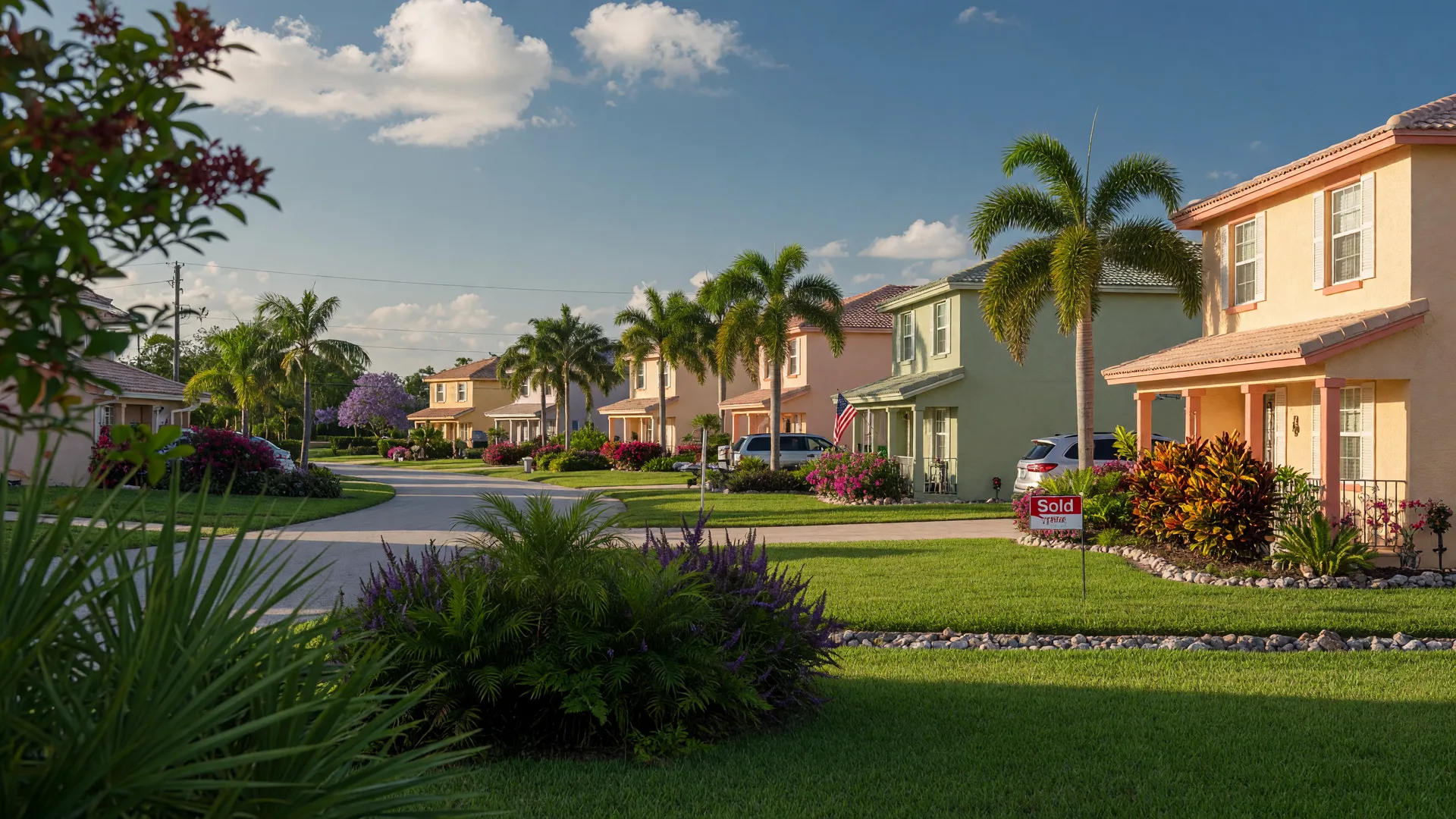
- Long-term single-family rentals: Steady cash flow, easier tenant management, and strong demand in communities like Wellington, Royal Palm Beach, and West Palm Beach.
- Condos and townhomes: Lower entry cost and lighter maintenance, balanced against HOA fees and any rental restrictions your association sets.
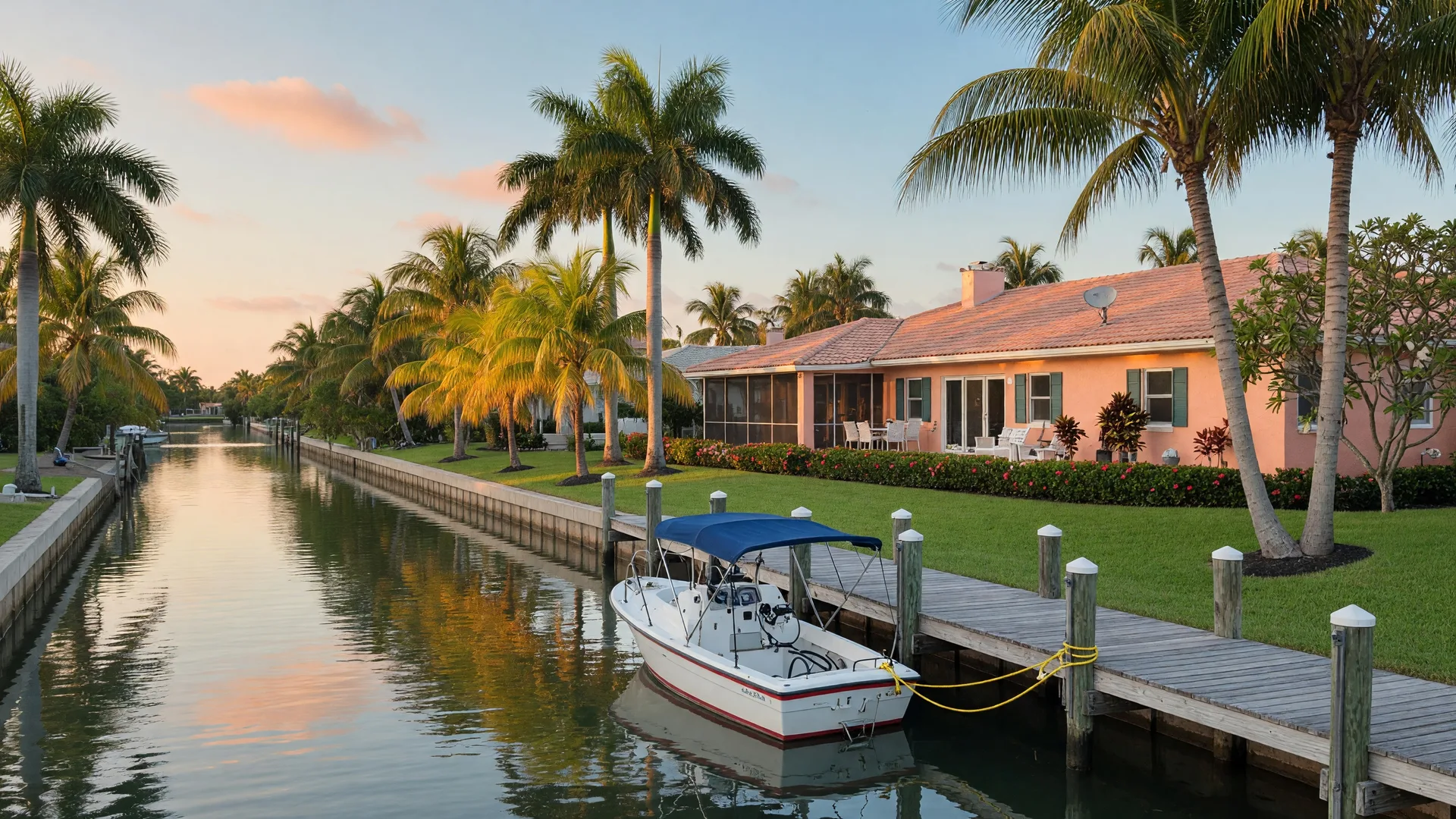
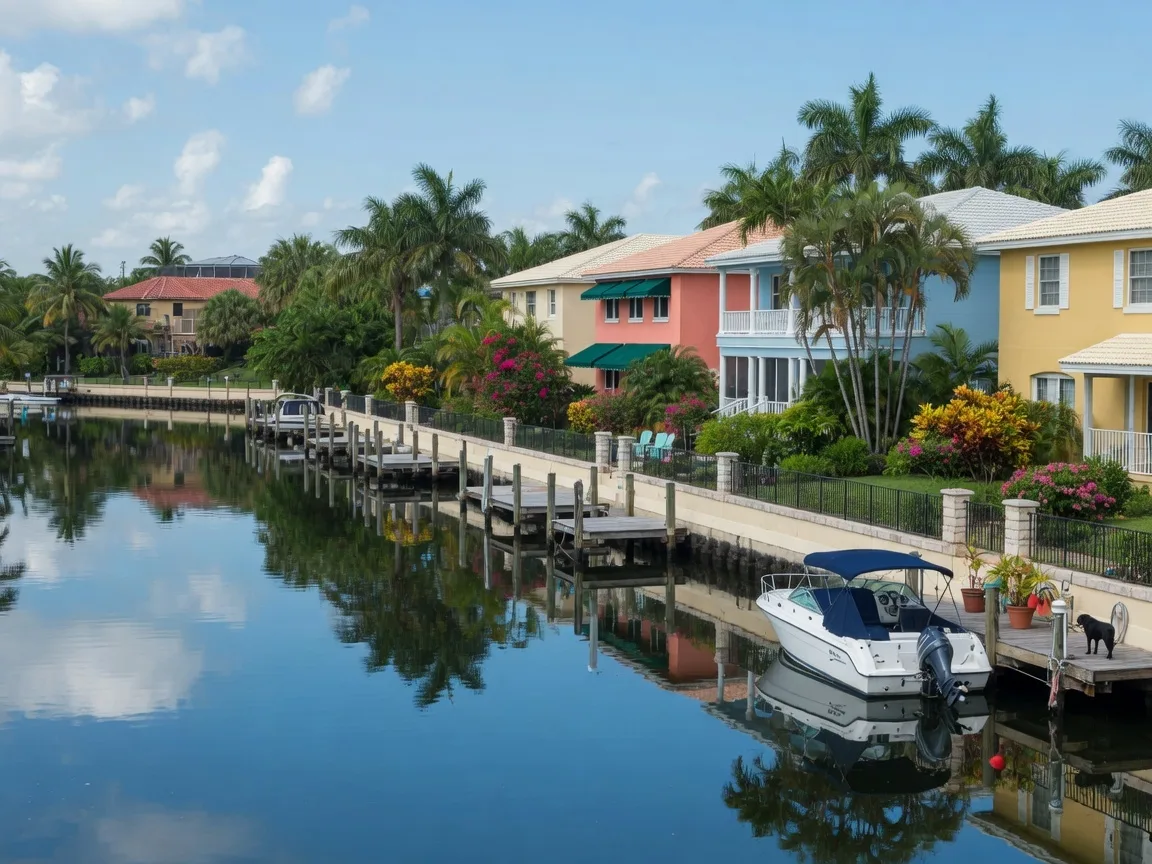
- Waterfront properties: Premium value and rental rate, but also higher insurance, flood considerations, and maintenance on seawalls or docks. My waterfront buyer's guide explains what to verify.
- Short-term rentals: Potential for high seasonal income in tourist markets, paired with active management and strict licensing.
Long-Term Rentals vs. Short-Term Rentals
The single most important fork is whether you run a long-term or short-term rental, because everything downstream differs.
- Long-term: Predictable monthly income, lower turnover, and simpler rules. The trade-off is a lower per-day rate and a longer timeline to adjust rents.
- Short-term: Higher rates per night and strong seasonal demand near beaches and tourist areas, but with more vacancy risk, more cleaning and turnover, and a heavier load of licenses and taxes.
Many investors run the numbers on both and choose what fits their time, capital, and tolerance for active property management. A good starting point is to look at how the investment property landscape breaks down in Palm Beach County.
What Kind of Financing Can You Use for a Rental?
Financing an investment property is typically different from financing a primary home. Lenders often require a larger down payment for investment loans, frequently 15% to 25%, and interest rates can run higher because the risk is higher for an income property. An FHA loan can work for an owner-occupied duplex where you live in one unit, and a VA loan can help a veteran buy a qualifying home they occupy. The specific terms depend on your credit, income, and how the property will be used, so talk to a lender who clearly lays out investment-product options.
What Do Taxes, Insurance, and Repairs Cost?
The numbers you hear quoted for primary homes often come in low for rentals. Budget three big items:
- Property taxes: Palm Beach County sets assessed value through the Property Appraiser, and your bill depends on that value and any exemptions you qualify for. An investment property generally does not take the homestead exemption, so factor in the full rate.
- Insurance: Rental coverage differs from an owner-occupied policy and costs more in many cases. Near the coast or in a flood zone, wind and flood coverage add meaningful cost. Our homeowners insurance guide for buyers gives a frame.
- Maintenance and turnover: Between tenants you face cleaning, repairs, and vacancy. A common rule of thumb is to reserve a share of gross rent each year, but the real number depends on the property's age and condition.
What Are the Rules for Short-Term Rentals?
If you go the short-term route, the licensing is non-negotiable and location-specific. In unincorporated Palm Beach County, a short-term rental generally requires a Tourist Development Tax account and a short-term rental business tax receipt, and you must collect and remit the county's 6% Tourist Development Tax on top of Florida sales tax. You also need the Florida DBPR vacation rental license and registration in the state short-term rental registry.
Here is the catch most buyers miss: each city and town sets its own rules. The Town of Palm Beach restricts short-term rentals heavily, while other cities allow them with conditions like minimum stays or local business tax receipts. You must confirm the rules for the exact property address, not just the county, because a rental that is fine in one municipality can be out of bounds a few streets away.
How Do You Analyze a Rental Purchase
Once you pick a property type and a location, run a realistic numbers check rather than trusting a single listing's "potential." Walk through:
- Gross income: Realistic rent by season and by tenant type.
- Expenses: Taxes, insurance, HOA, management, maintenance, utilities you cover, and vacancy.
- Debt service: Your mortgage payment and any HOA assessments.
- Net cash flow: Income minus all expenses and debt each month.
- Long-term picture: Appreciation, deductible costs, and the exit plan.
The neighborhoods where the numbers work depend heavily on the rental model. Royal Palm Beach, Wellington, and other inland communities support steady long-term family rentals, while coastal towns lean on the vacation market. I can help you match a neighborhood to the model you want.
Questions to Ask Before You Buy a Rental
- Will I self-manage or hire a property manager, and at what cost?
- Does the HOA or city place any rental restrictions on this property type?
- What is the flood zone, and what does flood and wind insurance actually cost here?
- What has the rental income been in this exact building or block, and is that realistic?
- What are the current taxes, and how will they change without a homestead exemption?
- Do I have enough buffer for a vacancy between tenants or a quiet season?
If you already own a rental property and are thinking about selling it, the lease, the tenant, and the deposit all travel with the sale. My guide to selling a home that has a tenant or rental unit in Florida walks through how the lease transfers, the notice rules, and how showings and deposits are handled at closing.
Buying a rental is a long-term decision, and it deserves the same care as buying any home, plus a closer look at insurance, turnover, and local rules. If you're ready to look at investment properties seriously, I can help you compare showings and neighborhoods across Palm Beach County. Reach me at (561) 236-9772 or rtownsendrealestate@gmail.com, and we will start with your goals before we look at a single listing.
Ready to Explore Investment Property?
I work with buyers looking for rentals, from a first single-family home to waterfront and multi-unit properties. Tell me your goals and budget, and we can look at what makes sense across Palm Beach County.
Rhonda Townsend, REALTOR® · A.I. Certified Agent™ · 1st Real Estate Solution Inc.
(561) 236-9772 ·
rtownsendrealestate@gmail.com
Frequently Asked Questions
Sources
Sources referenced in this article:
- • Palm Beach County Tax Collector — Tourist Development Tax and Short-Term Rental
- • Florida DBPR — Florida Vacation Rental Licensing
- • Discover The Palm Beaches — Official County Tourism
Disclaimer: This article is provided for general educational and real estate information only. It is not legal, tax, financial, insurance, environmental, engineering, or property-inspection advice. Real estate requirements, costs, risks, policies, and market conditions vary by property and may change. Consult qualified professionals regarding your individual circumstances.