Key Takeaways
- Florida now requires sellers to provide a written flood disclosure at or before contract execution, covering flood zone status, past flood damage, insurance claims, and federal flood assistance. It took effect October 1, 2024, and expanded in October 2025.
- Florida has no statewide mandatory general property condition form, but sellers must disclose known facts that materially affect value, and the standard Florida contract includes a radon warning and a seller disclosure addendum.
- Gather the deed, title and tax records, mortgage payoff information, survey, permits, insurance documents, and HOA or condo records early so nothing holds up your contract or closing.
- Homes built before 1978 carry a federal lead-based paint disclosure requirement, and condominium resales require the association to deliver specific documents to the buyer.
- A simple digital folder organized by category, shared securely with your agent and title company, keeps every document easy to find through the whole transaction.
Before listing a home in Florida, sellers should gather ownership, tax, and title paperwork, HOA or condo records, property permits and surveys, insurance documents, and the disclosure forms Florida law requires, including the flood disclosure that took effect in October 2024 and expanded in October 2025. Having these documents ready before your listing appointment keeps the process smooth and prevents surprises during contract, inspection, and closing.
I'm Rhonda Townsend with 1st Real Estate Solution Inc., and I help sellers throughout Wellington, West Palm Beach, Lake Clarke Shores, and the rest of Palm Beach County get from listing to closing with a clear plan. This guide is the same checklist I give my sellers at the first meeting, so you know exactly what to pull together and when.
Why Gather Paperwork Before You List?
The seller side of a Florida transaction moves in defined windows: disclosures at contract, due diligence periods measured in days, financing and appraisal timelines, and a closing date that does not move for paperwork that was never collected. The documents you gather now are the ones your buyer, their lender, the title company, and the appraiser will all ask about later. Assembling them early means your listing is professional from day one, and it removes the most common reason closings slide.
It also protects you. Organizing your records lets you answer buyer questions accurately, verify what was permitted, and provide the disclosures Florida requires without scrambling at the last minute. And it makes the listing process calmer: your agent can market the home with accurate details about the roof, the AC, and major systems instead of working from memory.
Which Disclosures Does Florida Require Sellers to Provide?
Florida is a caveat emptor state, meaning there is no statewide mandatory general property condition form that every seller must complete. However, several specific disclosure requirements do apply, and they matter at contract time:
- Flood disclosure: Since October 1, 2024, sellers must provide a written flood disclosure at or before contract execution under Section 689.302, Florida Statutes. It covers whether the property is in a flood hazard area, known flood damage, flood insurance claims, federal flood assistance, and whether flood insurance is required. The requirement expanded effective October 1, 2025. Florida Realtors publishes guidance on the current form and rules.
- Radon warning: Florida law requires the exact statutory radon warning text in every residential sales contract for an existing home.
- Lead-based paint: For homes built before 1978, federal law requires the seller to disclose known lead-based paint hazards and provide the EPA pamphlet, with a buyer inspection opportunity. The EPA explains the rule on its site.
- Known material defects: Even without a mandatory form, Florida courts require sellers to disclose known facts that materially affect a property's value that are not readily observable. The standard Florida contract includes a seller disclosure addendum, and the honest, complete approach is to disclose what you know.
Every transaction is different, so your agent, the title company, or your attorney will confirm which disclosures apply to your property, your contract type, and your situation.
What Ownership, Tax, and Title Documents Should You Have Ready?
These establish that you own the home and can deliver clear title. Gather:
- Copy of your deed: The deed recorded with the county when you bought the property. If you cannot find it, the county records a copy, and the title company will order a title search anyway.
- Recent property tax bill and records: Your current tax bill, any exemptions on the property, and the assessed value. The Palm Beach County Property Appraiser keeps parcel records and exemption details online.
- Mortgage payoff information: The lender statement showing your payoff amount. You do not need this at the listing appointment, but having the lender and loan numbers ready saves time at title.
- Survey: The property survey from your purchase, if you have one. It shows lot lines, easements, and improvements, and the title company may order a new one.
- Homeowners insurance documents: Current wind and flood policies, claims history awareness, and any elevation or wind mitigation documents, because buyers in Florida routinely ask about insurance costs and availability.
If you have questions about what any of this means for your equity, my article on home equity in Palm Beach County explains how your ownership stake works in plain language.
Which HOA and Condo Documents Are Part of the Sale?
If your home is in a homeowners association, a condo, or a cooperative, the buyer's review of the association documents is a formal step in the transaction. What the buyer receives depends on the governing law:
- HOA communities: Florida law provides for seller disclosure that the property is subject to mandatory membership and fees, and buyers normally review the declaration of covenants, bylaws, rules, budgets, and reserves as part of the purchase.
- Condominiums: Florida law requires the association to deliver specific resale documents, including the declaration, articles, bylaws, and current financial statements, and the buyer is entitled to review them before closing.
- Estoppel certificate: The association certifies what the seller owes in fees, assessments, and special assessments as of closing. This is ordered through the management company during the contract period.
As the seller, your job is simple: confirm the association and management company contact information and pass it to your agent at listing. My HOA fees and association documents guide explains what these records contain and why buyers review them so carefully.
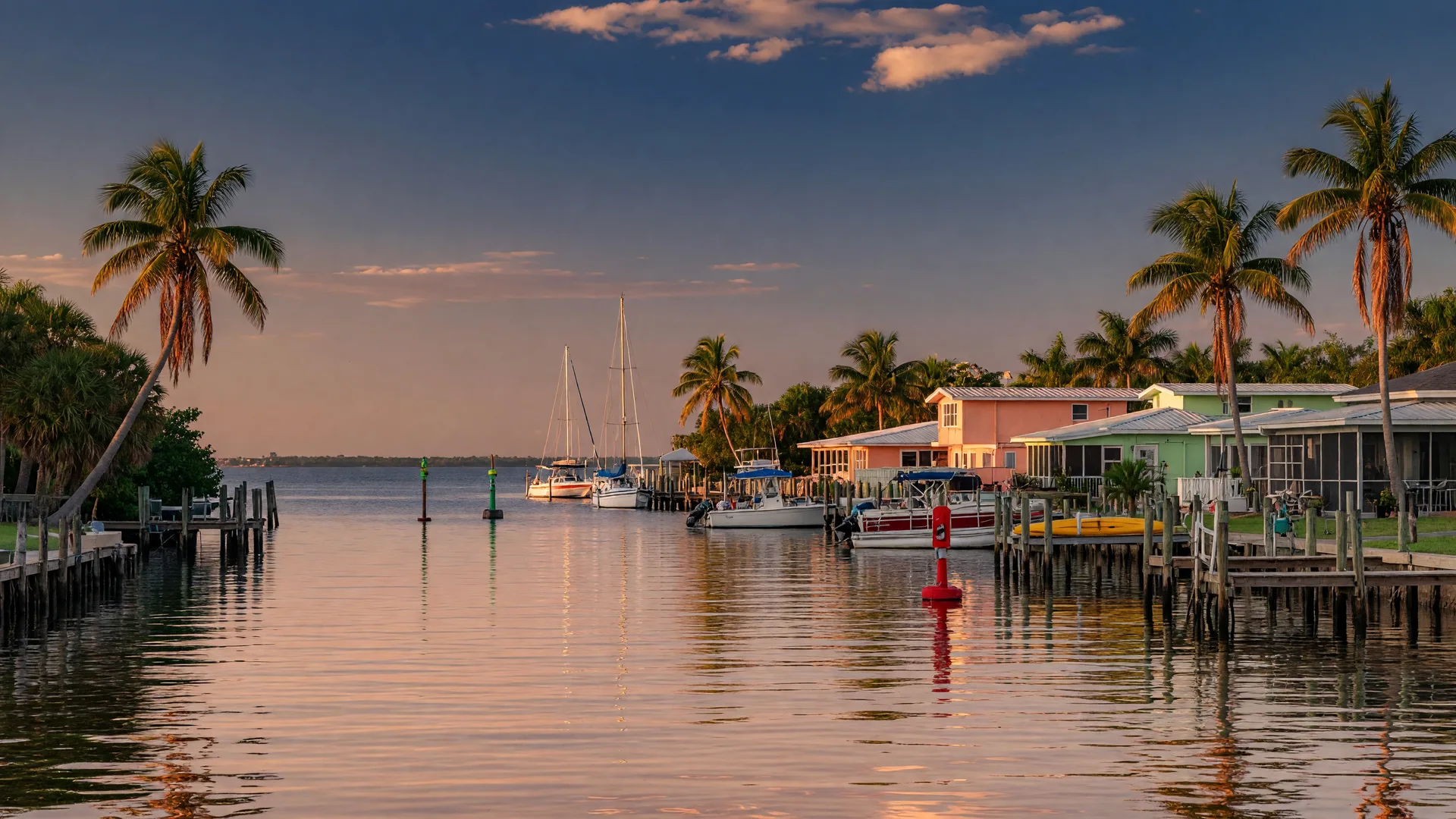
Waterfront and coastal sellers should also locate their flood elevation certificate and any flood insurance claims records, because the flood disclosure you complete at contract asks directly about past damage and claims. Having the documentation ready makes those answers accurate and easy, and it gives buyers confidence in the property's insurance picture.
What Property Records Should You Locate?
This is the category that separates a smooth sale from a stressful one, because buyers, inspectors, and appraisers dig into improvements:
- Permits and inspection sign-offs: Records for any renovations, additions, pools, electrical work, roof replacements, or other improvements. Check the county or municipal permit database, and pull your own copies of approved permits. My article on unpermitted renovations in Palm Beach County covers how permit records work and how to handle gaps.
- Elevation certificate and wind mitigation report: If you have them, these are gold for Florida buyers because insurance companies use them to price wind and flood coverage, especially in coastal and waterfront areas.
- Four-point inspection results: Many insurers require one for older homes covering roof, electrical, plumbing, and HVAC. A recent one from your records can speed up the buyer's insurance process.
- Appliance and system warranties: Keepers such as a new AC, water heater, or roof may carry transferable warranties, and buyers value the paperwork.
- Well and septic documentation: If you are on a private well and septic, gather the well permit, septic records, and any recent inspections, which buyers in the western communities routinely request.
Roof age, AC age, and major system documentation are the items I most often help sellers locate, because they are exactly what a buyer's diligence will ask about next.
How Do You Keep the Documents Organized and Secure?
A single digital folder beats a shoebox every time. Create a folder named by property, with subfolders for Title, Taxes, Insurance, HOA, Permits, Warranties, and Disclosures, then scan or photograph every document and name each file clearly, for example "2021-AC-install-permit.pdf" or "Title-survey-2019.pdf".
Security matters more than convenience: documents like payoff statements contain account and personal information. Share files through your agent's secure portal or your title company's document system instead of emailing copies blindly, and only provide sensitive items when a professional asks for them. Your agent, title company, and attorney all have secure channels for exactly this.
When in the Process Do You Actually Need Each Document?
- Before listing: Deed, tax bill, survey, insurance policies, HOA contact, permits, warranties, and any disclosure documents you know apply. These shape pricing, marketing, and the buyer's first questions.
- At contract: The required disclosures, including the flood disclosure and the pre-1978 lead-based paint disclosure if it applies, are completed and signed.
- During due diligence: HOA and condo documents flow from the association, well and septic records are shared for inspection, and any additional insurance documents the buyer requests are provided.
- At closing: The mortgage payoff information goes to the title company, the estoppel certificate is finalized, and the title search confirms everything lines up.
The practical takeaway: nearly every seller has some gap, and nearly every gap has a solution. The seller who starts gathering early is the seller who closes on time. If you are preparing to list a home anywhere in Palm Beach County, from a Wellington equestrian estate to a West Palm Beach home, call me at (561) 236-9772 or email rtownsendrealestate@gmail.com. I will walk you through the exact checklist for your property and answer every question along the way.
New to the seller side entirely? My Palm Beach County selling guide covers the full path from valuation to closing, and my cost of selling guide shows the complete picture of what to budget.
Ready to Talk About Selling Your Home?
Knowing exactly what paperwork you need, and when, takes the stress out of the seller side of the transaction. Tell me where you are in the process, and I can walk you through the documents, disclosures, and timeline for your specific property in Palm Beach County.
Rhonda Townsend, REALTOR® · A.I. Certified Agent™ · 1st Real Estate Solution Inc.
(561) 236-9772 ·
rtownsendrealestate@gmail.com
Frequently Asked Questions
Sources
Sources referenced in this article:
- • Florida Senate — Section 689.302, Florida Statutes (Flood Disclosure)
- • Florida Realtors — New Florida Flood Disclosure Requirements
- • U.S. Environmental Protection Agency — Lead-Based Paint Disclosure Rule
- • Palm Beach County Property Appraiser — Property Records and Tax Information
Disclaimer: This article is provided for general educational and real estate information only. It is not legal, tax, financial, insurance, environmental, engineering, or property-inspection advice. Real estate requirements, costs, risks, policies, and market conditions vary by property and may change. Consult qualified professionals regarding your individual circumstances.