Key Takeaways
- The home inspection protects you from unexpected defects, while the appraisal protects the lender from over-lending. Both matter, but they answer different questions about the same home.
- In a typical Palm Beach County purchase, the inspection runs first and the appraisal follows once the big inspection items are resolved or negotiated.
- Inspection findings are a negotiation tool, not a reason to walk away. Many issues are minor, and most sales move forward after repairs, credits, or a price adjustment.
- If the appraisal comes in below the contract price, you have options: renegotiate, request a reconsideration of value, cover the gap, or walk away within your financing contingency.
- A buyer agent who knows the local market helps you weigh every inspection and appraisal result against the contract terms and your timeline.
In a Palm Beach County home purchase, the inspection protects you from unexpected defects and the appraisal protects the lender from over-lending, and buyers pay for both during the due diligence period. Understanding how the home inspection and appraisal interact, and what each one can and cannot do, keeps the process smooth and helps you negotiate from a position of knowledge.
I'm Rhonda Townsend with 1st Real Estate Solution Inc., and I help buyers throughout West Palm Beach, Wellington, Lake Clarke Shores, and surrounding communities move from offer to closing with clear expectations. This guide walks through the inspection and appraisal process in the order you will actually experience it.
Why Do Buyers Order Both an Inspection and an Appraisal in Palm Beach County?
Because they answer two entirely different questions about the same home. The inspection asks, "Is this house in good condition, and what needs attention?" The appraisal asks, "Is this house worth what the buyer agreed to pay?" Both are routine in a financed transaction, and both protect someone with real money at stake.
What does the home inspection cover?
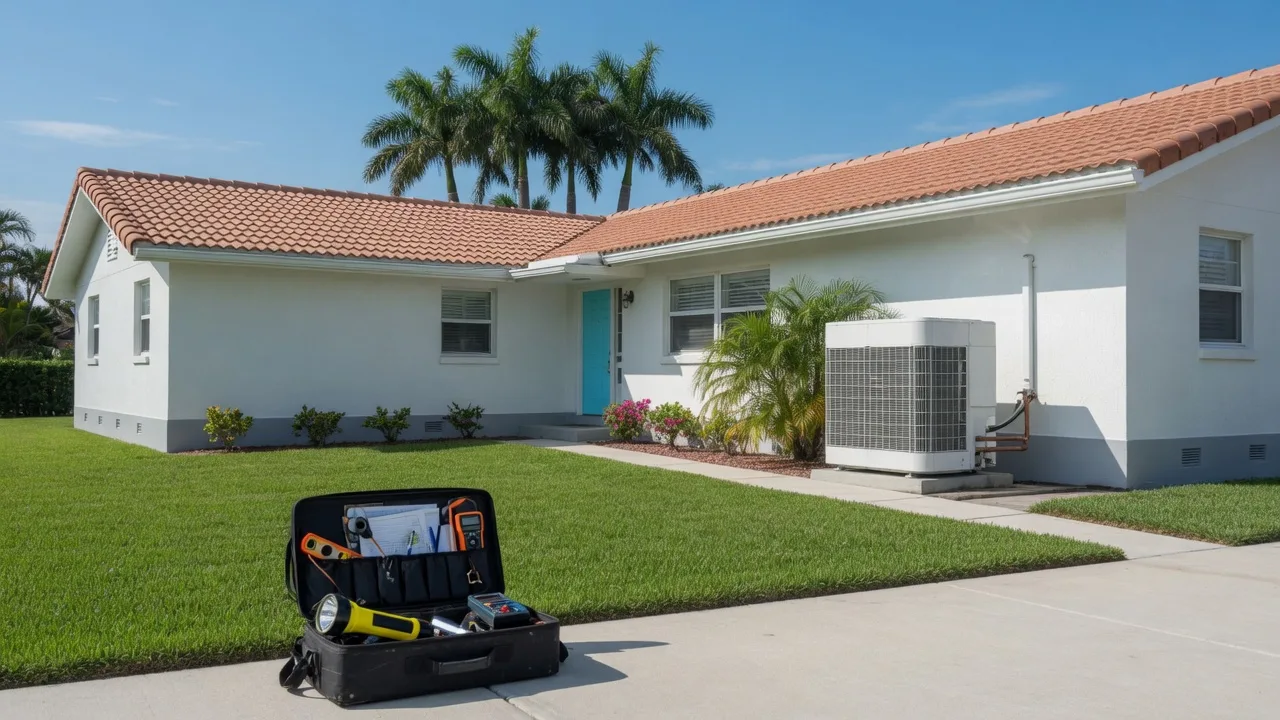
A licensed inspector evaluates the property's visible condition: the roof, structure, HVAC, plumbing, electrical system, windows, doors, and major appliances. In Florida, many buyers also order a separate wind mitigation report and, for older homes, a four-point inspection, because insurance companies use those to price wind coverage. None of these are pass or fail. They are information.
What does the appraisal cover?
The appraiser determines market value by comparing your home to recent sales of similar properties, then confirms the home's size, condition, and features match the contract. The lender uses the appraised value to decide how much it will lend. If the home appraises at or above the contract price, financing proceeds normally. If it appraises lower, you have a decision to make.
For a deeper look at the appraisal side alone, my guide to home appraisals for Palm Beach County buyers covers what appraisers consider and how to read the report.
How Are the Inspection and Appraisal Different?
- Who orders it: You choose and hire the inspector. Your lender orders the appraisal through an independent appraisal management company.
- Who it protects: The inspection protects you. The appraisal protects the lender, though it also confirms you are not overpaying.
- What it reports: The inspection reports condition and maintenance needs. The appraisal reports market value based on comparable sales.
- What can happen next: Inspection findings lead to repair requests, credits, or price adjustments. A low appraisal leads to price negotiation, a reconsideration of value, or a gap you cover in cash.
Both reports can influence your decision to move forward, but they influence it in different ways. That is why it helps to see them as two separate checkpoints, not one combined event.
How Do Both Fit Into Your Contract Timeline?
Most Florida purchase contracts give the buyer a defined due diligence window, often tied to an inspection period and a separate financing period. Inside that window, the sequence usually looks like this:
- Offer accepted. Earnest money is deposited and contract dates are set.
- Inspection period. You schedule the general inspection, plus any wind mitigation or specialized reports, within the first week or two.
- Negotiation. You and the seller agree on repairs, credits, or a price change, often through an addendum to the contract.
- Appraisal. Your lender orders the appraisal, typically after the inspection items are resolved, so the value opinion reflects the final condition of the home.
- Financing and closing. Once the appraisal clears, the lender finalizes underwriting and you move toward closing.
Running the inspection before the appraisal is the norm, because sellers do not want to renegotiate price over a leaky faucet after they have already agreed to a repair credit. The order also protects you: you know what condition costs are coming before the value is locked in. For how the windows and deadlines work in your specific contract, my article on real estate contingencies in Palm Beach County explains each clause in plain language.
How Do You Choose a Home Inspector in Palm Beach County?
Your inspector works for you, not for the lender or the seller, so it is worth choosing carefully. Start by verifying the license through the Florida Department of Business and Professional Regulation, then ask a few practical questions before you book:
- What does the standard inspection include? A general inspection covers the visible condition of the structure and major systems. Find out exactly what the inspector walks through so you are not surprised by the scope later.
- Do they offer Florida-specific add-ons? Wind mitigation reports, four-point inspections, and wood-destroying-organism (WDO) reports are common in our market, and many inspectors bundle them with the general inspection for one visit.
- When will you get the report? Most inspectors deliver a detailed report within 24 to 48 hours, which matters when your inspection window is only a week or two long.
- Do they encourage you to attend? Inspectors who welcome you on site are usually the ones who will teach you the most about your new home.
Scheduling early matters more than people expect. Good inspectors book out days in advance, especially during the busier fall and winter months, so confirm the inspection date as soon as your offer is accepted.
What Happens When the Inspection Finds Issues?
Almost every inspection finds something, and that is by design. An inspector's job is to note what they see, from a dated water heater to a minor roof patch, so you can make an informed decision. The report is a negotiation tool, not a verdict on the deal.
Your choices after the report come in a few forms:
- Ask the seller to repair specific items. Most contracts allow repair requests for items that affect safety, structure, or systems.
- Negotiate a credit. You take the home as-is and the seller credits you at closing, which lets you manage the repair yourself.
- Adjust the price. Both sides agree the value reflects the condition and reset the price accordingly.
- Walk away. If the issues are beyond what you want to take on, your inspection contingency lets you exit within the contract window.
The key is perspective. A long list of small maintenance items is normal in Florida, where heat and humidity age roofs and AC units faster than in cooler climates. Your agent helps you separate genuine red flags, like structural or moisture issues, from ordinary upkeep that every home carries.
Two add-on reports deserve a mention because they come up often here. A wood-destroying-organism report documents any termite or wood-damage findings, which lenders and buyers in Florida routinely review. And if the home has a pool, a separate pool and spa inspection checks the pump, heater, filter, and tile or liner condition beyond what a general inspection covers. My buying a home with a pool article walks through the full pool-related checklist if that describes your search.
What Happens When the Appraisal Comes in Low?
A low appraisal is one of the most stressful moments in a purchase, but it is also one of the most solvable. The lender will only lend against the appraised value, so the gap between appraised value and contract price has to be filled somewhere:
- Renegotiate the price down to the appraised value, which is the most common outcome when the gap is modest.
- Request a reconsideration of value. Your agent can supply additional comparable sales the appraiser may have missed, and lenders will often review them.
- Cover the gap in cash. You increase your down payment so the loan amount still works. This only makes sense if you have room in your budget.
- Meet in the middle, with the seller lowering the price and you covering the rest.
- Walk away within your financing contingency if no agreement works for you.
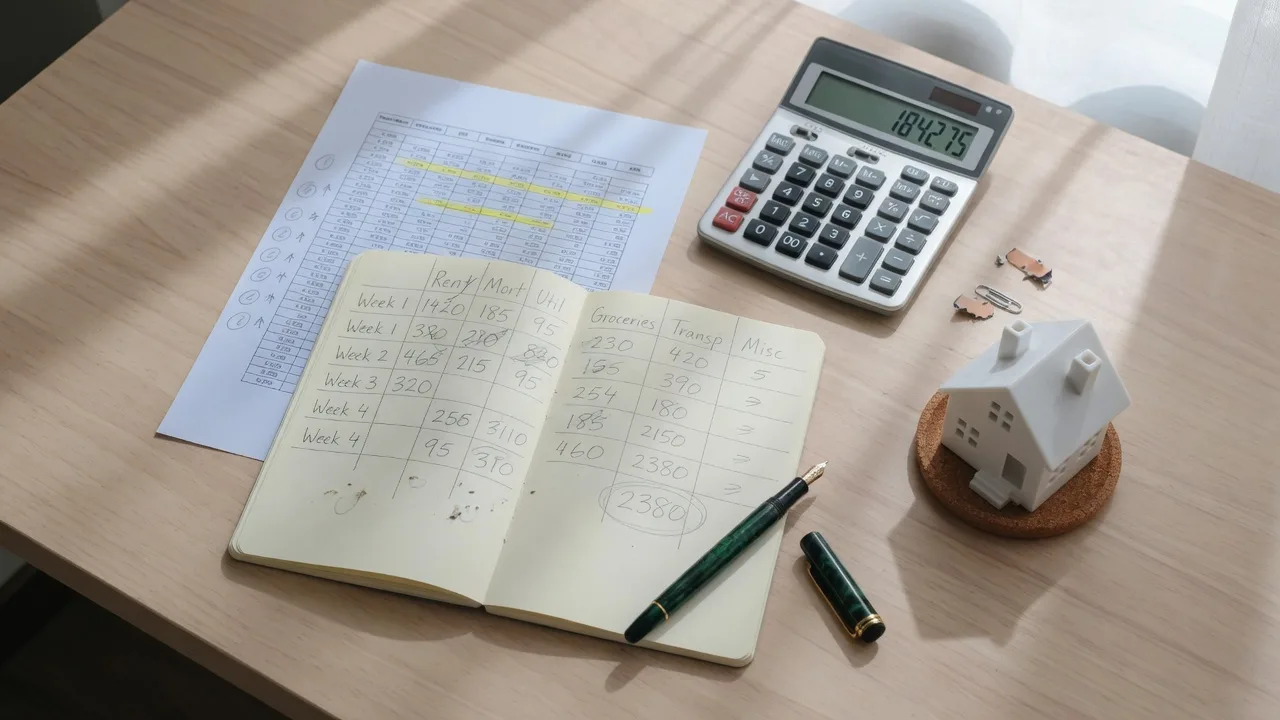
The affordable-home calculation that got you here matters more than any single report. My how much home can I afford guide walks through the budget math so you know your room to negotiate before the appraisal conversation starts.
What Do They Cost and How Can You Prepare?
You typically pay the inspection fee directly to the inspector when the report is delivered, and the appraisal fee appears on your Loan Estimate from the lender. Inspection fees vary with the size and type of home, and specialized reports like wind mitigation add separate line items. The Consumer Financial Protection Bureau's Owning a Home toolkit is a reliable reference for what belongs on your Loan Estimate and what to question before closing.
A few things you can do to make both steps go smoothly:
- Verify your inspector's license through the Florida Department of Business and Professional Regulation before you book. Florida licenses many home inspection professions, and a quick check takes seconds.
- Attend the inspection and bring a notepad. You will learn more in two hours than from any report.
- Keep utilities connected and clear access to the attic, panel, and AC equipment so nothing is skipped.
- Ask your lender for a timeline on the appraisal so you are never waiting on an unknown date.
One more step belongs on your calendar: the final walkthrough, usually a day or two before closing. This is when you confirm that agreed repairs were completed and that the home is in the expected condition. Bring your inspection report and the repair addendum so you can check off each item. If something was not done, flag it before you sign rather than after, because your options narrow dramatically once you have the keys.
And if you are just starting your search, the Palm Beach County buying guide lays out the full path from pre-approval to closing, with the inspection and appraisal steps in context.
If you would like to talk through what to expect on a specific home or neighborhood, such as waterfront and downtown options in West Palm Beach or anywhere else in the county, call me at (561) 236-9772 or email rtownsendrealestate@gmail.com. I am happy to walk you through the process before you make an offer.
Have Questions About Inspections or Appraisals?
Understanding the inspection and appraisal process before you write an offer makes the whole transaction calmer. I can help you build a realistic timeline, review reports, and negotiate with confidence.
Rhonda Townsend, REALTOR® · A.I. Certified Agent™ · 1st Real Estate Solution Inc.
(561) 236-9772 ·
rtownsendrealestate@gmail.com
Frequently Asked Questions
Sources
Sources referenced in this article:
- • Consumer Financial Protection Bureau — Owning a Home toolkit
- • Florida Department of Business and Professional Regulation — Verify a licensed home inspector
- • Florida Realtors — Florida real estate resources
Disclaimer: This article is provided for general educational and real estate information only. It is not legal, tax, financial, insurance, environmental, engineering, or property-inspection advice. Real estate requirements, costs, risks, policies, and market conditions vary by property and may change. Consult qualified professionals regarding your individual circumstances.