Key Takeaways
- Palm Beach County sits on the Great Florida Birding Trail, with four major public destinations: Wakodahatchee Wetlands and Green Cay in the south, Grassy Waters Preserve in West Palm Beach, and the 145,000-plus acre Arthur R. Marshall Loxahatchee National Wildlife Refuge.
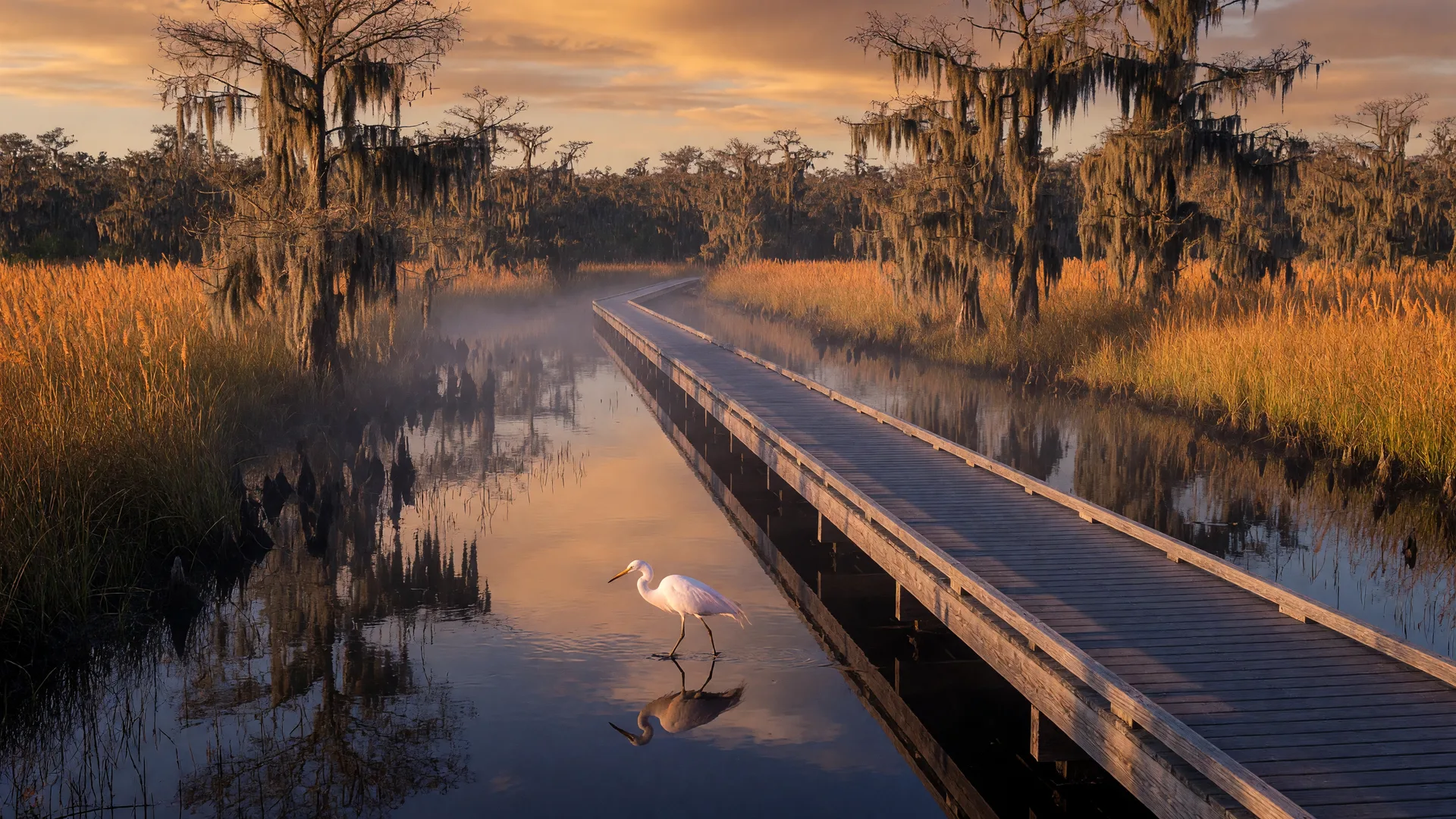
- Two world-class parks are free elevated boardwalks: Wakodahatchee Wetlands offers a 0.75-mile loop where about 178 species have been recorded, and Green Cay Nature Center offers a 1.5-mile boardwalk through 100 acres of wetlands.
- The dry season from roughly November through April concentrates waterbirds and brings wintering migrants, while spring brings nesting wood storks, herons, and egrets to Wakodahatchee.
- Wetlands and preserves shape local real estate too: homes near protected water and open space can offer wildlife views and conservation buffers, along with flood zone and insurance considerations that buyers should verify before making an offer.
Birding in Palm Beach County starts with an easy answer: the county is on the Great Florida Birding Trail, and three of its best public sites are free elevated boardwalks you can walk with a stroller or a camera. Wakodahatchee Wetlands in Delray Beach, Green Cay Nature Center in Boynton Beach, and Grassy Waters Preserve in West Palm Beach each hold hundreds of acres of wetland habitat, while the Arthur R. Marshall Loxahatchee National Wildlife Refuge protects more than 145,000 acres of the northern Everglades. Together they make year-round wildlife viewing a genuinely local activity.
I'm Rhonda Townsend with 1st Real Estate Solution Inc., and over the years I have steered many buyers toward communities based on what they actually love to do: ride horses in Wellington, boat in Jupiter, or walk a boardwalk before dinner. This guide covers the county's best public birding spots and what living near them can mean for your home search.
Why Is Palm Beach County a Birding Destination?
The county sits at a geographic crossroads: the edge of the subtropics, the Intracoastal Waterway, the Lake Worth Lagoon, and the northern tip of the Everglades all meet here. That mix of saltwater, freshwater, and seasonally flooded wetlands supports everything from wading birds to raptors to wintering waterfowl. The county and federal agencies have built on that natural wealth with purpose-built public wetlands that recycle water and create habitat at the same time.
The practical result is that you do not need a boat, a guide, or a long drive to see serious wildlife. Elevated boardwalks put you eye level with the action, and the county residents I know treat these parks almost like backyard amenities.
Wakodahatchee Wetlands: Boardwalk Birding in Delray Beach
Wakodahatchee Wetlands is the showpiece. This roughly 50-acre constructed wetland near Delray Beach recycles treated water from the county's southern wastewater facility, and the partnership between water treatment and wildlife habitat created one of the most productive birding sites in Florida. A 0.75-mile elevated boardwalk loops through open water, marsh, and islands, and about 178 species have been recorded here.
The regulars read like a Florida birding checklist: great and snowy egrets, little blue and tricolored herons, white and glossy ibis, anhingas, purple gallinules, limpkins, and roseate spoonbills. In spring, hundreds of wood storks nest at the wetlands along with herons, egrets, cormorants, and ibis, a spectacle that draws visitors from across the region. It is free, flat, and open year-round, which is why it is my first recommendation for anyone new to the hobby.
Green Cay Nature Center: A Longer Boardwalk in Boynton Beach
About twenty minutes north, Green Cay Nature Center and Wetlands in Boynton Beach is Wakodahatchee's larger sibling: 100 acres of constructed wetlands with a 1.5-mile boardwalk through open water, vegetated wetlands, and mudflats. The longer loop makes it the better choice for a bigger walk, and the nature center on site adds exhibits, restrooms, and a quiet air-conditioned stop on hot days.
Birds at Green Cay include black-bellied whistling ducks, roseate spoonbills, least bitterns, wood storks, yellow-crowned and black-crowned night-herons, purple and common gallinules, glossy ibis, and limpkins, plus seasonal shorebirds on the mudflats. It is also a reliable place to spot turtles, alligators, and otters, which makes it a favorite of photographers and families alike.
Grassy Waters Preserve: Cypress Swamp Close to West Palm Beach
Grassy Waters Preserve in the northwestern part of West Palm Beach is a different kind of place: a roughly 15,000-acre Everglades-style wetland that serves as the city's drinking water catchment. A boardwalk at the main entrance on Northlake Boulevard leads into cypress swamp, and the preserve offers miles of trails plus guided swamp tromps and canoe and kayak trips for those who want to go deeper.
The birds here lean wilder: snail kites, glossy and white ibis, limpkins, nesting bald eagles, great horned owls, red-shouldered hawks, roseate spoonbills, great blue herons, and anhingas, with migrating warblers passing through in season. Because it is a water-supply area, visitors stay on designated trails and dogs are not permitted, and the staff run a robust schedule of free and low-cost programs. For a neighborhood guide to the city it anchors, see my West Palm Beach community page and my guide to parks and waterfront trails in West Palm Beach.
Arthur R. Marshall Loxahatchee National Wildlife Refuge
For the full Everglades experience, the Arthur R. Marshall Loxahatchee National Wildlife Refuge protects more than 145,000 acres of northern Everglades habitat west of Boynton Beach, and more than 250 bird species have been recorded there over time. The refuge visitor center and boardwalk sit off U.S. 441, with a cypress boardwalk, a canoe and kayak trail through the marsh, and a lengthy wildlife drive through pine flatwoods.
Expect pileated woodpeckers, great and little blue herons, great egrets, white ibis, common and purple gallinules, and seasonal songbirds, with alligators and white-tailed deer common along the trails. It is managed by the U.S. Fish and Wildlife Service, so check the refuge's current hours, programs, and any entrance requirements before you go. The preserve is one more reason rural western communities like Loxahatchee and The Acreage appeal to buyers who want open space at the door.
When Is the Best Time of Year for Birding?
Birding in Palm Beach County is a year-round activity, but the calendar changes what you see. Early morning is the most active time at every site, and late afternoon is strong on cooler days. The dry season, roughly November through April, concentrates waterbirds around open water and brings wintering ducks and warblers; spring brings the nesting colonies at Wakodahatchee and Green Cay; and summer, while quieter, rewards early risers and storm-chasers alike.
For photographers, the light at Wakodahatchee and Green Cay is best in the first hour after sunrise, when the birds are feeding actively and the boardwalks are quietest. The parks get busiest on cool-weather weekends, so weekday mornings are the calmest. If you are visiting with people who are not birders, start with Green Cay's nature center and the shorter Wakodahatchee loop, because both let everyone enjoy the wildlife without committing to a long trail.
A few practical notes for first-timers: bring water, sunscreen, and insect repellent, leave dogs at home (they are not permitted on the boardwalks), and bring binoculars if you have them. Birding itself requires no license at public parks; only fishing requires a Florida fishing license.
Which Other Parks Are Worth a Look?
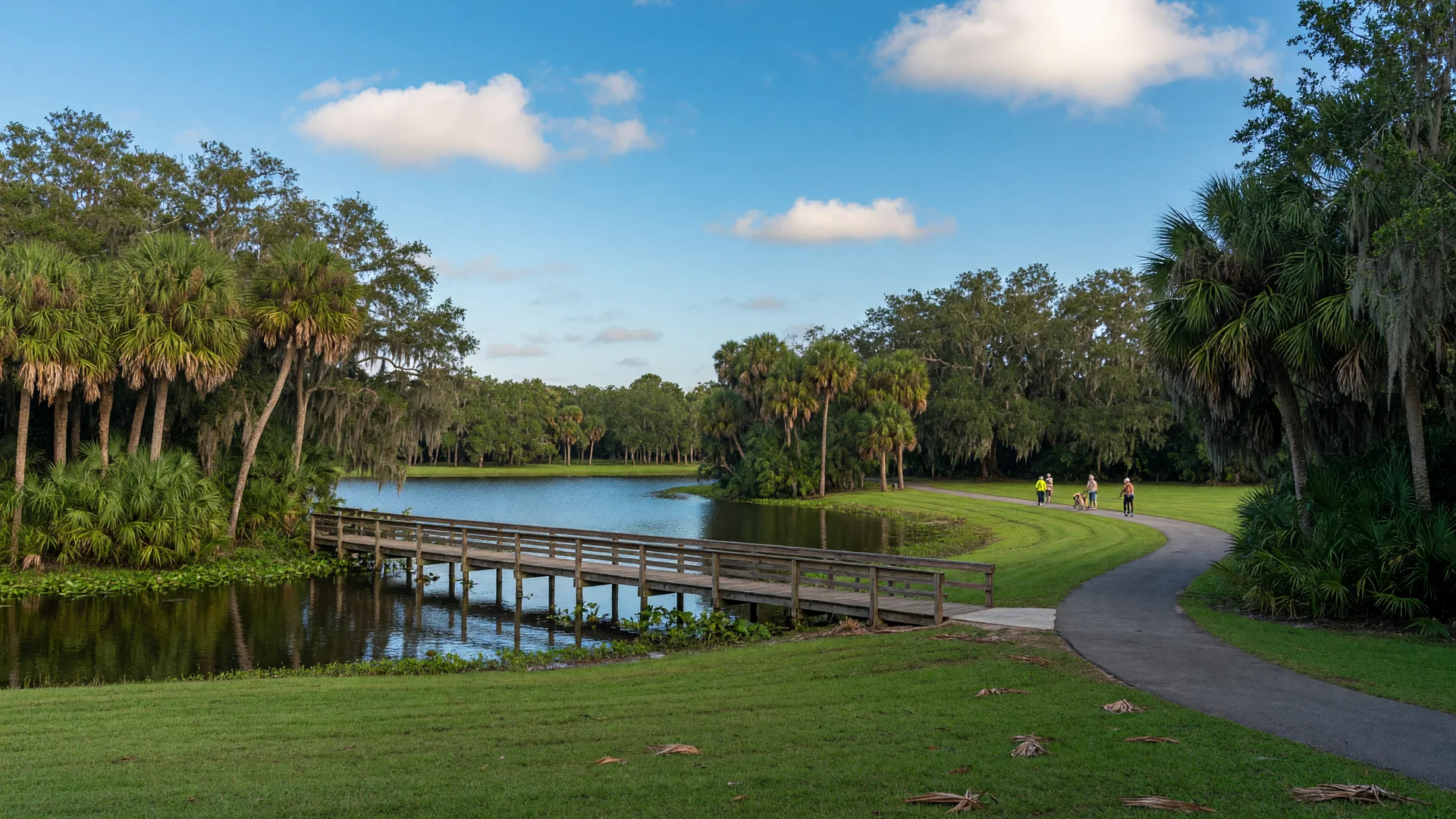
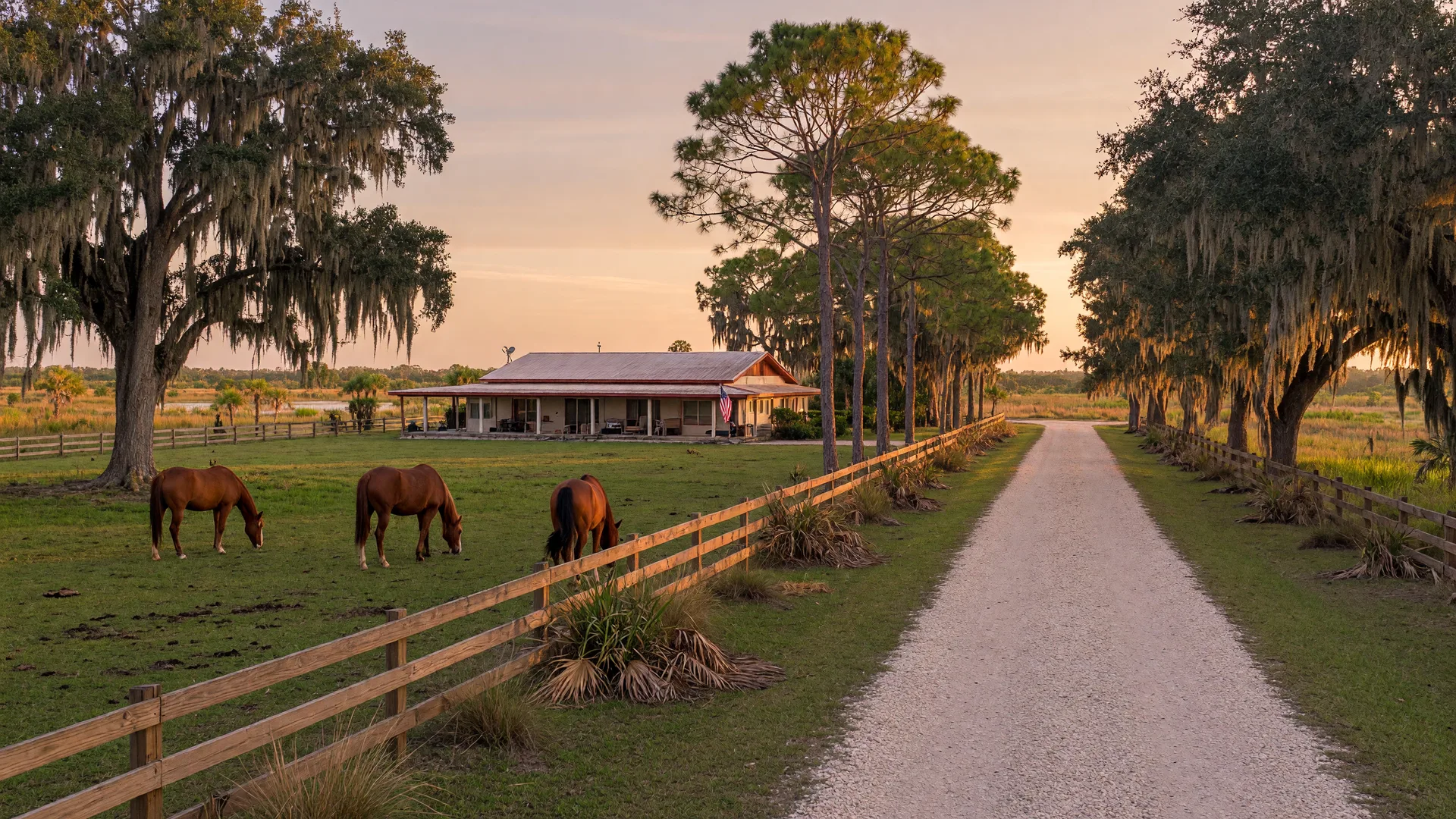
If you have covered the big four, several other public lands deliver quiet wildlife time. John D. MacArthur Beach State Park in North Palm Beach sits on the Lake Worth Lagoon with nature trails that wind through coastal hammock to the beach, a reliable spot for wading birds and shorebirds along the water's edge. Okeeheelee Park in West Palm Beach combines golf and boating with lake habitat and pine flatwoods where you can catch osprey, herons, and seasonal migrants without leaving the city. And throughout the western communities, the roadside canals and ranchland that define places like Loxahatchee and The Acreage attract the same herons and ibis you watch on the boardwalks, just with more privacy and a lot more sky.
Working through the full list, it is easy to see why outdoor life in Palm Beach County does not require a destination vacation. You can walk one of these trails on a Saturday morning and be home in time for lunch, which is a genuinely nice feature to write into your community comparison.
How Does the Natural Setting Shape Where You Live?
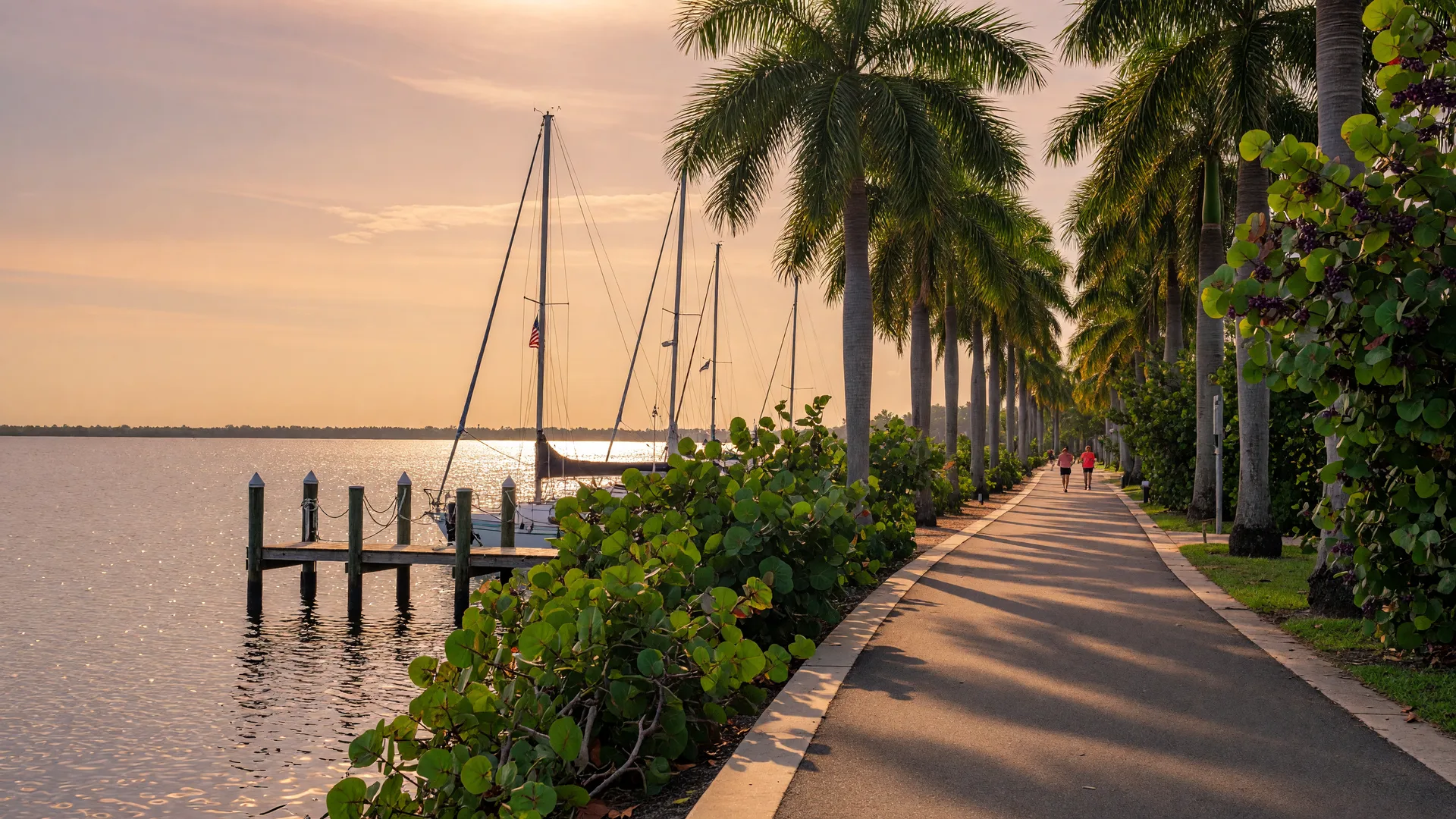
For buyers, the presence of wetlands, preserves, and waterways is part of the lifestyle math, and it cuts both ways. A home near protected open space can mean daily wildlife views, quiet neighbors, and a conservation buffer that no one will build out. Homes along canals and lakes in places like Lake Clarke Shores or water-oriented communities often pair those views with boating access.
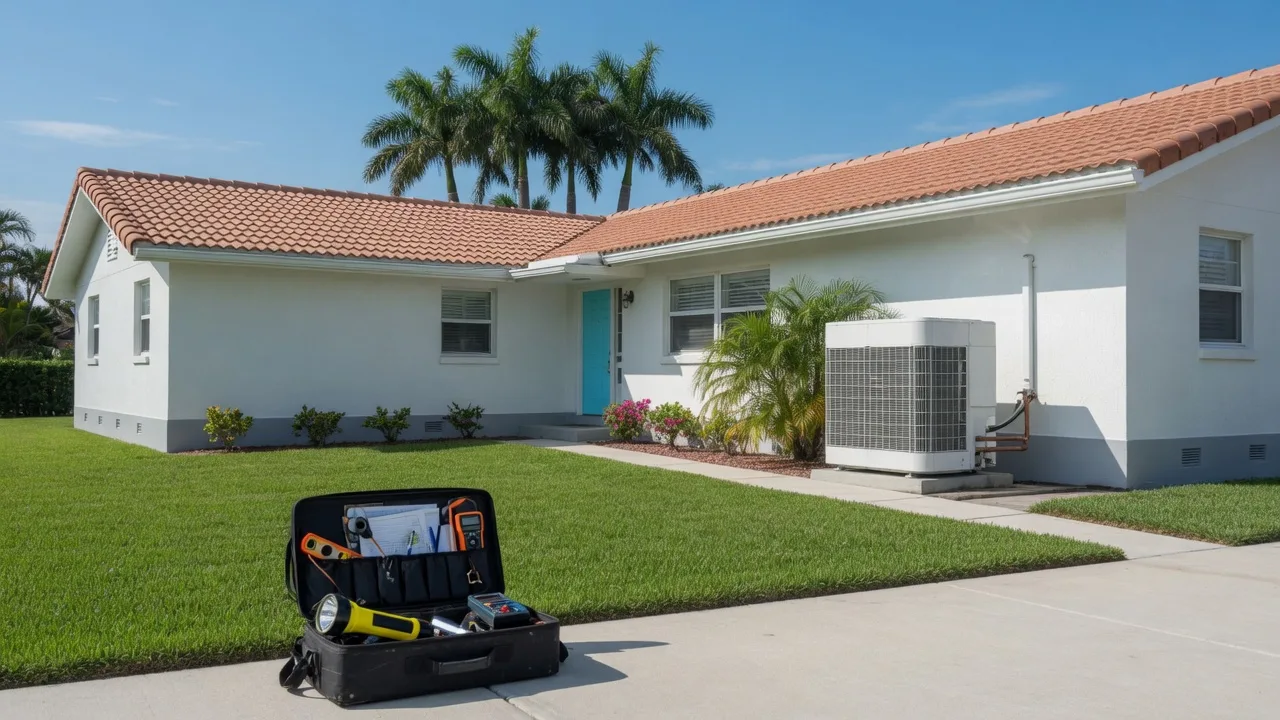
The other side of that coin is practical, and it is the same list I check on every water-adjacent property: the FEMA flood zone designation and what it means for insurance, any buildable area or setback rules on the lot, and whether the adjacent land is permanently protected or zoned for something else. Those are all objective, verifiable facts, and they belong on your due diligence list before you make an offer, alongside the same flood zone and insurance questions every Palm Beach County buyer should ask.
If the idea of weekend boardwalks, local refuges, and open water appeals to you, the first step is deciding which community fits the rest of your life too. Tell me what you enjoy doing outdoors, and I can help you compare communities across Palm Beach County, from a Wellington acreage to a Palm Beach Gardens home near the water. Call me at (561) 236-9772 or email me at rtownsend@remax.net, and we can plan your first tour around the parks you will actually use.
Discover the Community That Fits Your Lifestyle
Whether you want to live a short drive from a famous boardwalk or minutes from a national wildlife refuge, the right community is the one that matches how you actually spend your weekends. Tell me what you love to do outdoors, and I can point you to the Palm Beach County neighborhoods worth touring.
Rhonda Townsend, REALTOR® · A.I. Certified Agent™ · 1st Real Estate Solution Inc.
(561) 236-9772 ·
rtownsendrealestate@gmail.com
Frequently Asked Questions
Sources
Sources referenced in this article:
- • U.S. Fish and Wildlife Service — Arthur R. Marshall Loxahatchee National Wildlife Refuge
- • The Great Florida Birding and Wildlife Trail — Wakodahatchee Wetlands site profile
- • The Great Florida Birding and Wildlife Trail — Grassy Waters Preserve site profile
Disclaimer: This article is provided for general educational and real estate information only. It is not legal, tax, financial, insurance, environmental, engineering, or property-inspection advice. Real estate requirements, costs, risks, policies, and market conditions vary by property and may change. Consult qualified professionals regarding your individual circumstances.