Key Takeaways
- Condos and villas give downsizers low-maintenance living: exterior upkeep and common areas are typically handled for you.
- A villa is usually a single-level attached home, while a condo is a unit within a larger building or complex. Ownership and insurance work differently for each.
- Budget for the full monthly picture: mortgage, HOA or condo fees, property insurance, and the costs you no longer pay as a single-family owner.
- Before you buy, review the association documents, reserve funds, and any rental restrictions so there are no surprises later.
- Financing a condo can come with extra requirements, including owner-occupancy ratios, so get pre-approved and share the details with your lender.
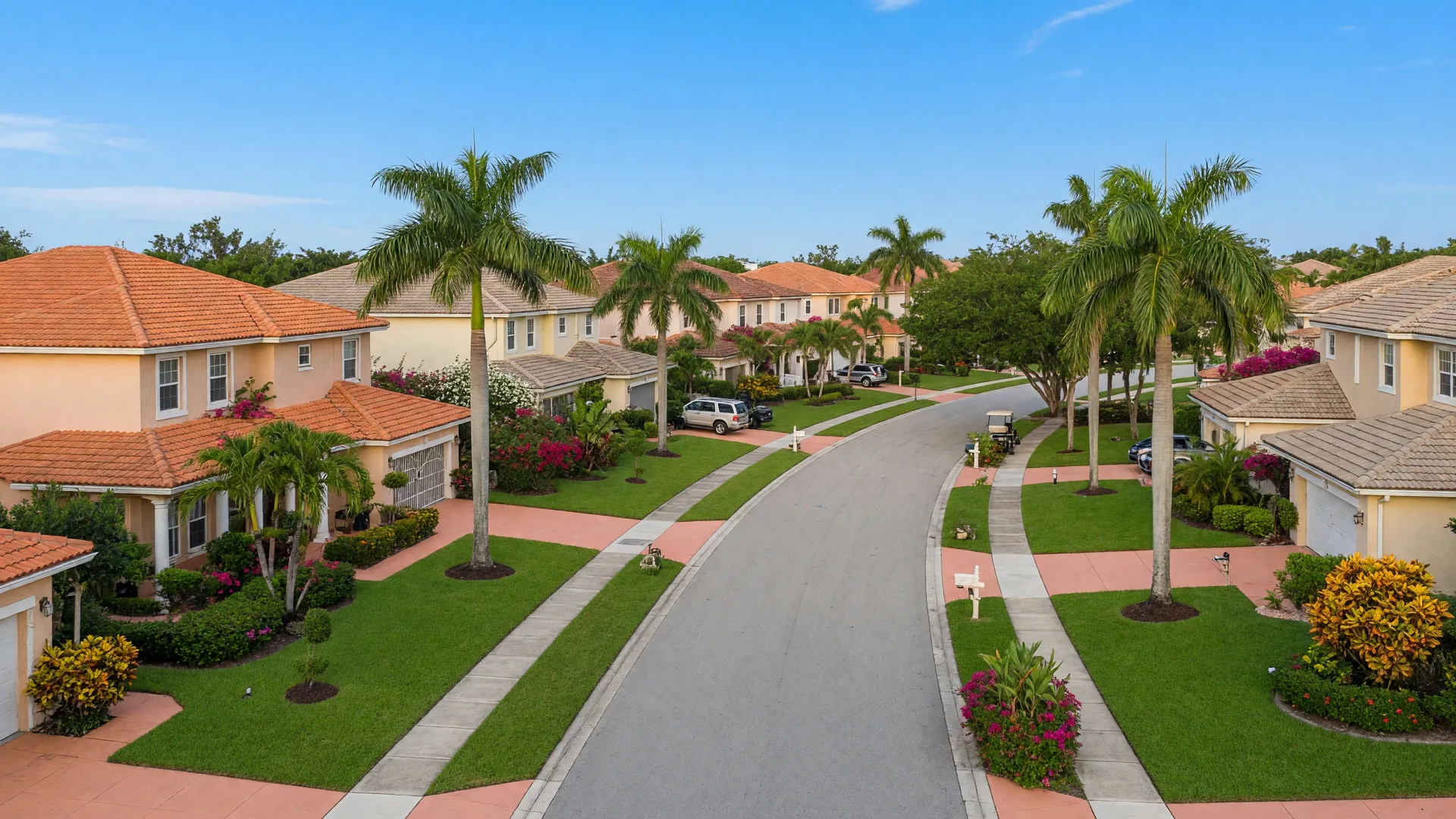
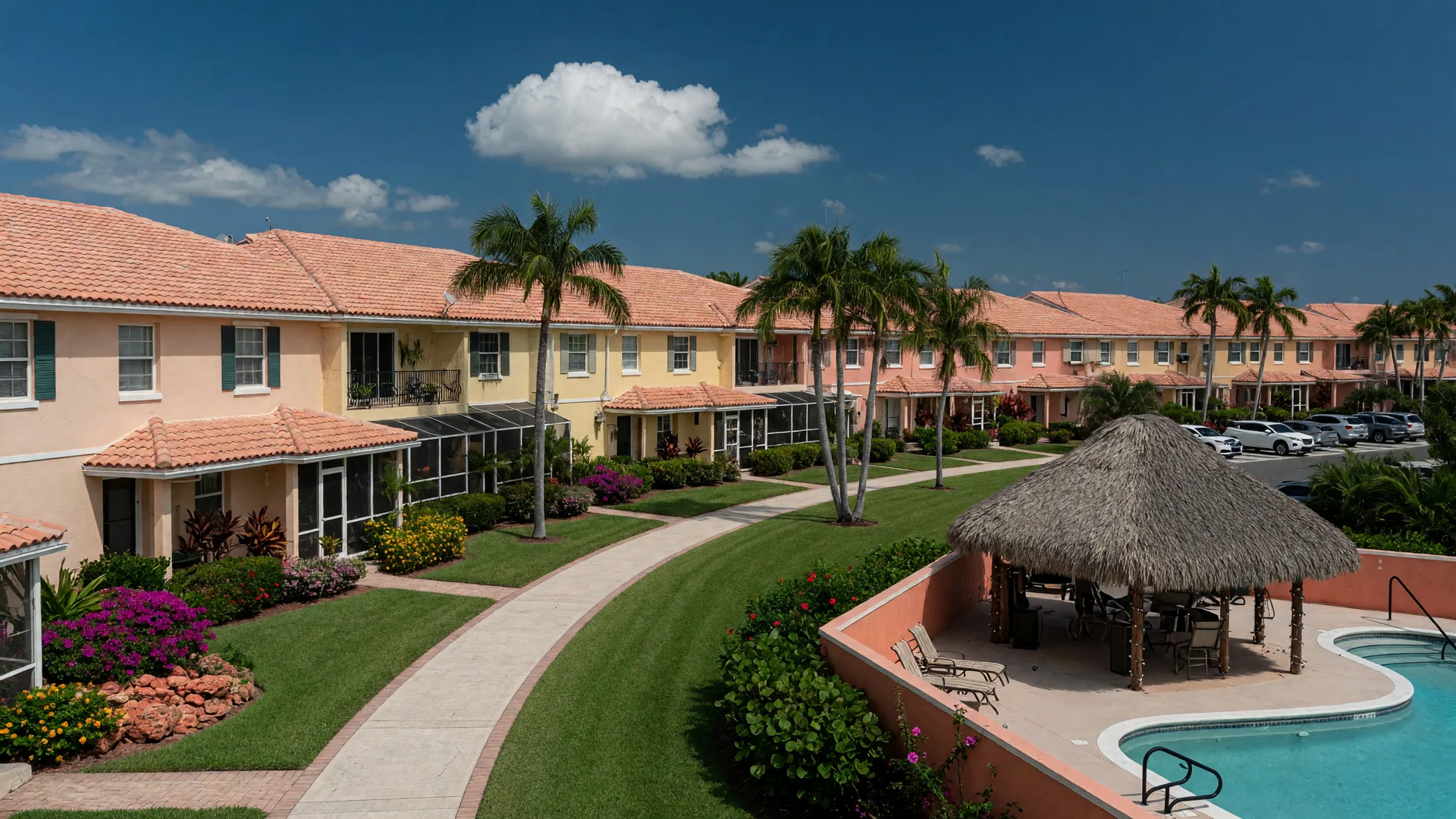
Downsizing to a condo or villa in Palm Beach County is one of the most popular ways people simplify their lives, and it is easy to see why. Exterior maintenance is handled for you, floor plans are smaller, and communities across West Palm Beach, Wellington, and Lake Worth offer exactly this kind of low-maintenance living. Here is a practical comparison to help you decide which fits your goals.
I'm Rhonda Townsend with 1st Real Estate Solution Inc., and I have guided many clients through the downsizing process here in Palm Beach County. A condo or villa can be a wonderful next step, and the key is understanding how they differ, what they cost, and what to review before you buy.
This guide compares condos and villas, walks through the monthly costs, and gives you a checklist to use as you tour properties.
Why Do So Many Downsizers Choose a Condo or Villa?
For most people who downsize, the appeal is freedom from maintenance. When you sell a large single-family home, you often trade a long list of chores for a community that handles the exterior. Landscaping, exterior painting, roof care, and common areas are usually covered by the association fee.
A condo or villa also tends to mean a smaller footprint, less to clean, lower utility bills, and often access to amenities like a pool, fitness room, or clubhouse without the responsibility of maintaining them. For people who want to travel, enjoy hobbies, or simply spend less time on upkeep, that trade is very attractive.
My step-by-step downsizing plan covers the emotional and practical side of the whole process. This guide focuses on the specific choice between a condo and a villa.
What Is the Difference Between a Condo and a Villa?
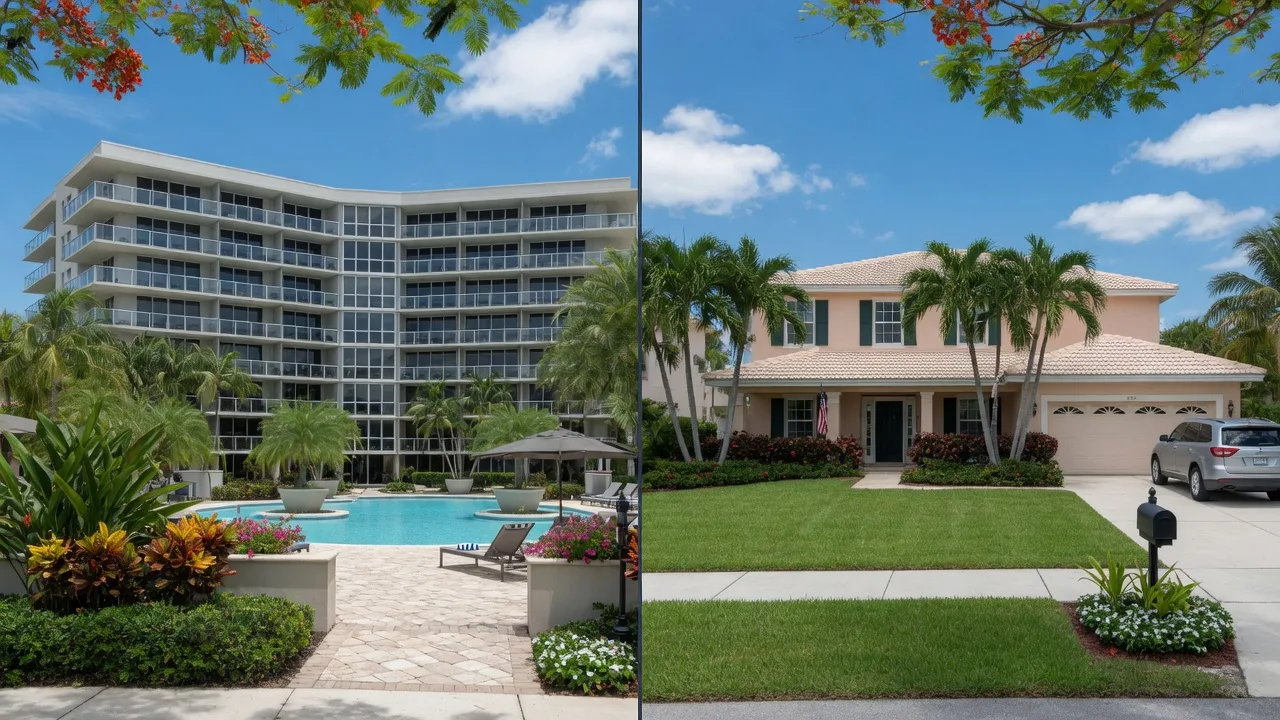
In everyday Florida terms, the distinction is mostly about the building form. A villa is usually a single-story attached home with its own ground-level entrance and often its own small yard. A condo is a unit within a larger building or complex, where you share walls, roofs, and common spaces with neighbors.
Because the form differs, ownership and insurance differ too:
- Villa: You typically own the interior plus some of the structure around it, and you carry insurance that reflects that ownership. You may have a little more responsibility for the building envelope.
- Condo: The association usually insures and maintains the building structure and common areas, while you insure the interior. Your responsibility is generally more limited.
Both are governed by an association with monthly fees and rules, so in practice the day-to-day experience can be similar. The right choice depends on the layout you want, the community, and how much responsibility you want to keep.
What Should You Budget for Monthly Costs?
When you downsize, your monthly picture changes. You may pay a smaller mortgage, but you add an association fee. It helps to write out the full list before you shop:
- Mortgage payment on the new home.
- Property taxes, which may be reduced by Florida's homestead exemption on your primary residence.
- Homeowners insurance for the unit or villa, plus any condo association master policy costs built into your fee.
- Association fee, covering exterior maintenance, common areas, amenities, and shared reserves.
- Utilities, which are usually lower in a smaller home.
Ask the association for the current fee, what it covers, and whether any special assessments are planned. The Community Associations Institute has useful background on how association finances work, and the Florida Department of Revenue explains the homestead exemption that can lower your property taxes.
How Do You Choose the Right Size and Layout?
The size that works for you depends on how you live, not just how many rooms you want. Many downsizers look for a single-level floor plan, a primary suite with an accessible layout, and a guest space for visitors. Think about what you actually use: how many people stay over, how much storage you need, and whether you want a den, a garage, or a screened lanai.
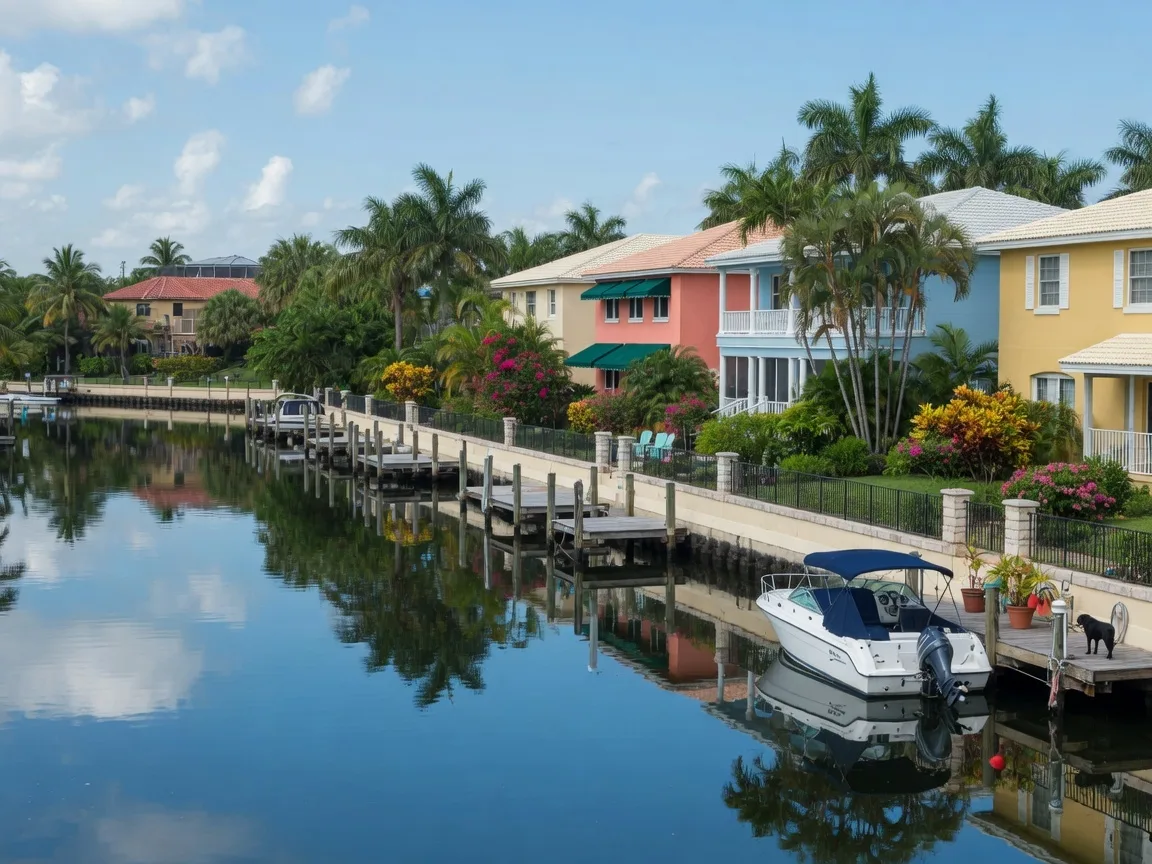
Communities across Palm Beach County offer these options at different price points. Wellington and Royal Palm Beach have villa communities with open, single-level plans. West Palm Beach and Lake Worth offer condos closer to downtown and the water. My Wellington community guide, the condo versus single-family comparison, and my condo versus townhome versus villa comparison can help you compare neighborhoods as you narrow your list.
How Is Buying a Condo or Villa Different?
Buying a condo or villa comes with a few extra steps compared to a single-family home. The association's governing documents, meeting minutes, and financials are part of your due diligence. You want to know about reserve funds, recent or planned special assessments, and any rules around rentals, pets, and renovations.
Financing can also differ. Lenders review the percentage of owner-occupied units and the building's overall condition for condos, and some programs have specific requirements. Getting pre-approved early and telling your lender you are looking at condos will save you time. If you are also selling your current home, my guide to selling and buying at the same time walks through coordinating both closings.
The Florida Department of Business and Professional Regulation oversees condominium and community associations in the state, and its resources are a good place to learn how associations are regulated.
Your Downsizing to a Condo or Villa Checklist
Your Palm Beach County Condo or Villa Checklist
- Define your priorities for the move: maintenance-free living, location, amenities, or budget.
- Compare condos and villas in the communities you like, with a focus on layout and single-level options.
- Get pre-approved and tell your lender you are looking at condos or villas.
- Review the full monthly costs: mortgage, taxes, insurance, association fees, and utilities.
- Read the association documents: rules, reserves, recent minutes, and any planned assessments.
- Ask about insurance for the unit or villa and what the association master policy covers.
- Coordinate your timeline if you are also selling your current home.
Downsizing is a chance to shape how you want to live, and a condo or villa can be a great way to do it. If you would like help comparing communities or reviewing association documents, reach me at (561) 236-9772 or rtownsendrealestate@gmail.com. You do not need to have every detail figured out before we talk.
Considering Downsizing?
We can compare condos, villas, and smaller homes in the communities you like, and create a plan that fits your timeline and your goals.
Rhonda Townsend, REALTOR® · A.I. Certified Agent™ · 1st Real Estate Solution Inc.
(561) 236-9772 ·
rtownsendrealestate@gmail.com
Frequently Asked Questions
Sources
Sources referenced in this article:
- • AARP — Downsizing Tips
- • Florida Department of Revenue — Homestead Exemption
- • Florida Department of Business and Professional Regulation — Division of Florida Condominiums, Timeshares and Mobile Homes
- • Community Associations Institute — Homeowner Association Resources
Disclaimer: This article is provided for general educational and real estate information only. It is not legal, tax, financial, insurance, environmental, engineering, or property-inspection advice. Real estate requirements, costs, risks, policies, and market conditions vary by property and may change. Consult qualified professionals regarding your individual circumstances.